


What some pundits see as “propping up the bond market” are in reality desperate measures to prevent a major U.S. bank crisis.

The French president hopes to prove that Le Pen’s party, despite its growing popularity, is not worthy of power.
The Swedish Riksbank stands out in international comparison—and not to the advantage of the Swedes.

With a mix of consumers and government driving the current economy, the Biden administration may find itself going into the election in a recession.
The Court is inflating the definition of human rights, thereby weakening it.

Police documents show that the 23-year-old climate activist has invented stories of harassment and violence.
Originally, the European Stability Mechanism was set up to help troubled member states with their debt. Now, it wants to branch out—and make more money for itself.

The ones who get to enjoy lower rates are the ones who live on the right side of the euro-zone border. But not in the way we usually think of the euro zone.

Ethiopia must abolish state terrorism and establish law and order.

Since 2004, ten countries in Eastern Europe have proven that EU membership does not guarantee economic success.

I urge Trump to respect the independence of the Federal Reserve. If he does not, as my numbers show, it would mean suicide for the American economy.
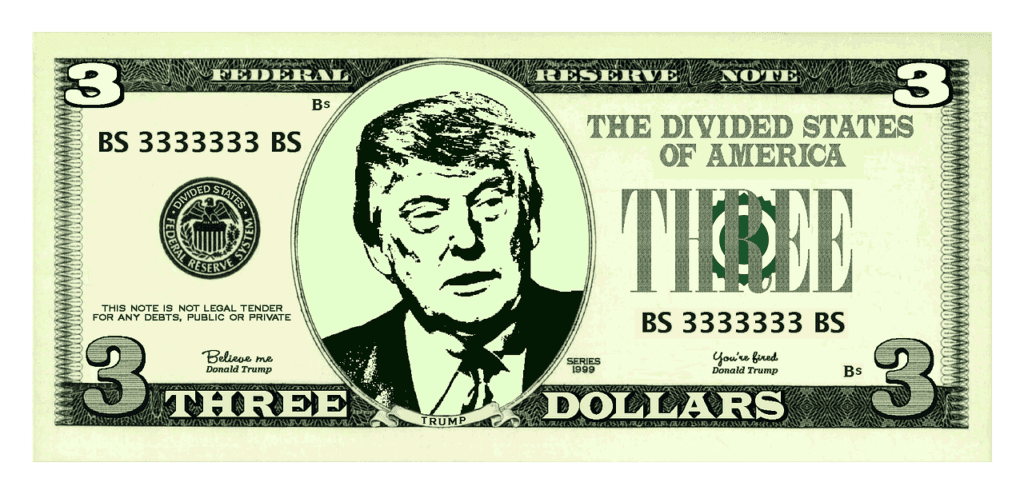
The idea behind ending the independence of the Federal Reserve is brutally simple: deficit monetization.

The independence of the Federal Reserve is as essential as the independence of the U.S. Supreme Court.
At the start of 2024, there was a trend break on the market for sovereign debt that suggests investors may be asking a risk premium to buy U.S. government debt.
Joe Biden wants the ‘rich’ to pay their ‘fair share,’ but he never defines what the ‘fair share’ means. There is an ominous reason for that.
Bulgaria is on the cusp of joining the euro but has not yet set a firm accession date. They would be wise in waiting to give up their own currency.

At the very least, the ECR and ID groups will need to work more closely together to counter the “federalist” forces in the European Parliament.
If this odd change in the yield curve continues, it will turn into an open vote of no confidence in U.S. government debt.
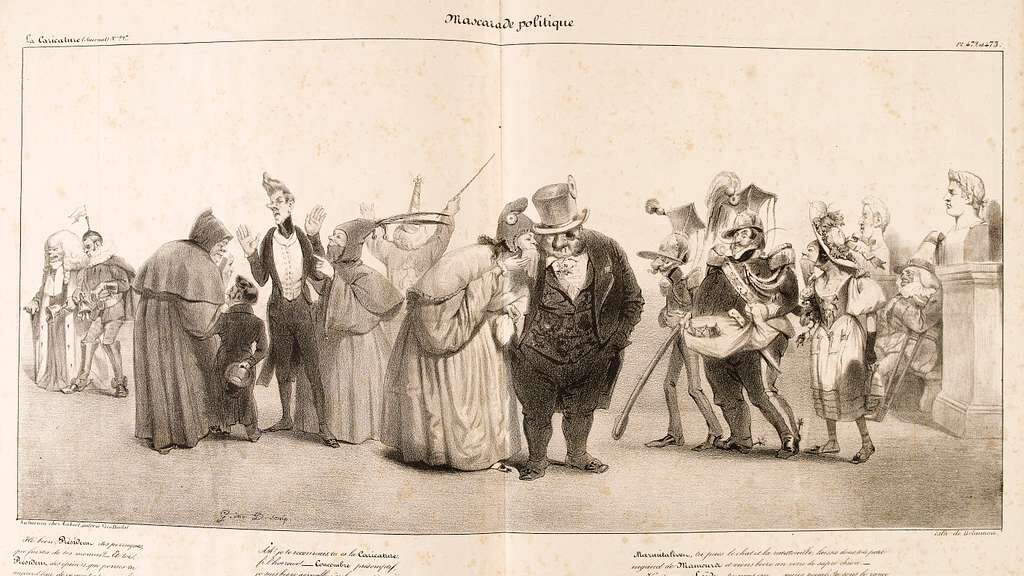
As in the endless disputes between brothers and sisters, we end up forgetting who started it and who said what.

What looks like a mild recession on the surface could turn into something much more serious.

Why is it so hard for the ECB to admit that inflation is a monetary phenomenon?

Buried in a pile of technical data are pieces of information that suggest investors are getting seriously worried about the growing pile of U.S. debt.

There are many pundits out there having opinions on inflation. But what do the latest figures really mean? Is inflation here to stay?

The problem in Europe and America is not that the free-market economy is too big. The problem is that the free-market economy is not big enough.

Three independent sources criticize the free-market system. Two of them are from the U.S. government. What is going on here?
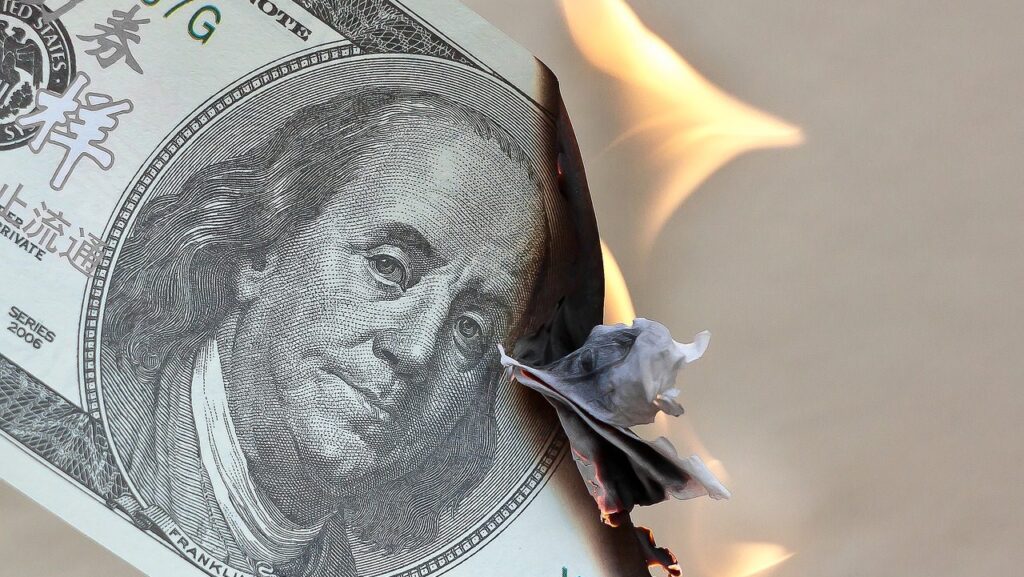
The U.S. economy is doing well, but the slowly growing uneasiness on the market for federal government debt could easily grow into a problem big enough to derail it.

On some social issues, Dignitas Infinita reaffirms the Church’s traditional teaching in clear terms.
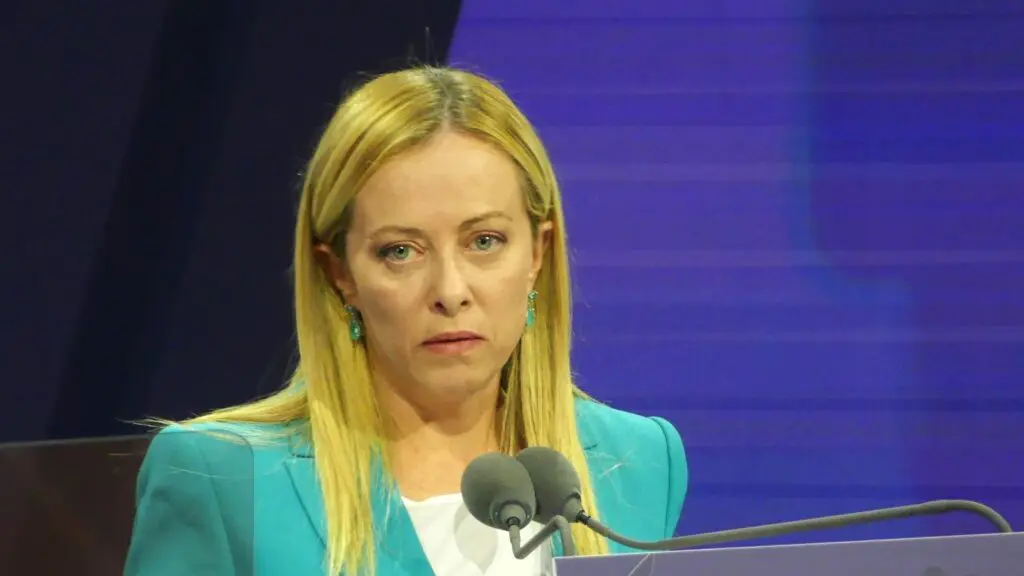
The European Commission has plans to go after Italy for its excessive budget deficit. There is no real reason for them to do this, and the timing is very bad.

The West is in a death spiral—but with the cooperation of confident, patriotic nations, there may be a way to turn that around.

EU member states must decide between prioritizing reduced ‘inequality’ or increased economic growth.