


The EU is in for a fiscal framework showdown between reformists and abolitionists. Who wins? Europe’s economic future hangs in the balance.

Obsessed with not appearing too far to the Right because of some of his reform ideas, the French president is pandering to the far Left by calling the Rassemblement National “outside the republican arc.”

If Congress decides to compensate NATO for insufficient European funding, they may have a run-in with the investors on the market for U.S. government debt.

NATO is a defense insurance program. What happens to your insurance policy when you don’t pay your monthly premium?

Whatever—or whoever—caused Navalny’s death, it is a clear signal to the world that Russia’s leader will not tolerate internal opposition.

The Left won’t forgive the media outlet for its decisive role in the development of Éric Zemmour’s political persona—and success.
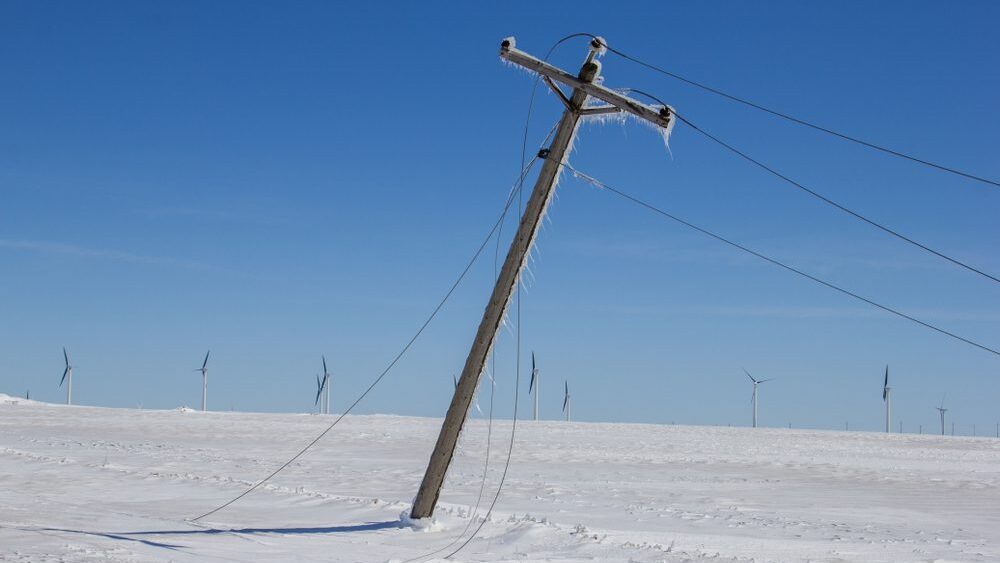
With facts and logic speaking against the green transition, countries headed for an economic recession should urgently rethink their energy policies.

Anyone proposing more U.S. defense spending with borrowed money should consider what happens when increasingly uneasy investors have had enough of U.S. debt.

A review of the past 60 years of inflation and monetary policy shows why the Fed must be conservative as it considers rate cuts later this year.

Low inflation and rising unemployment suggest that the ECB will soon abandon its tight monetary policy.

The system that is used to measure a nation’s economy is so complex that it would take a group of national-accounts experts to even attempt to forge the data.
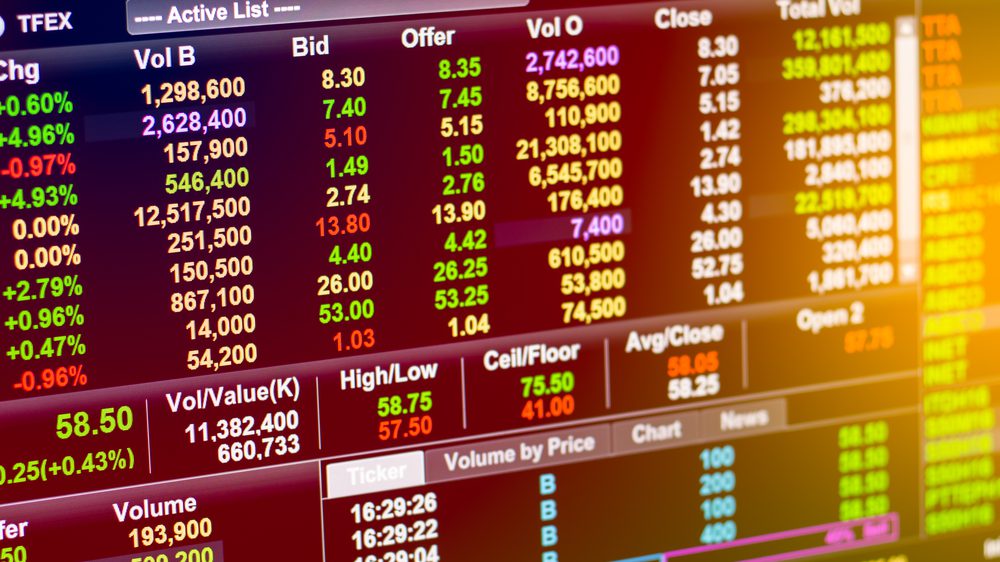
There are two quiet trends at work in the market for U.S. debt that analysts normally do not pay attention to. They should: if these trends continue, there will be turmoil in the market.
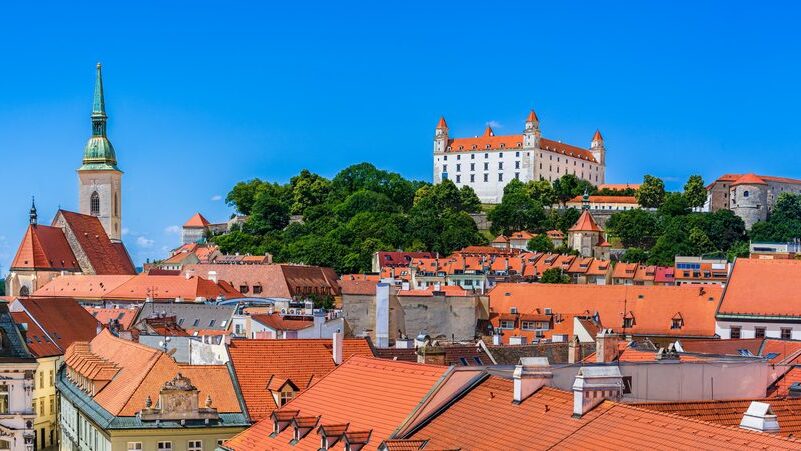
There is a big need for structural reforms to the Slovakian welfare state. Such reforms require a level of political leadership that Europe so far has only seen in Hungary.

Questions have been raised about the veracity of the IMF report showing Russian economy outperforming the West. But it is extremely difficult to falsify GDP data.
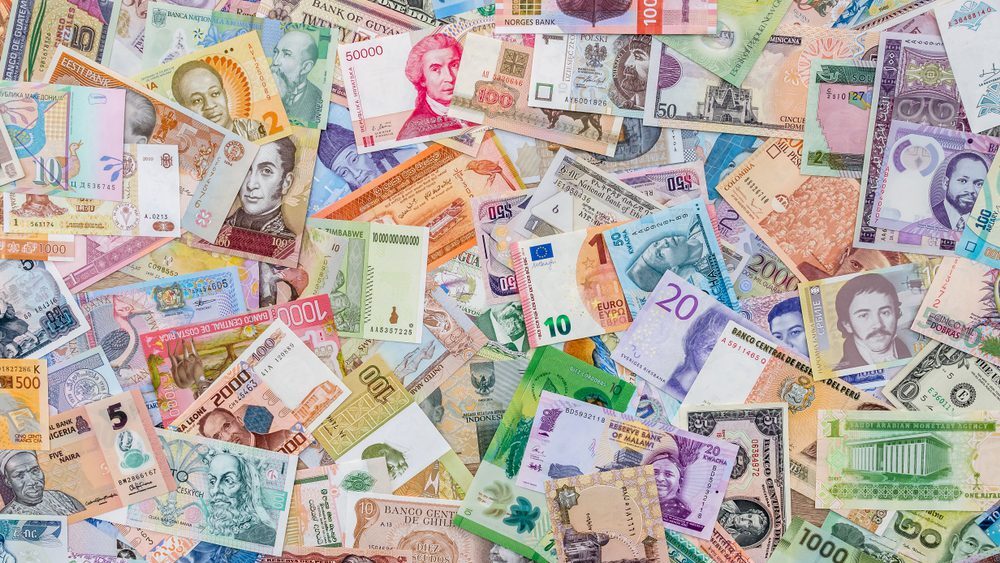
Despite differences in inflation rates and macroeconomic trends, many central banks make their policy decisions based on what the Federal Reserve does.

Finally, the U.S. Treasury is doing something to curb the rise in debt costs. But is it too late already to prevent a fiscal crisis in America?

This was a bold move by one of Europe’s best-run monetary authorities.

As Chinese hands-off investment aligns with African economic nationalism and Near Eastern realignment,where does Europe stand?

Those who expect a U.S. recession will have to wait a little longer, but there are some details in the latest GDP numbers that suggest an economic downturn is indeed on its way.

With these measures, Germany’s establishment parties are trying to stop the rise of the increasingly popular rightwing opposition.

Finnish unions threaten to strike in February over government cuts to social benefits. They forget the massive, destructive government growth that took place 15 years ago.
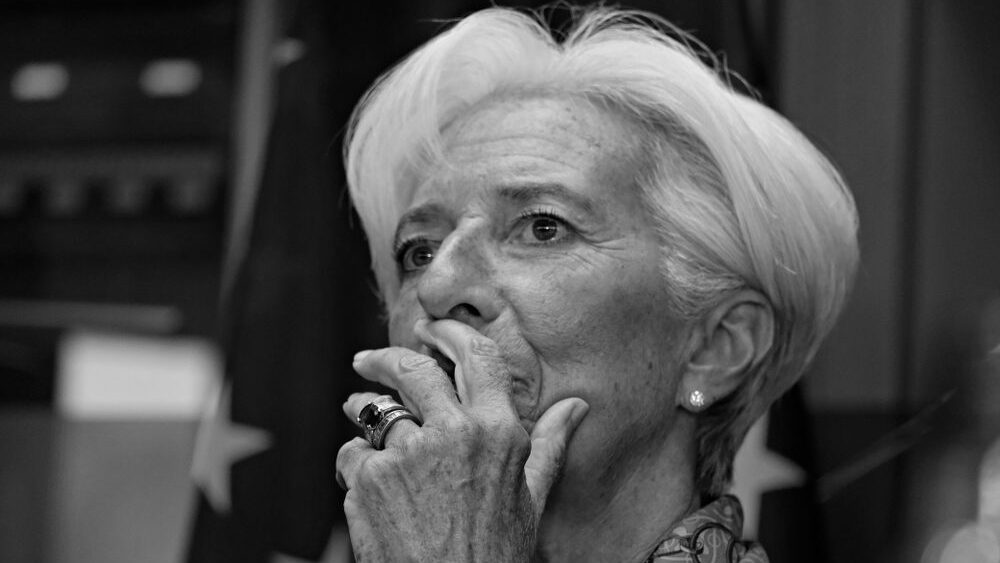
The ECB chief just ruled out raising interest rates. This is a big mistake that can cost the euro zone dearly in the coming recession.

European interest rates rise and fall closely with American rates. This can be good for Europe, but it can also be bad, especially if America is hit by a fiscal crisis.

François-Xavier Bellamy’s position is difficult to defend since his party belongs to the EPP group whose positions are often at odds with his own.

After months of falling, U.S. interest rates are rising again. There is no apparent economic reason for this, which suggests that investors are worried about government solvency.

The EU’s new fiscal rules are supposed to solve the problem with member state budget deficits. But so far, neither the European Parliament nor the European Council has addressed the two biggest problems with their reform efforts.

The U.S. central bank is predicting an economic slowdown, but their numbers are only preliminary. Here is what data to look for in the coming weeks to see if they are correct.
The British economy has stopped growing. Despite Remainers’ claims, Brexit is not to blame.

With their economy in a recession, the Bundestag may be forced to subject the Germans to harsh austerity policies, whether they want it or not.

Nothing’s new in Macron’s world: lack of ideological consistency and mediocre political coups.