

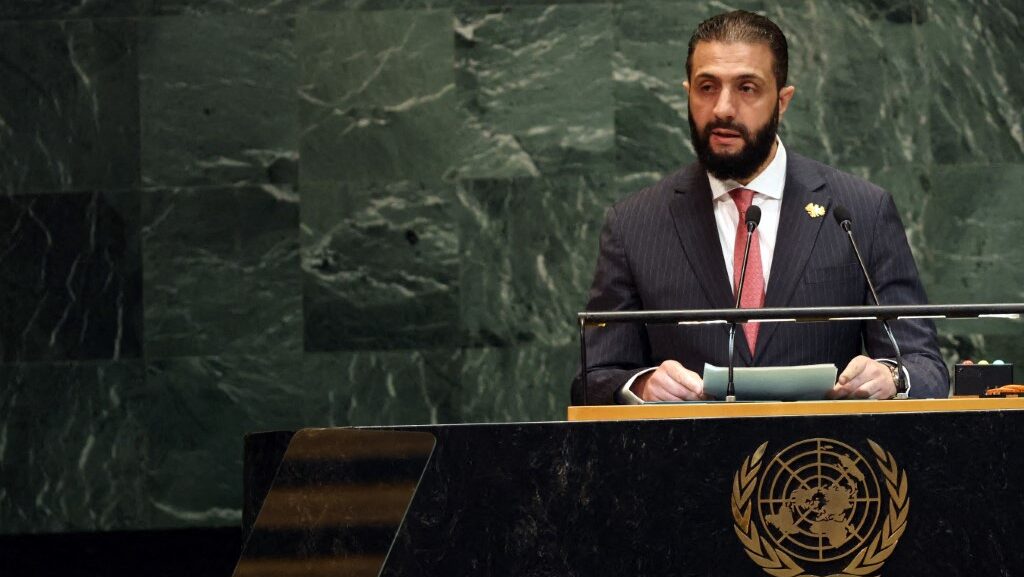
Western heads of state ignore the fact that al-Sharaa’s HTS is classified as a terrorist group by the UN, the EU, and the UK.

The government in Lisbon can brag about having eliminated its budget deficit. How does this benefit the economy—if at all?

Fault lines continue to show themselves in the European Parliament, as the EU finally realises the folly that is its latest iteration of its Green Deal rules.
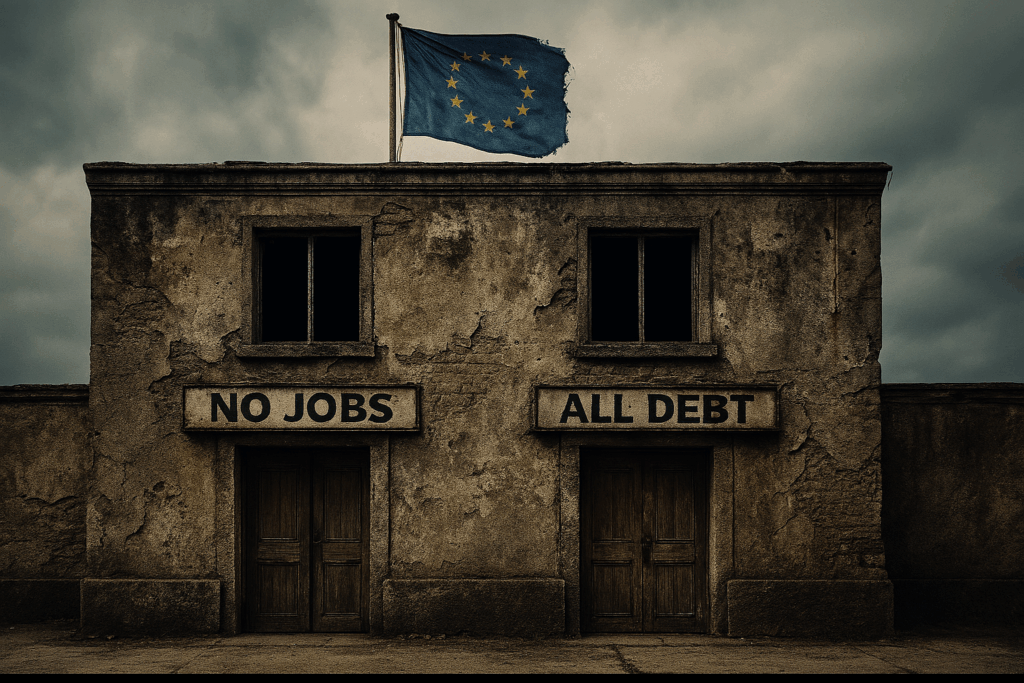
Comparing the market and par values of sovereign debt may seem like a dry exercise, but it reveals critical insights into the European economy.
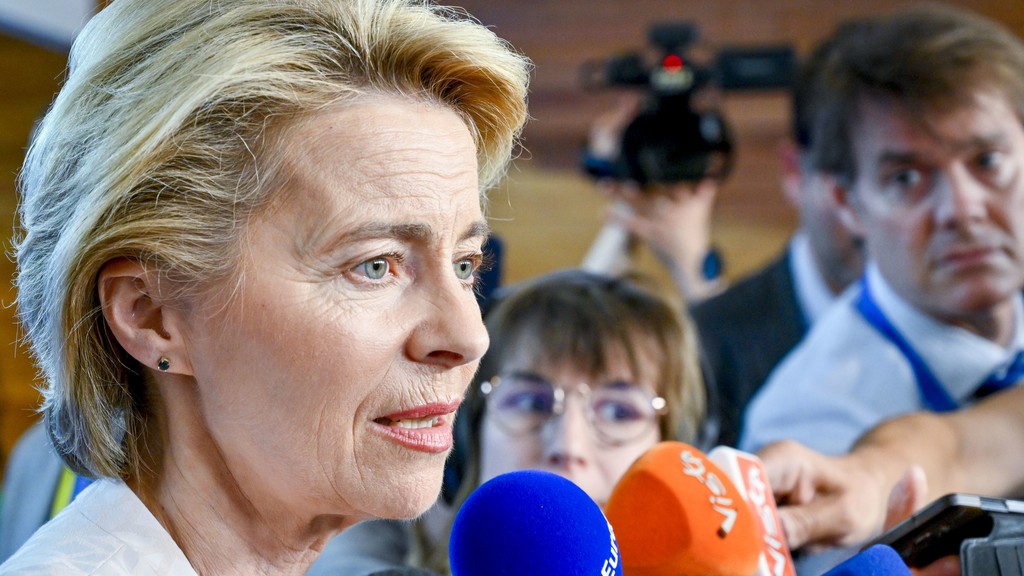
Brussels has turned compliance into a religion, and small businesses are paying the price.

Prime Minister Orbán recently confirmed that Hungary has no intentions of joining the euro zone. This is one of his best and most consequential policy decisions ever.

Contemporary Vatican abolitionism does not arise from the Gospel or from Catholic Tradition, but from a blend of progressive theology and European political pressure.
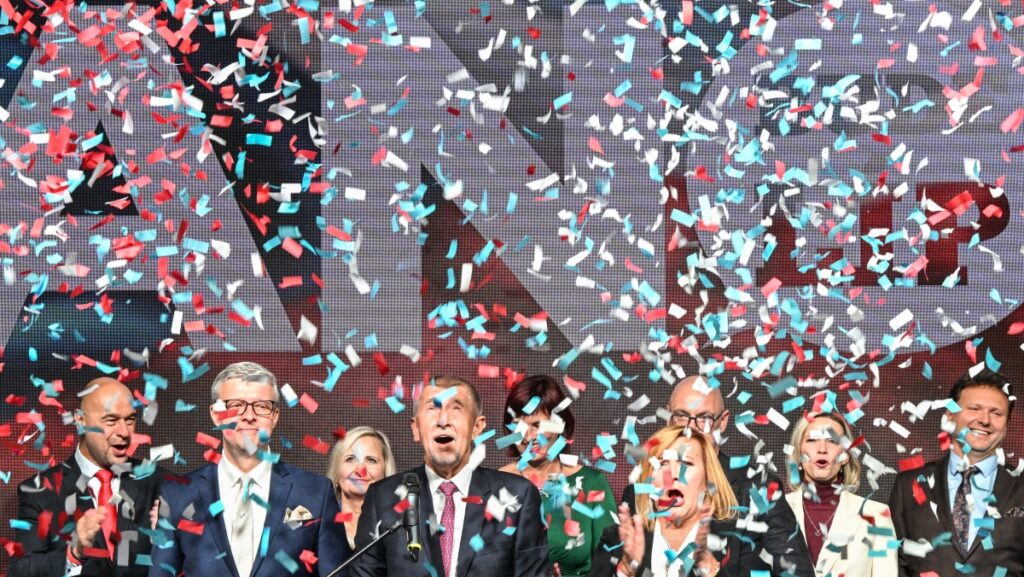
To Hungary, Slovakia, and Czechia, the buzzwords of ‘European unity’ ring thin if they risk leading the continent further into a war whose front is so close to themselves.

Green idealism has turned into industrial suicide: Europe pays the price while Tesla and China reap the gains.
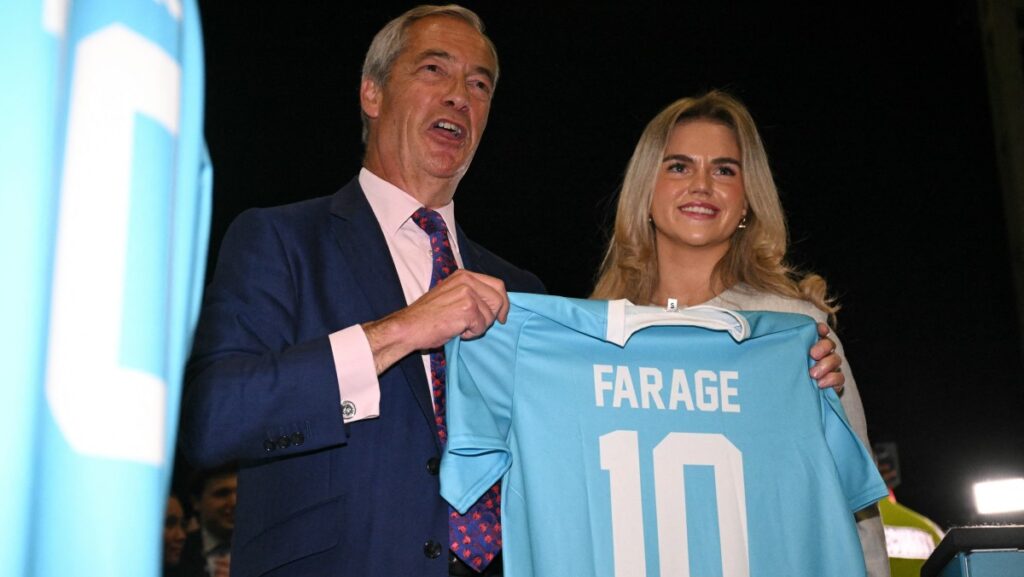
A century ago, Labour overtook the Liberals. Now, Farage’s party may be on track to replace the Conservatives.

Adopting a law-and-order type of approach to dismantling the drug trade and the criminal organizations that manage it is a welcome step.

Deregulating markets and industries will amount to nothing unless we first do away with the elephant in the room: the welfare state.
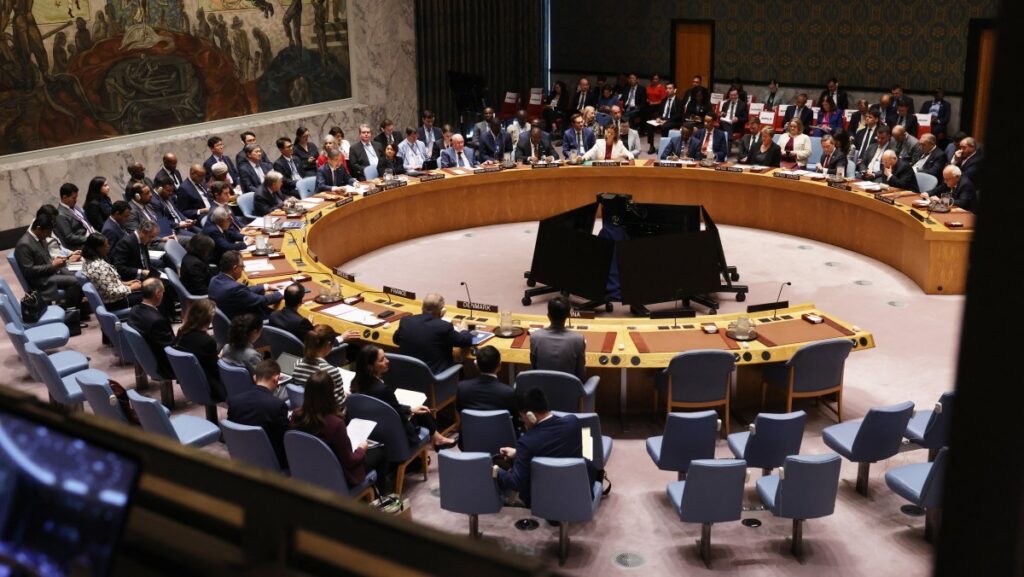
Unless traditional multilateral institutions are reformed to reflect both the current and emerging dynamics of world politics, they risk being irreversibly sidelined on the global stage.

Today, Italy has an air of stability and France an odor of drift.

The blood of innocents cannot be the legitimate currency of international consecration.

A move sold as “modernisation” could dismantle the last defence states have in controlling who joins the EU.

The next growth story will belong to places that excel at the basics: abundant energy, flexible work, simple and stable rules, openness to trade and investment.
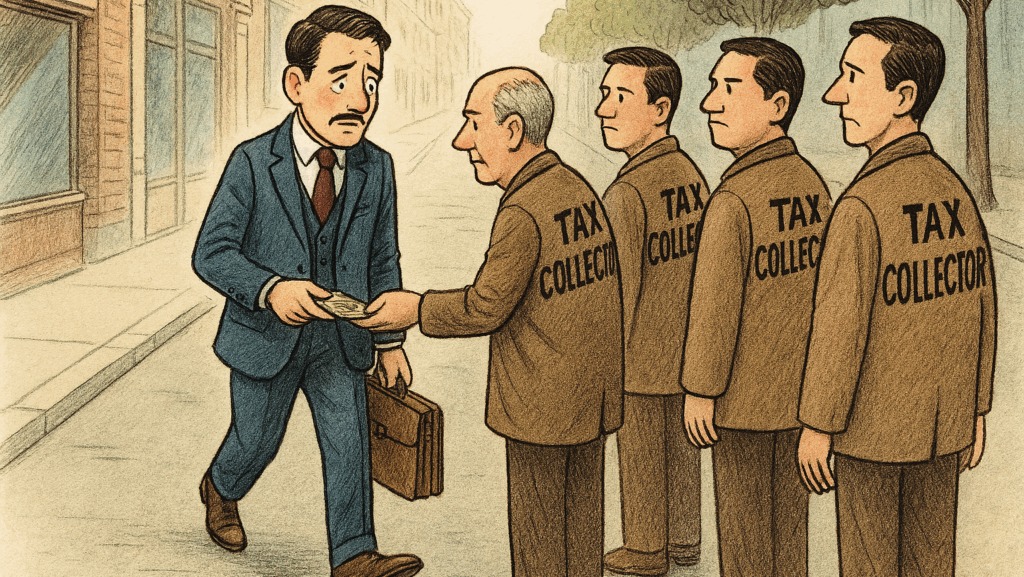
A new levy on high-end wealth looks innocent when it is first introduced. However, a simple experiment shows how destructive the ‘Zucman tax’ really is.
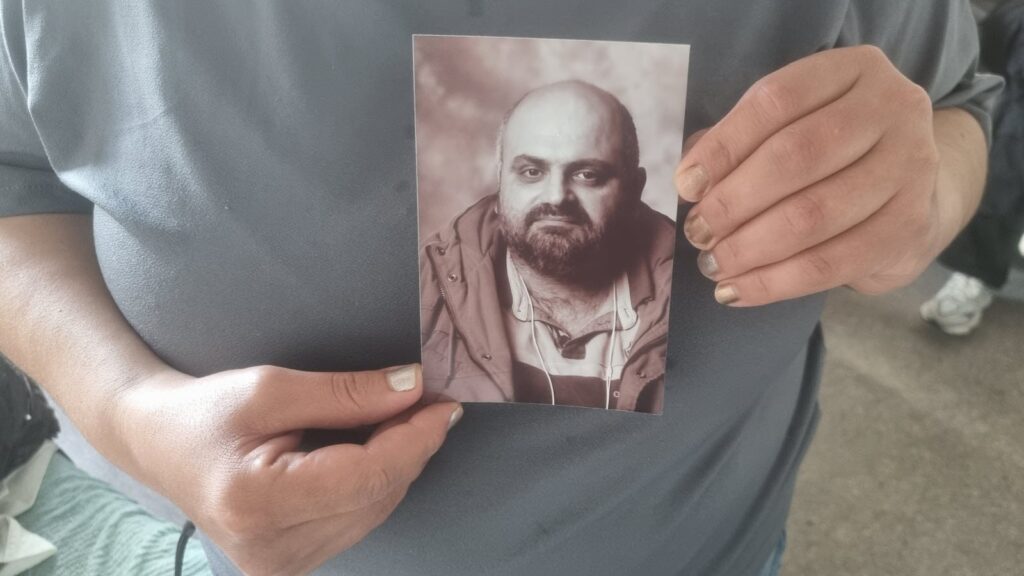
Ashur Sarnaya survived ISIS but was killed in Europe for his faith—raising urgent questions about Christian safety and religious freedom in the West.

The center-right government just proposed a very good budget. Ten years too late.

When the next major fiscal crisis hits, Europe’s credit-challenged governments will pull down the banks with them. A crisis bigger than the one 15 years ago can no longer be ruled out.

The French government is facing the same fiscal crisis as in 2012—but this time, the ECB won’t be able to help them.

The EU is ready to sacrifice competitiveness and credibility on the altar of ideology (again.)
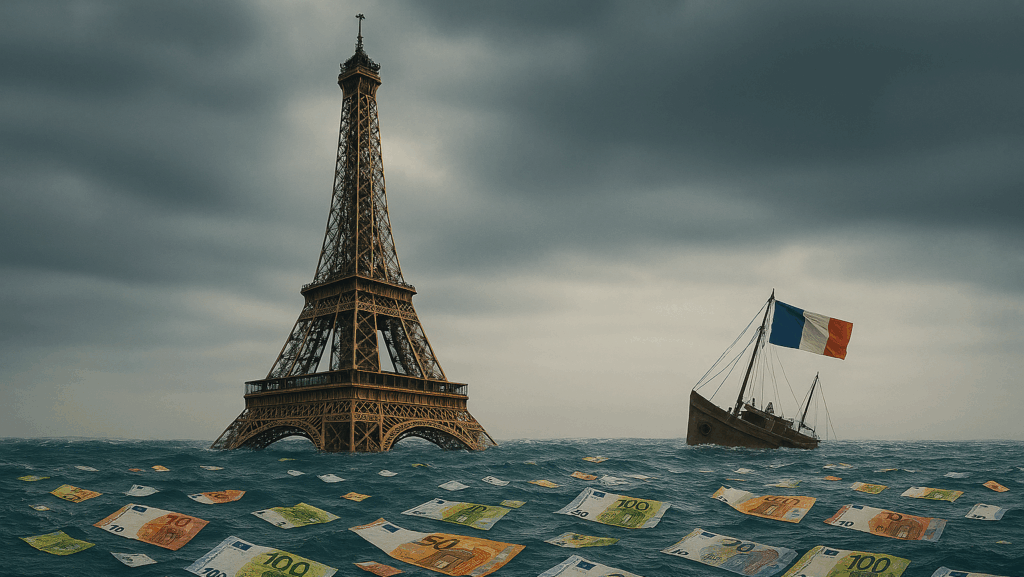
Like a rudderless ship, France is sailing straight for the same cliffs that broke the Greek economy 15 years ago. Will President Macron meet his Waterloo in the hallowed hallways of the IMF?
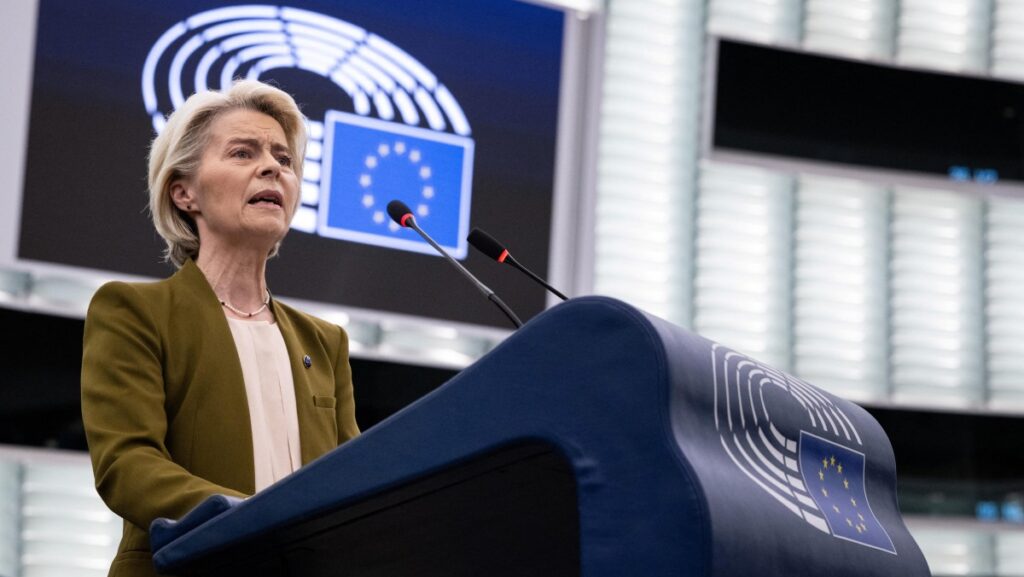
The Commission’s current course increasingly resembles a centralist, homogenizing project disconnected from reality.

By refusing to dissolve the Assembly, Macron apparently doesn’t want to put an end to the French political crisis he himself created.
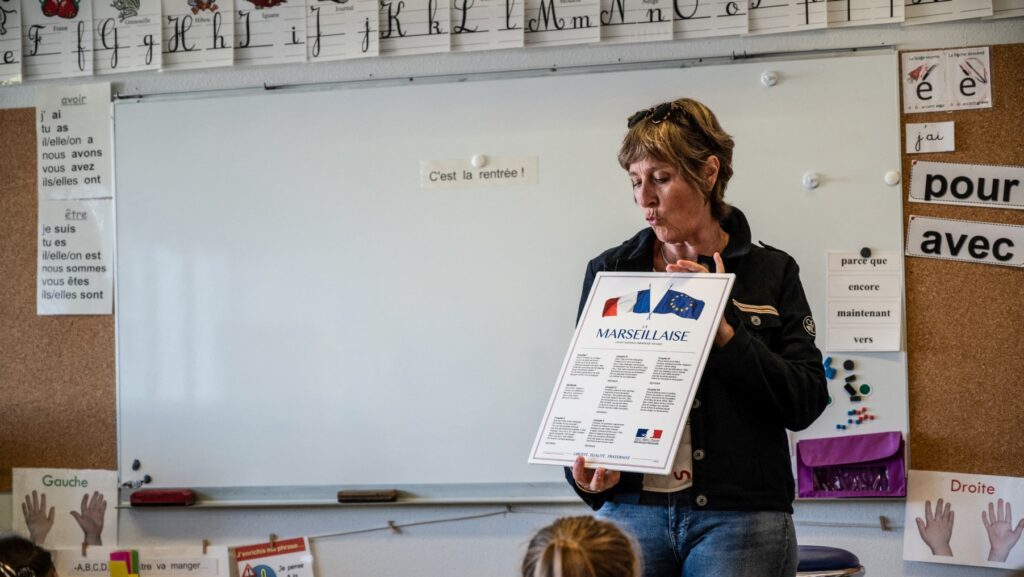
For the first time, voices are rising to expose the real culprits behind the collapse of the French national education system.

Europe could once again become attractive by presenting itself as a civilization capable of uniting prosperity and dignity.
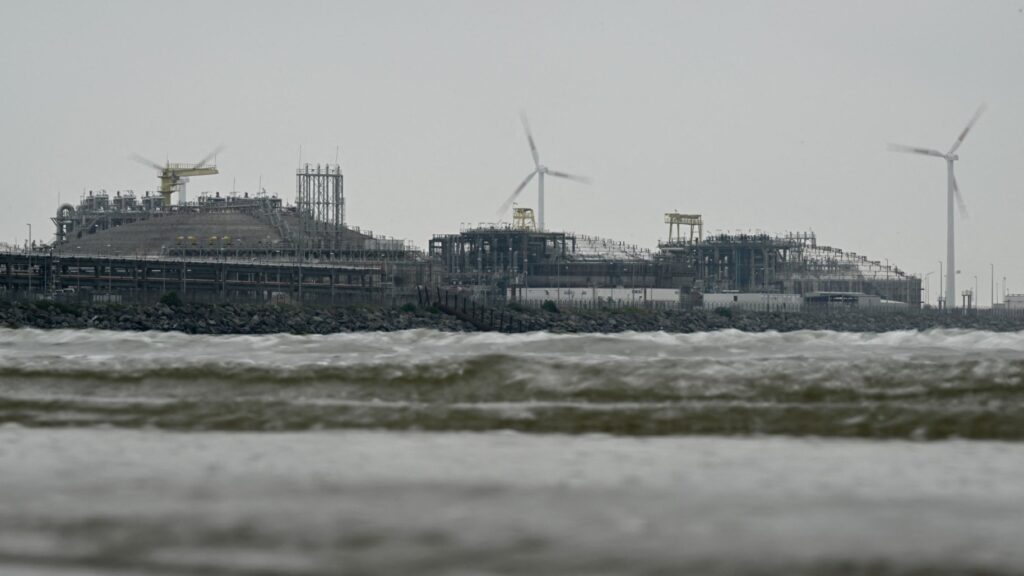
While the EU is pivoting to American LNG, the switch comes with a price premium and security of supply concerns.
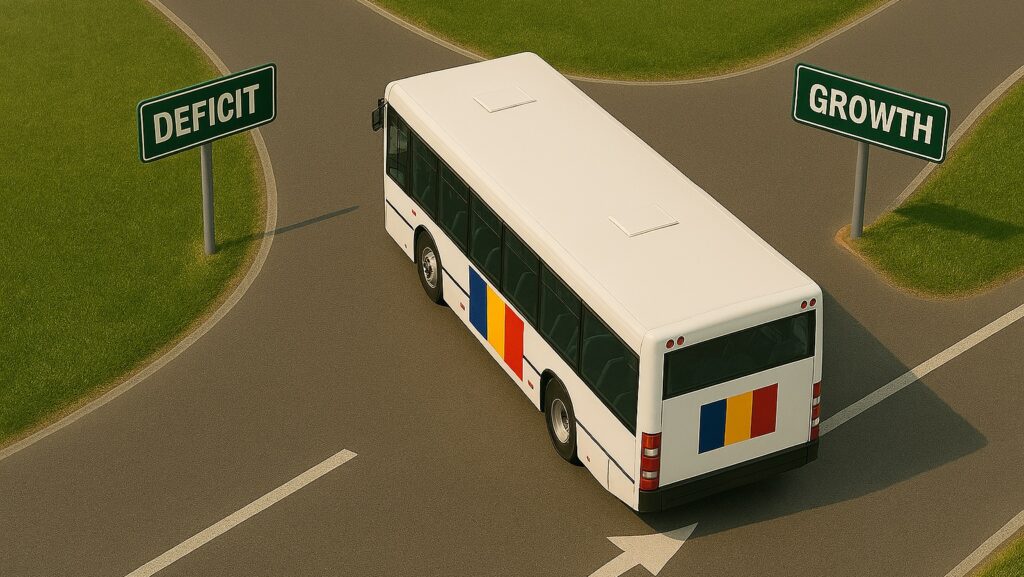
Facing a major budget gap, Bucharest must choose: fix the deficit or launch a broader economic rescue. So far, Prime Minister Bolojan has shown little leadership to do either.