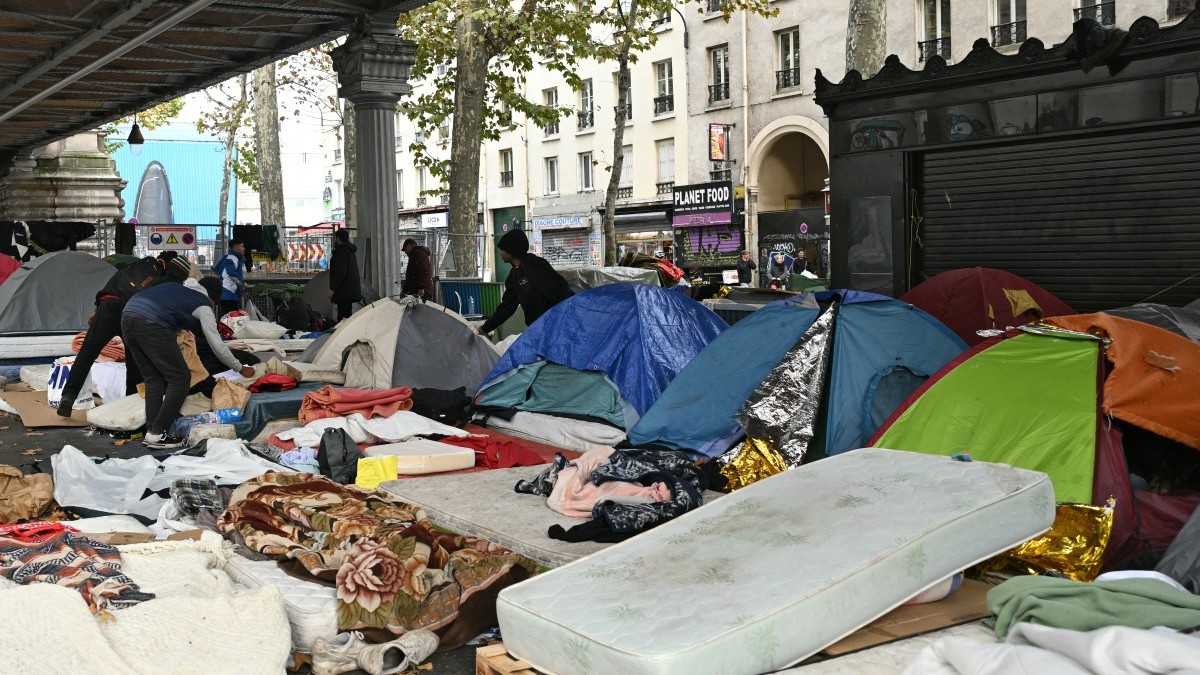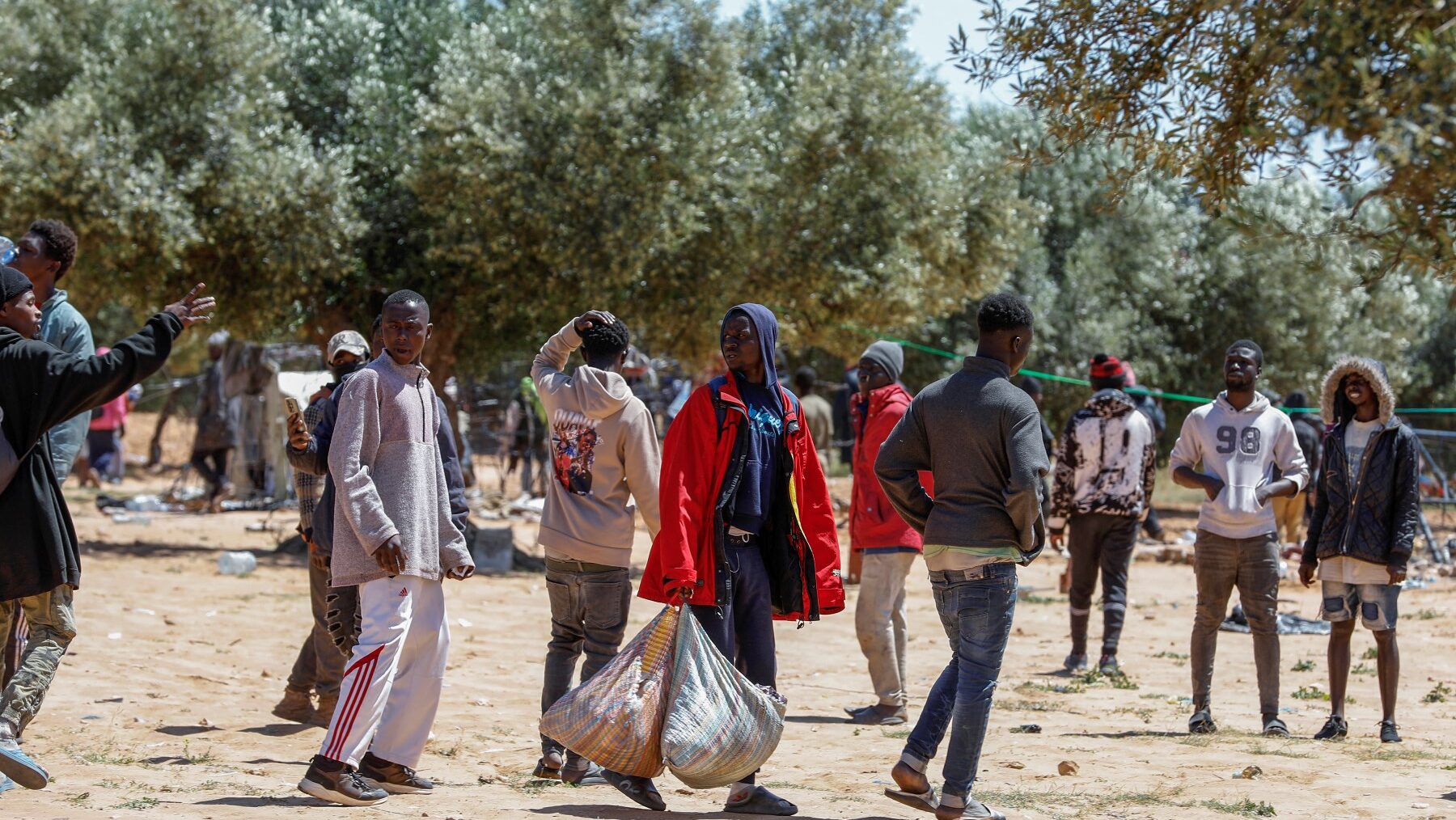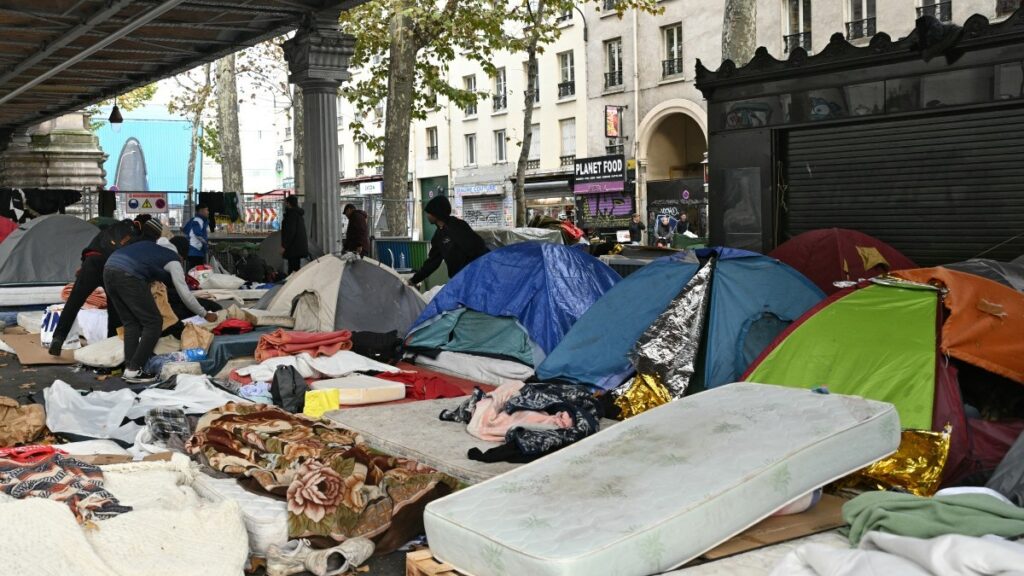
The centre-right EPP voting with the right-wing parties to allow the externalisation of returns marks a political turning point in the EU.
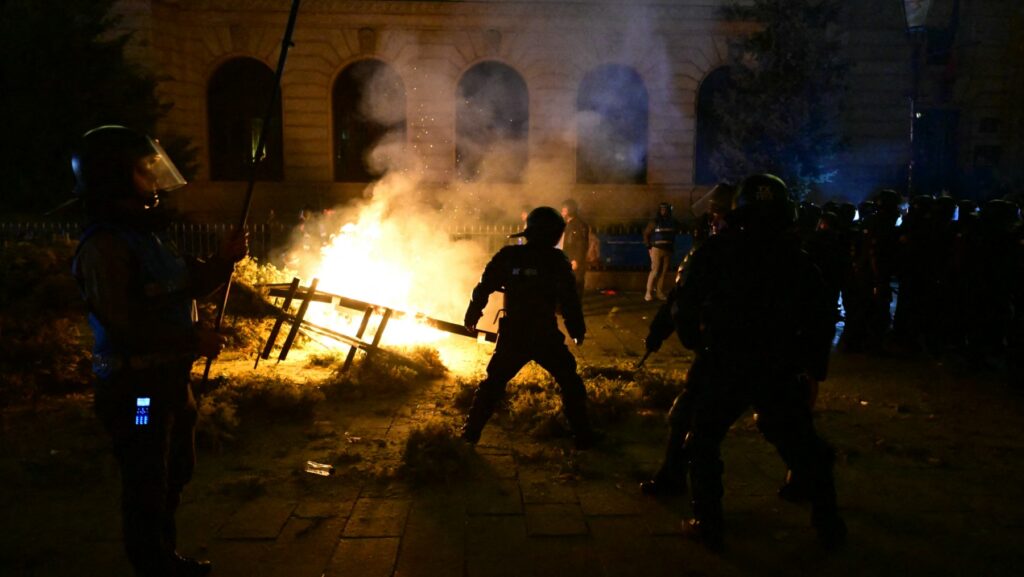
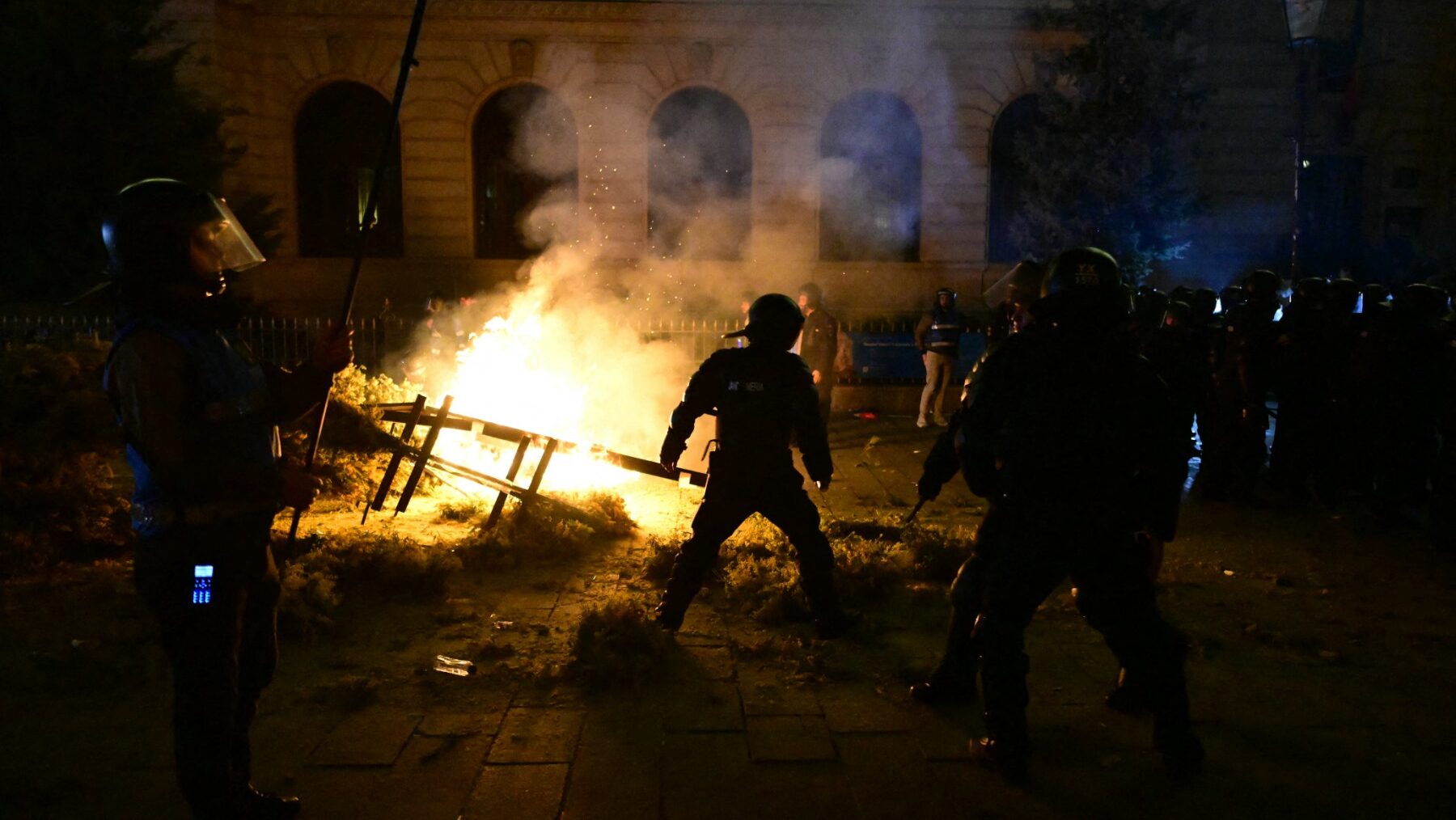
Rising tensions and deepening divisions spark fears of unrest across Europe

Brussels is opting for technical adjustments in response to the shock caused by the Iran crisis.
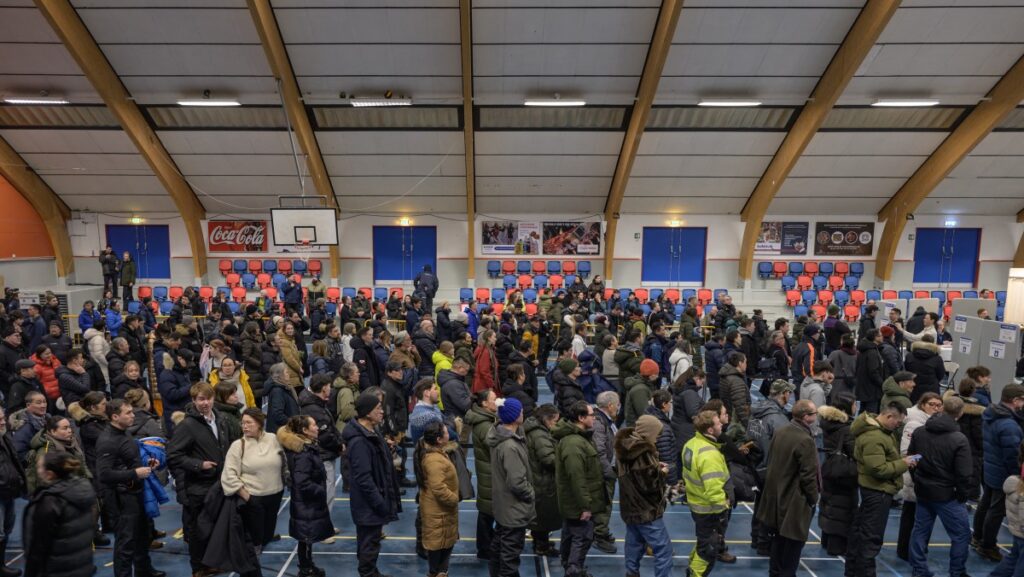
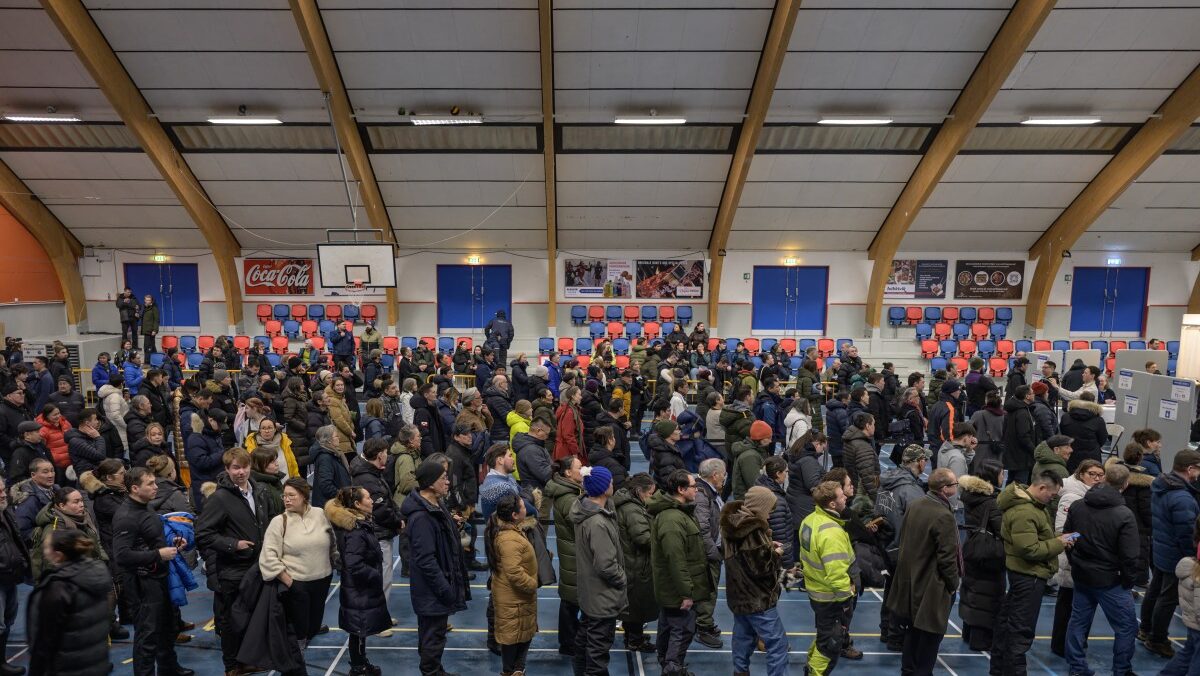
A surge for the anti-immigration Right and losses across the centre have left coalition talks finely balanced.

Attention is turning to Brussels’ own record, with mounting criticism of its handling of energy, borders, and economic policy.

Brussels promises export gains and access to critical minerals, but national divisions are resurfacing as governments weigh the impact on agriculture.
The combination of control of funds, digital rules, and legal procedures allows the EU to sway the political context ahead of elections in member states.
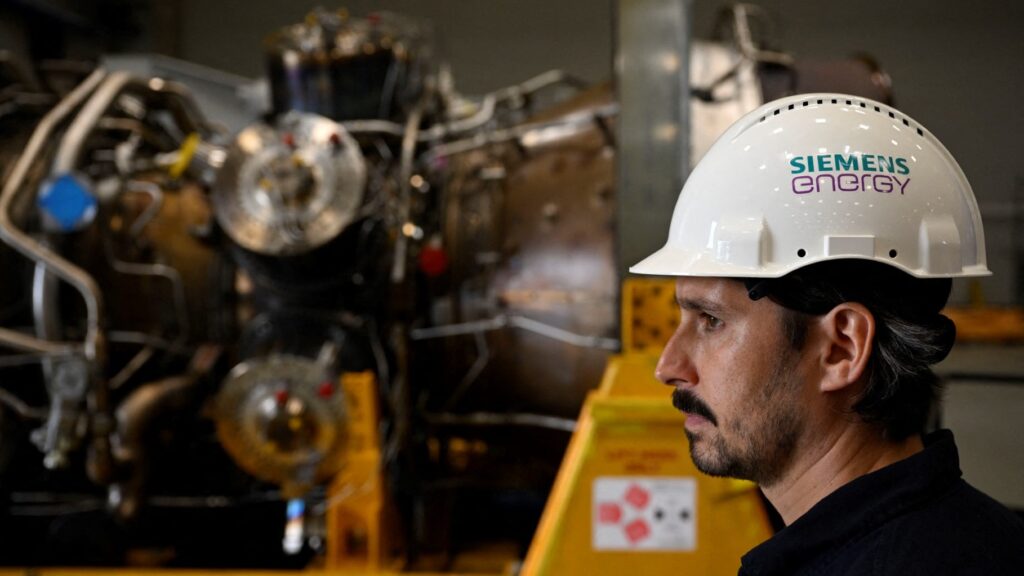
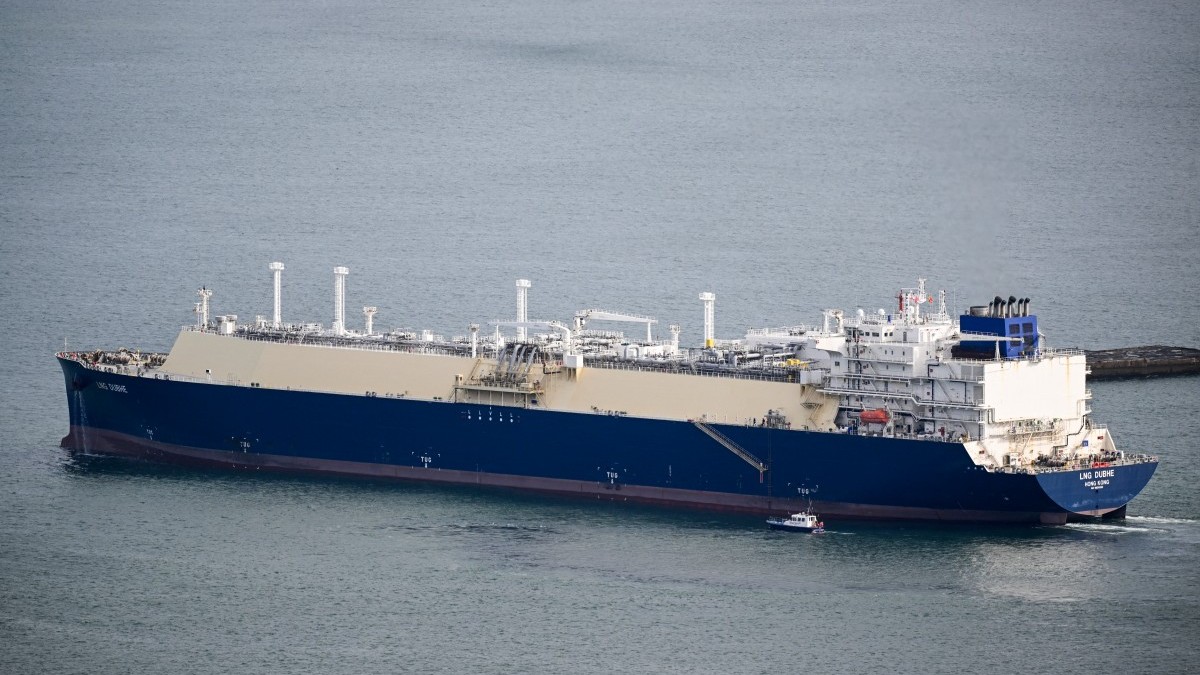
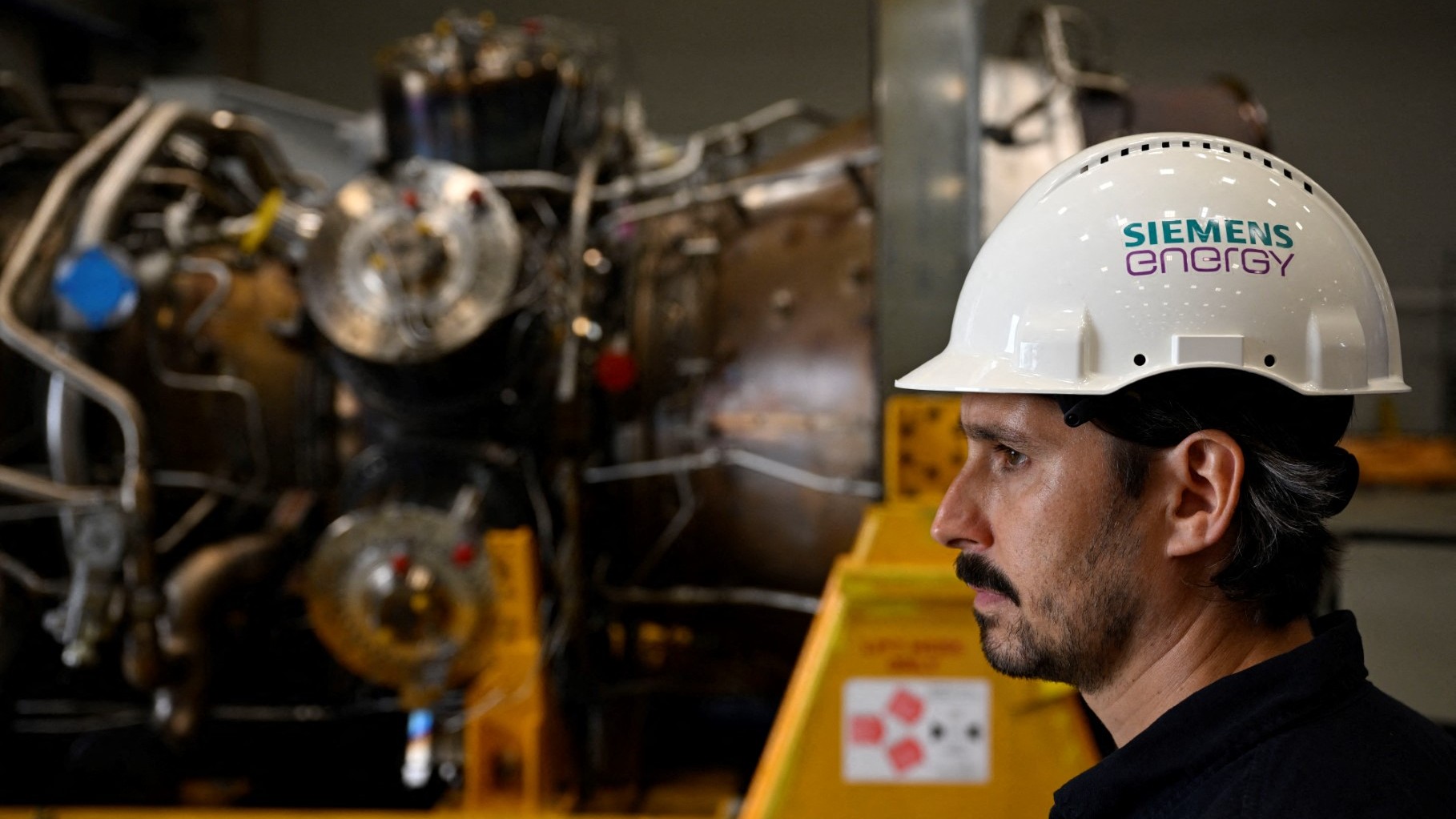
The crisis in the Middle East is pushing up oil and gas prices and forcing the EU to face the consequences of its expensive and unstable energy system.
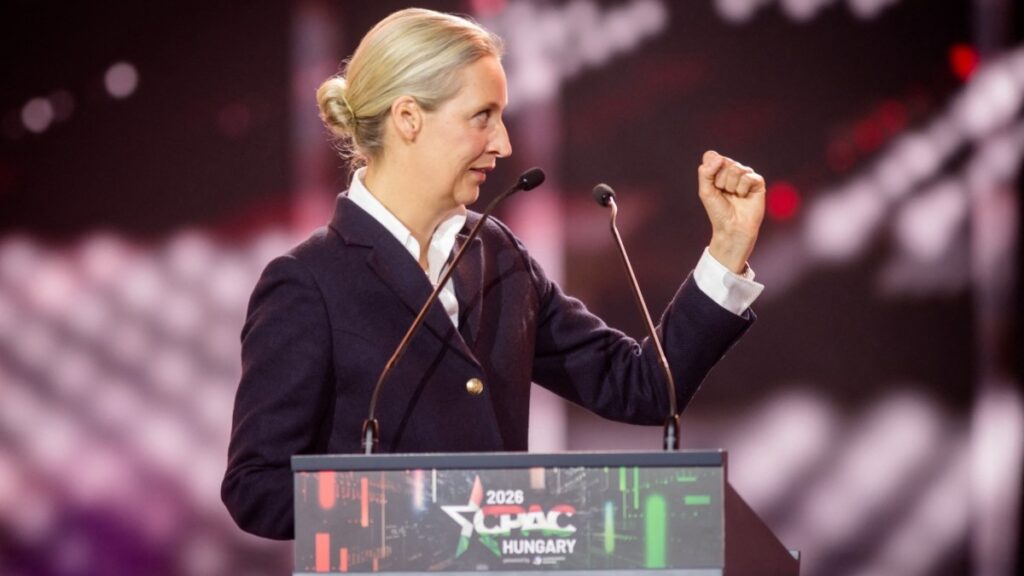
The CDU victory and AfD’s historic 19.5% are set to alter the political balance in western Germany.
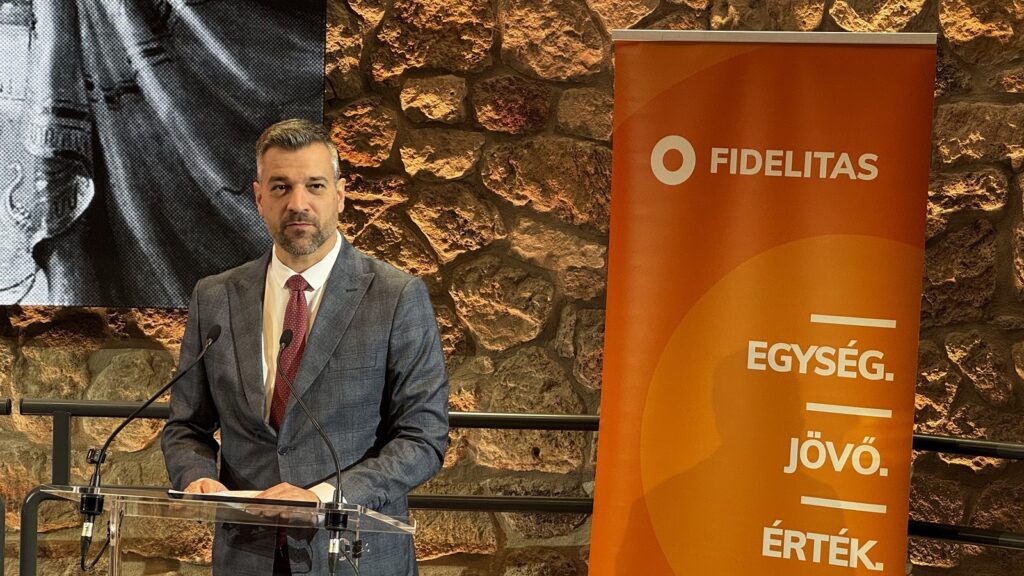
A key meeting brought together young political leaders and conservatives from both sides of the Atlantic—in what they described as a “decisive moment for the future of the continent.”
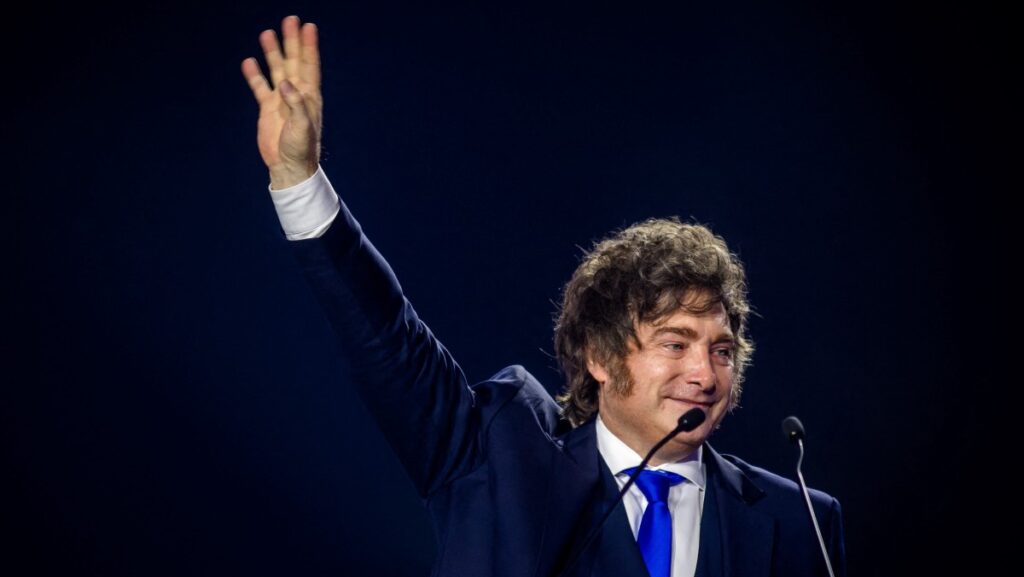
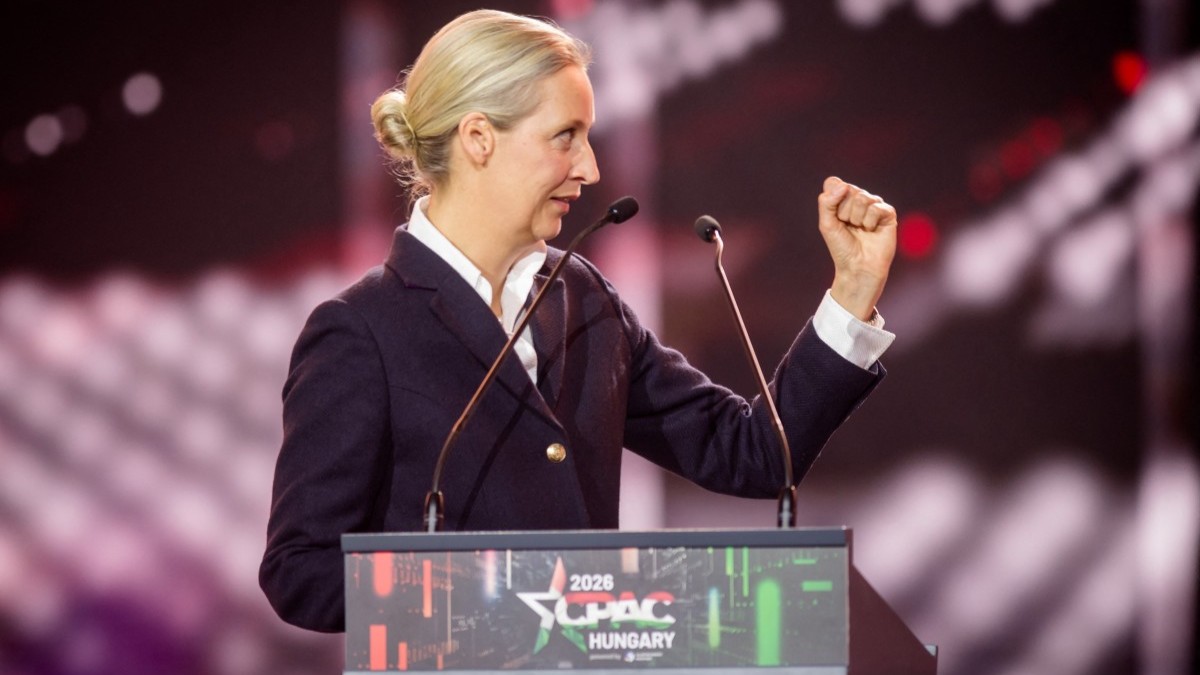
CPAC Hungary highlighted a shift from rhetoric to strategy, as conservative figures moved toward coordinated political action across borders.
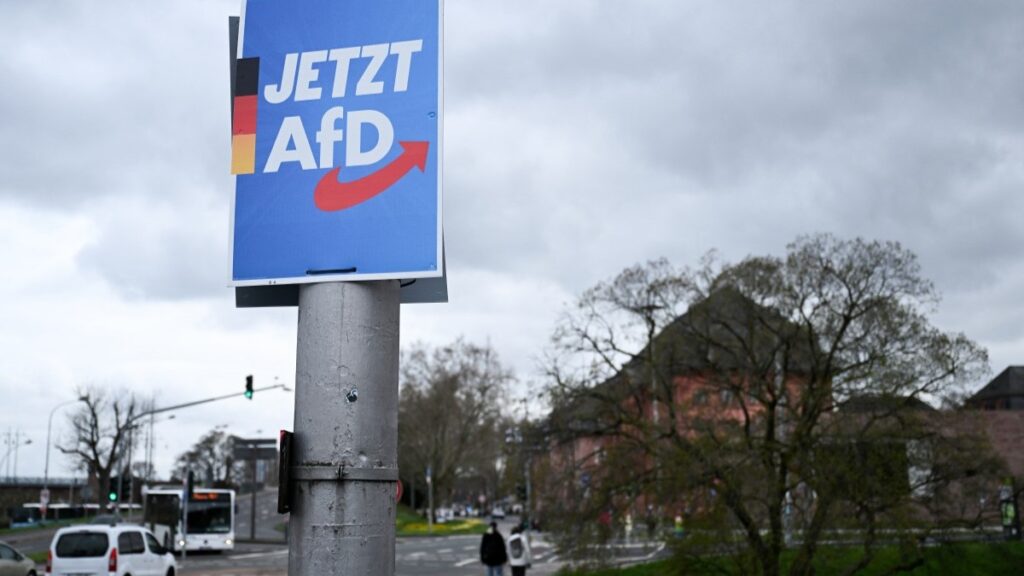
The right-wing populist party is predicted to garner 20%, amid a dispute with the CDU in Germany and in the European Parliament over migration policy.