
An episode of a Finnish podcast that dared discuss the concerns regarding the mass surveillance of EU citizens’ conversations online has been removed by the tech giant for users within the European Union.
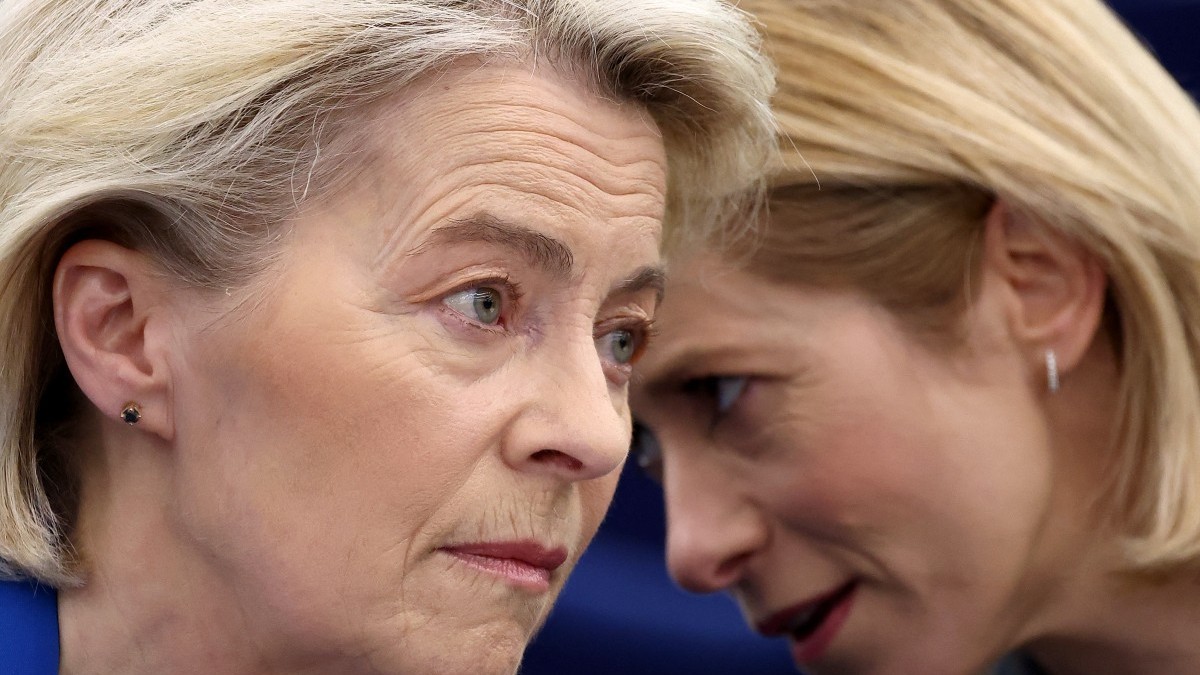
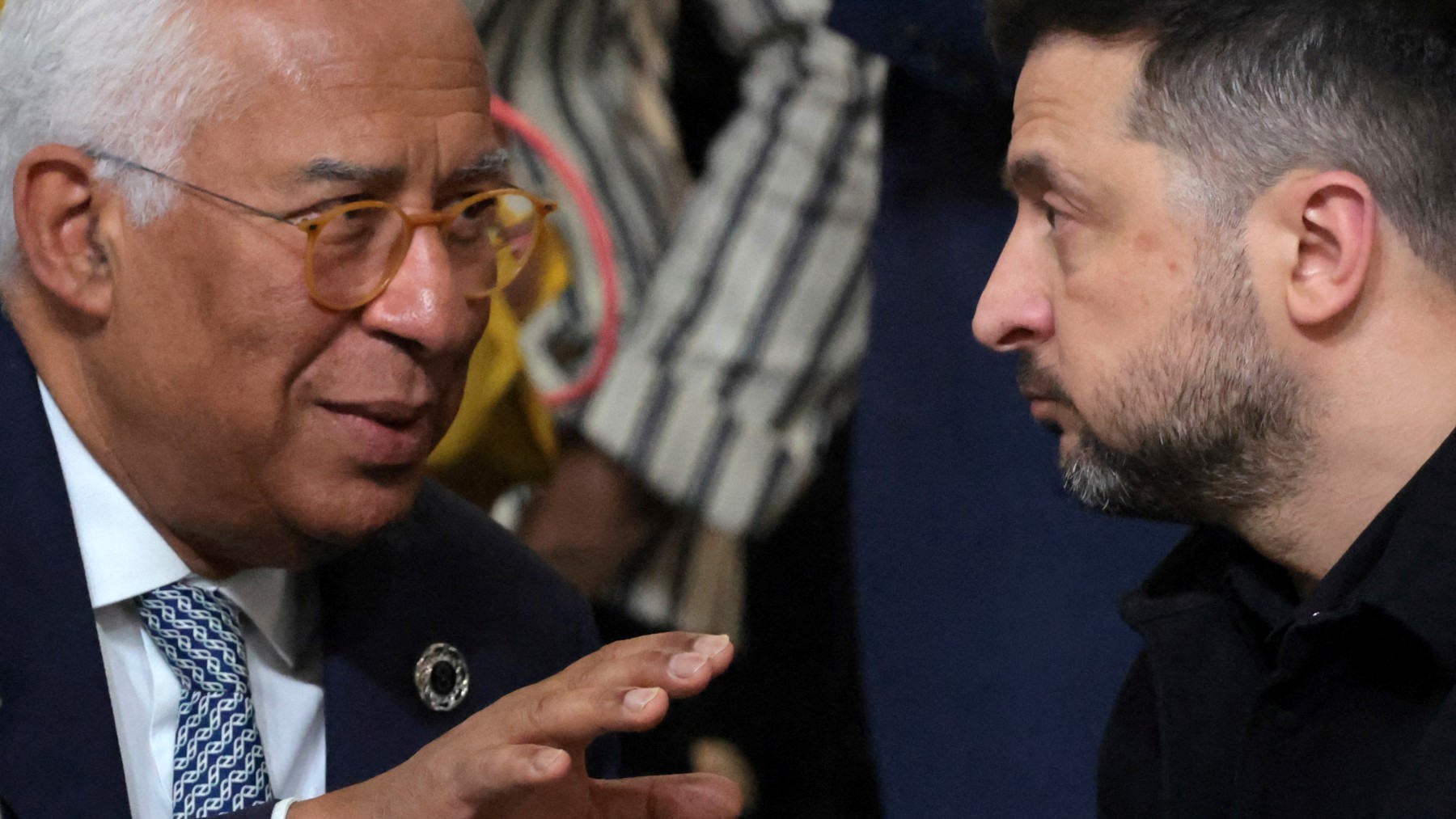
As two rival leaders confront each other, we see how Brussels adapts institutional rules depending on who controls the decision and what outcome is being sought.

The episode that occurred in Lviv does not amount to a nationwide protest, but it exposes the erosion of trust in Ukraine’s mobilisation system.

Paris deployed 20,000 police officers and gendarmes; in the British capital, riot police had to disperse the crowd.
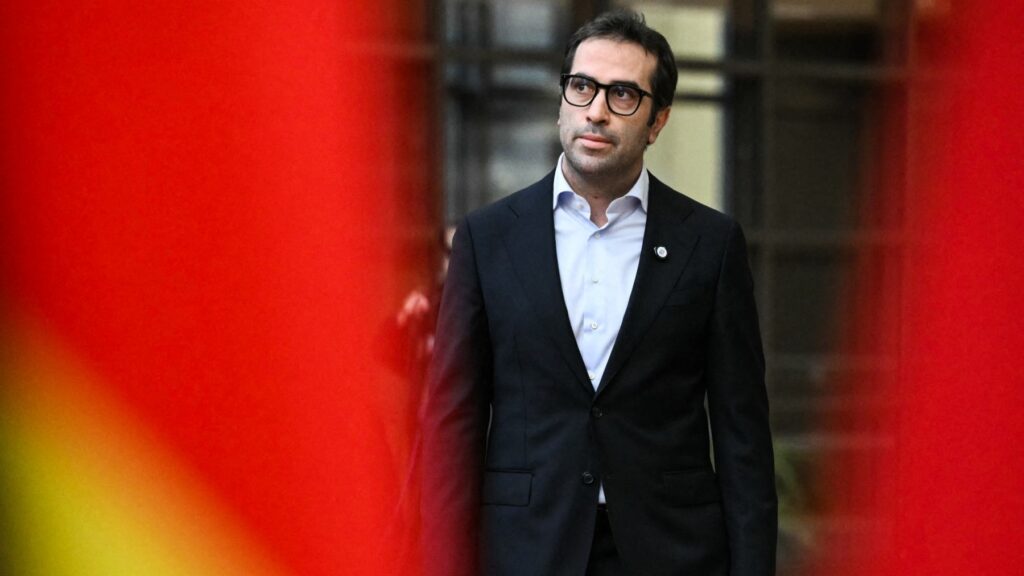
Madrid wants the EU to mutualise sovereign debt issuance, while Germany opposes expanding the bloc’s budget and NATO is calling for sustained European rearmament.
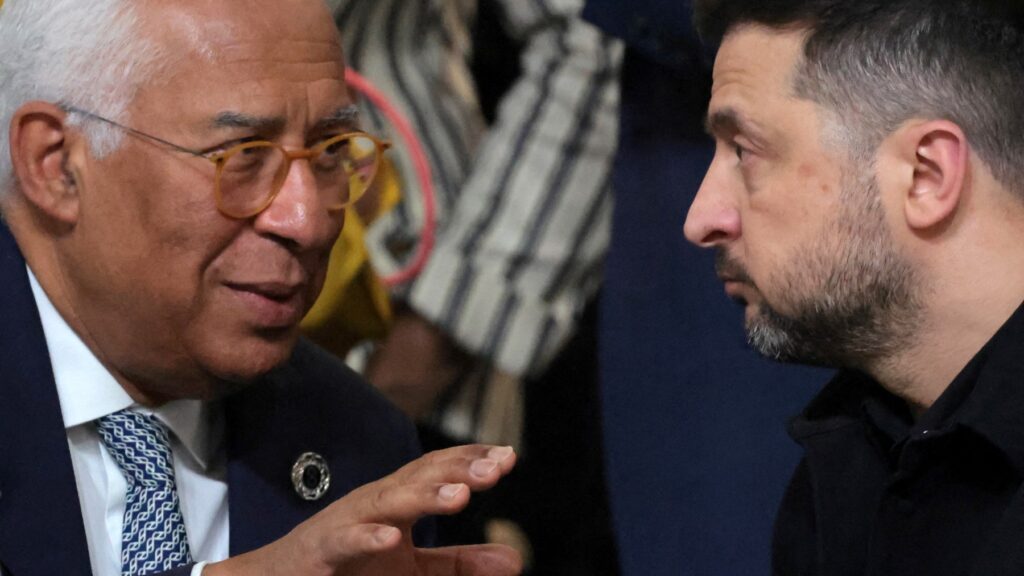
The announced technical advance will not overcome the political, budgetary and institutional hurdles of bringing Ukraine into the European club.
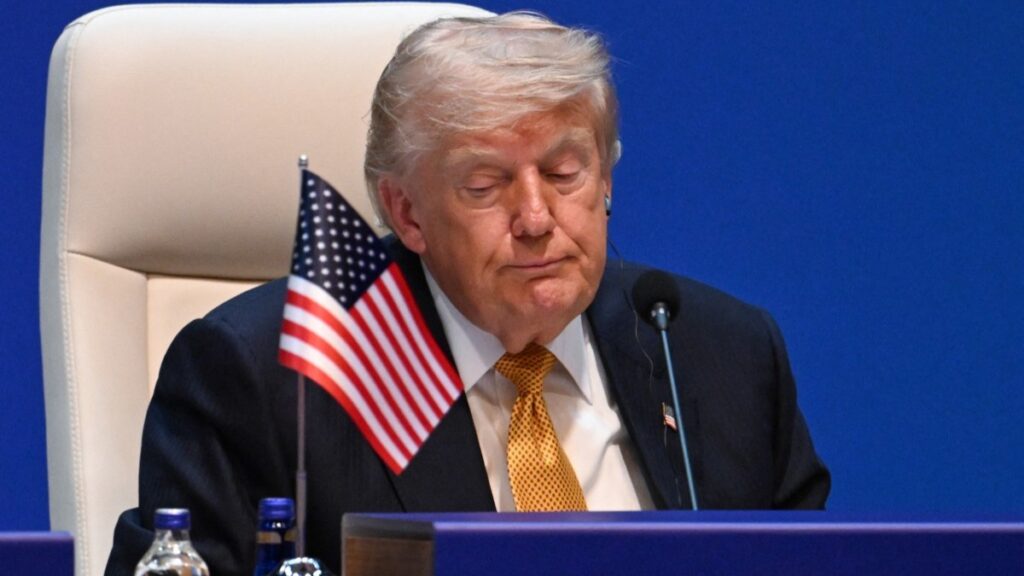
The NATO summit was meant to confirm Europe’s rearmament and the new burden-sharing arrangement within the alliance, but it ended up marked by Trump’s threats.

In Madrid, 70% of ‘unaccompanied minors’ subjected to age tests in 2024 turned out to be adults as the cost per place turns reception into a lucrative public spending scheme.
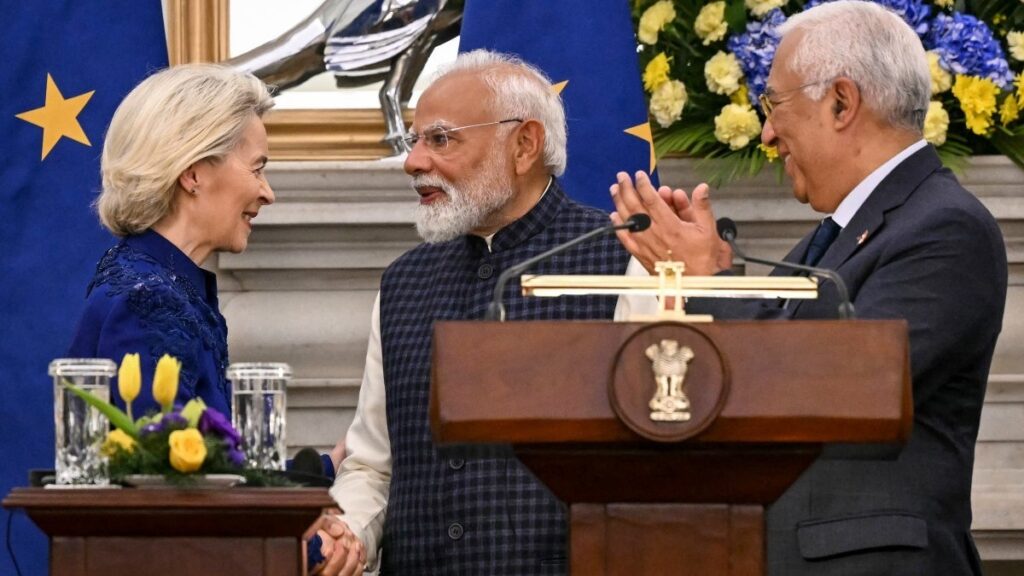
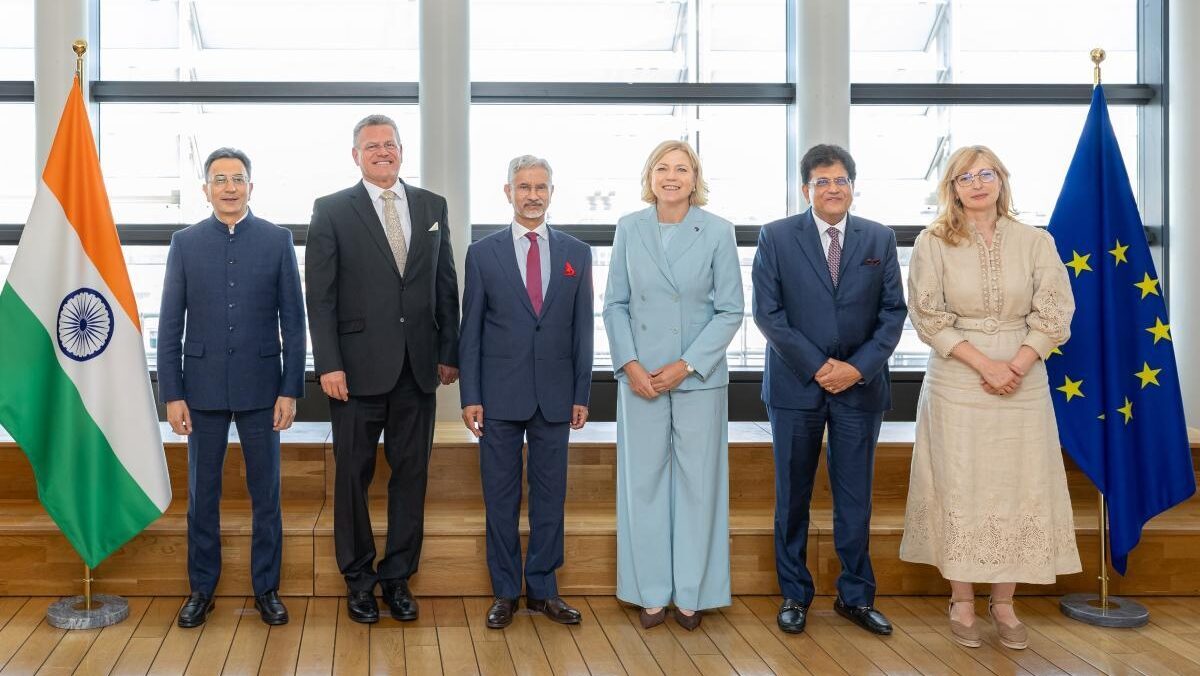
New Delhi is accelerating implementation of the trade agreement with Brussels as the EU needs to prove that it can deliver on what it promises as a bloc.
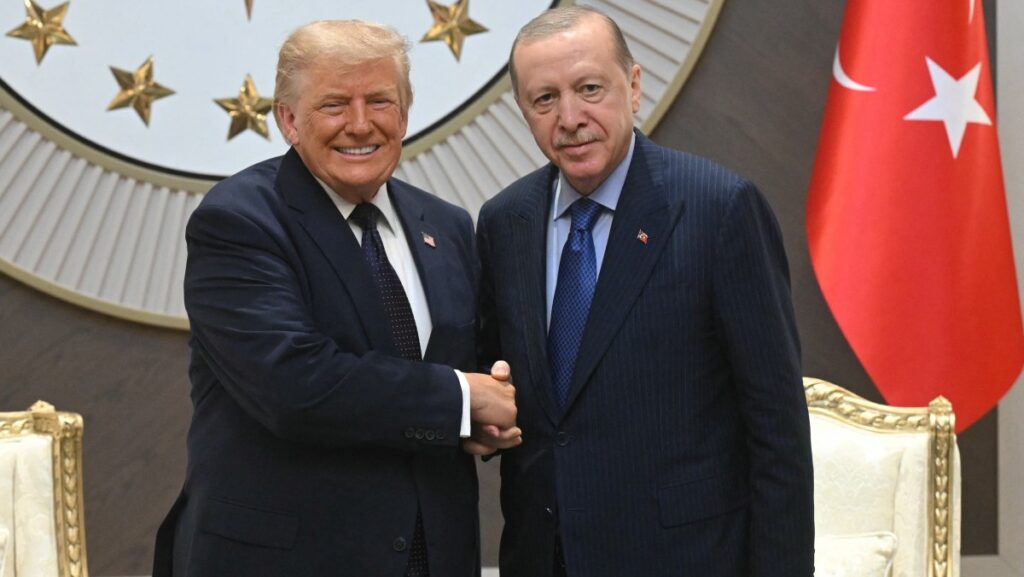
The Alliance gathers in Turkey under pressure to convert its 5% defence pledge into weapons, industrial capacity, and a clearer answer to Washington’s demands.
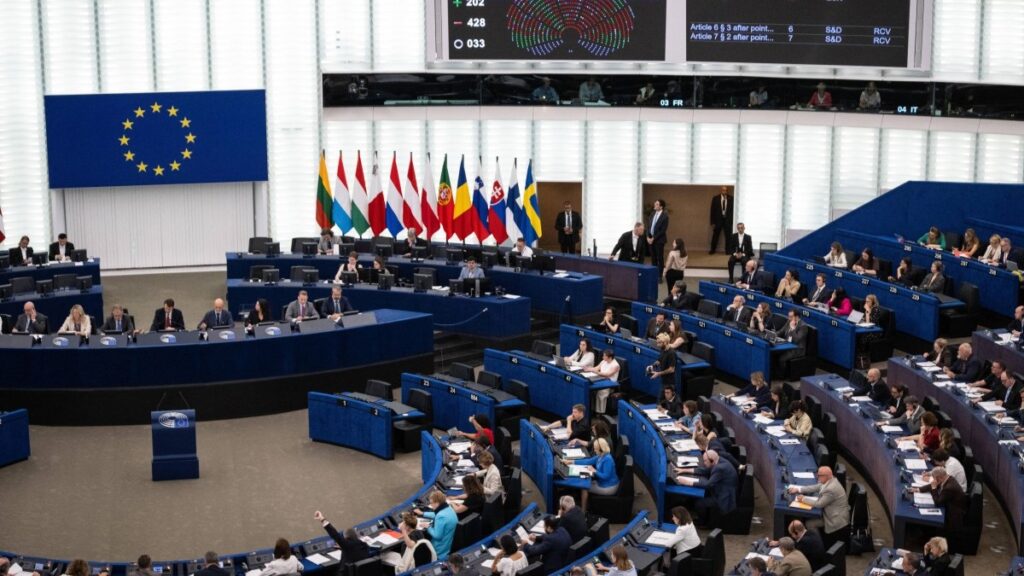
MEP Jorge Buxadé accused the European Parliament of applying the rule of law selectively after years of pressure against Viktor Orbán.

Brussels frames the digital euro, age verification, and Chat Control as separate solutions to real issues, but together they highlight who controls the digital infrastructure shaping everyday life in Europe.