
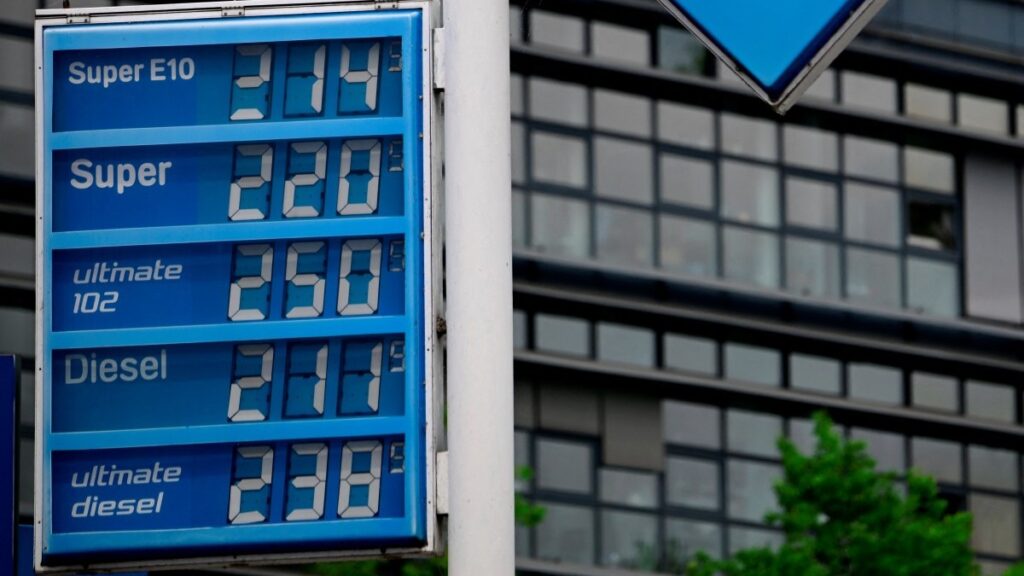
Winter Is Coming– But Europe’s Energy Crisis May Hit Already in the Fall
For the EU to overcome the energy challenges ahead, it cannot afford to abandon pragmatic solutions for the sake of dogmatic and rigid expectations.

For the EU to overcome the energy challenges ahead, it cannot afford to abandon pragmatic solutions for the sake of dogmatic and rigid expectations.
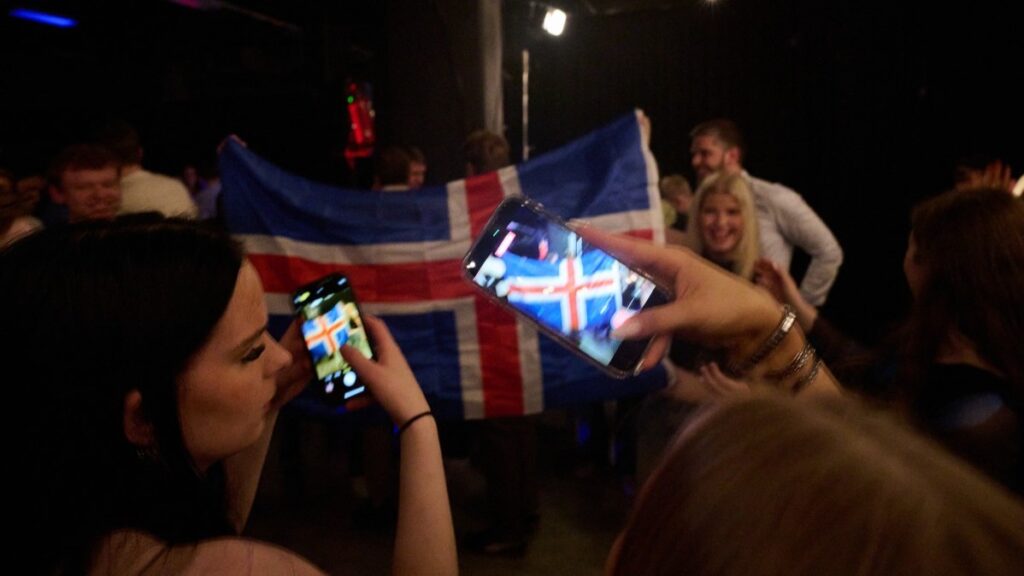
Icelanders were offered a chair at the negotiating table. They looked at it. And decided they were perfectly comfortable standing.
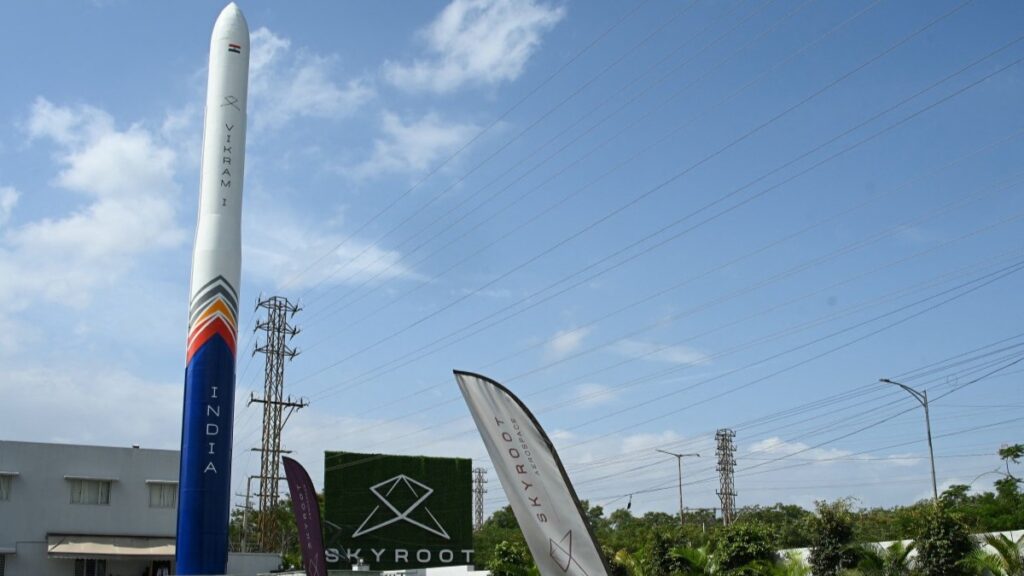
Vikram-1’s success confirms India’s entry into the private launch market just as Europe fears it may be unable to meet projected demand by the end of the decade.
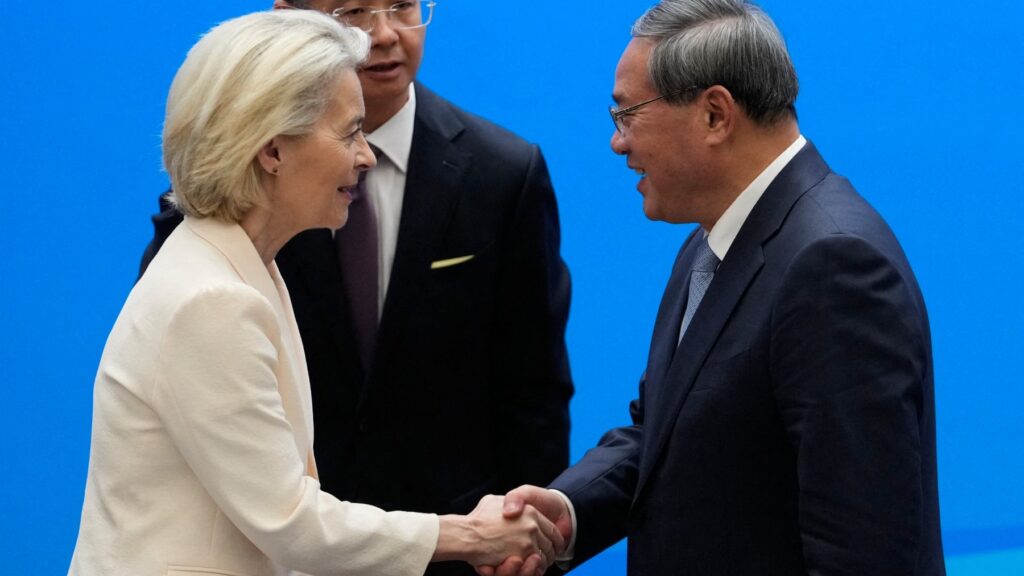
Brussels promises to reduce dependencies while Chinese companies gain ground in sectors that are essential to the European economy.
It’s not that European elites embrace the uninvited illegal aliens’ values. They just despise their own. A civilization ashamed of itself cannot ask others to assimilate into anything meaningful. And so they don’t.
Abolishing the veto will not create a common strategic interest where none exists. It will merely allow the majority to impose on individual countries decisions that those countries may regard as a threat to their own security.
Before Europe became a collection of nation-states, it was a civilization bound together by scholars, shared learning, and the pursuit of truth. As our capacity to communicate has expanded beyond imagination, the intellectual culture that sustained that world has steadily eroded.
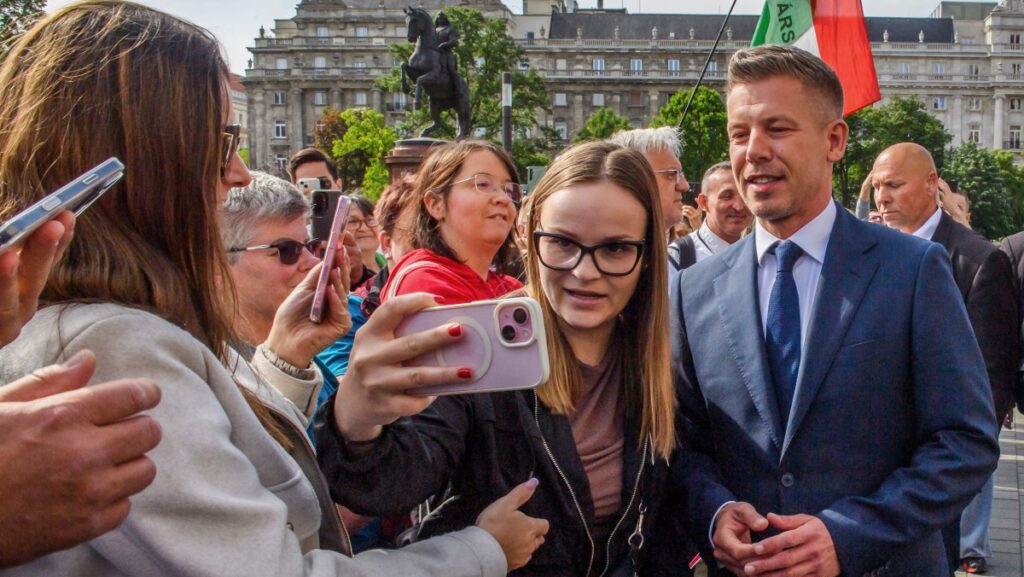
Anti-politics has become the latest trending communication product, but if we denounce political experience as a sin and herald amateurism as a virtue, we pave the way for chaos.
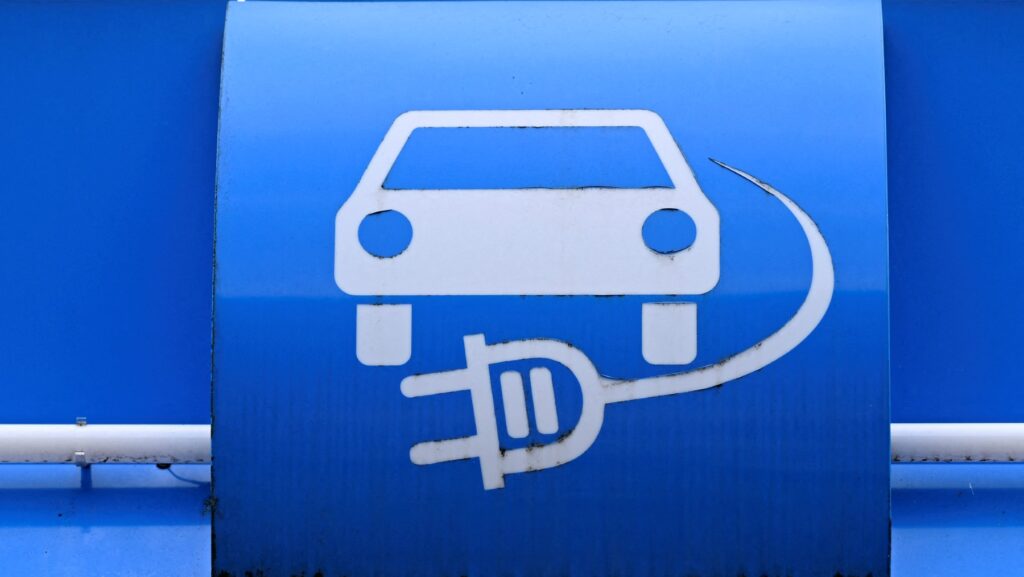
Germany’s massive investment in EV charging infrastructure was meant to accelerate the green transition. Instead, it has become a textbook case of cronyism, central planning, and the high cost of ignoring market signals.
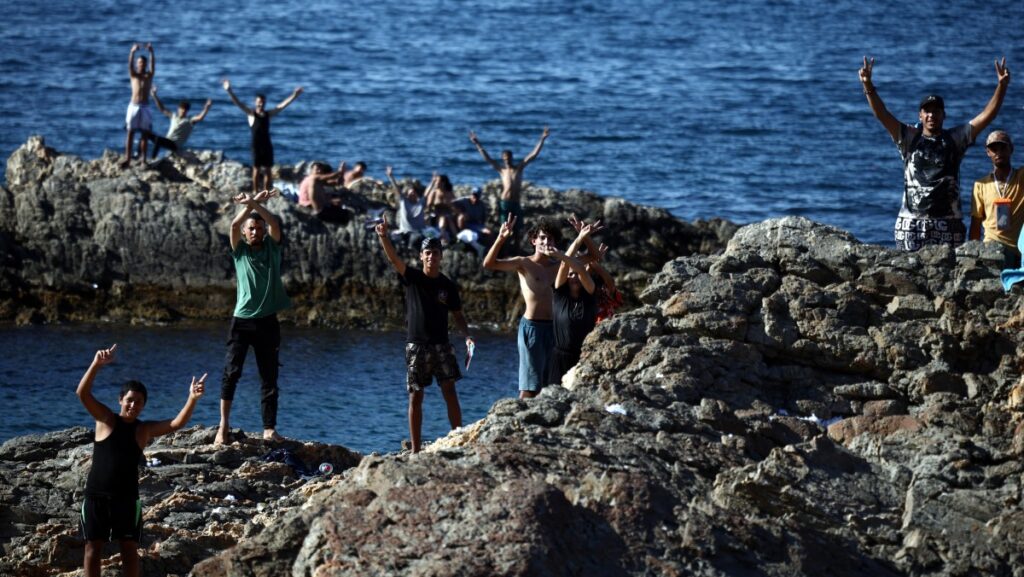
Europe may choose an extensive welfare state. It may choose extremely open immigration. But it cannot indefinitely maintain both without producing fiscal strain, political conflict, and declining public trust.
For the EU to overcome the energy challenges ahead, it cannot afford to abandon pragmatic solutions for the sake of dogmatic and rigid expectations.
Icelanders were offered a chair at the negotiating table. They looked at it. And decided they were perfectly comfortable standing.
Vikram-1’s success confirms India’s entry into the private launch market just as Europe fears it may be unable to meet projected demand by the end of the decade.
Brussels promises to reduce dependencies while Chinese companies gain ground in sectors that are essential to the European economy.
It’s not that European elites embrace the uninvited illegal aliens’ values. They just despise their own. A civilization ashamed of itself cannot ask others to assimilate into anything meaningful. And so they don’t.
Abolishing the veto will not create a common strategic interest where none exists. It will merely allow the majority to impose on individual countries decisions that those countries may regard as a threat to their own security.
Before Europe became a collection of nation-states, it was a civilization bound together by scholars, shared learning, and the pursuit of truth. As our capacity to communicate has expanded beyond imagination, the intellectual culture that sustained that world has steadily eroded.
Anti-politics has become the latest trending communication product, but if we denounce political experience as a sin and herald amateurism as a virtue, we pave the way for chaos.
Germany’s massive investment in EV charging infrastructure was meant to accelerate the green transition. Instead, it has become a textbook case of cronyism, central planning, and the high cost of ignoring market signals.
Europe may choose an extensive welfare state. It may choose extremely open immigration. But it cannot indefinitely maintain both without producing fiscal strain, political conflict, and declining public trust.
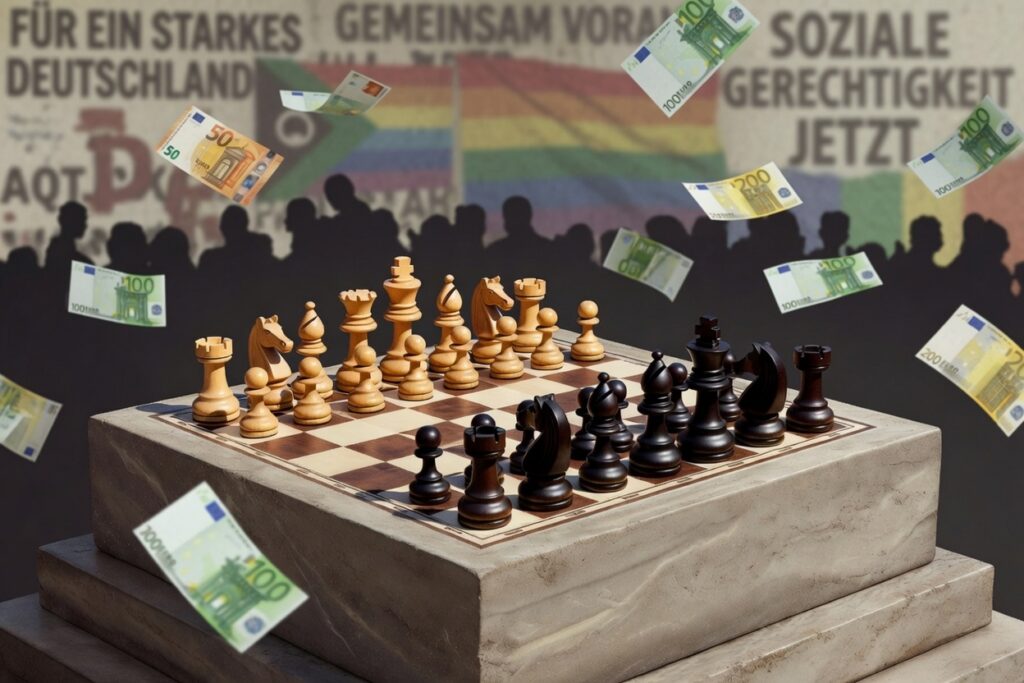
Democracy is not paradise, ideology, or a blank canvas for every political desire. It is a set of rules that demand restraint—and the humble recognition that we can be wrong.
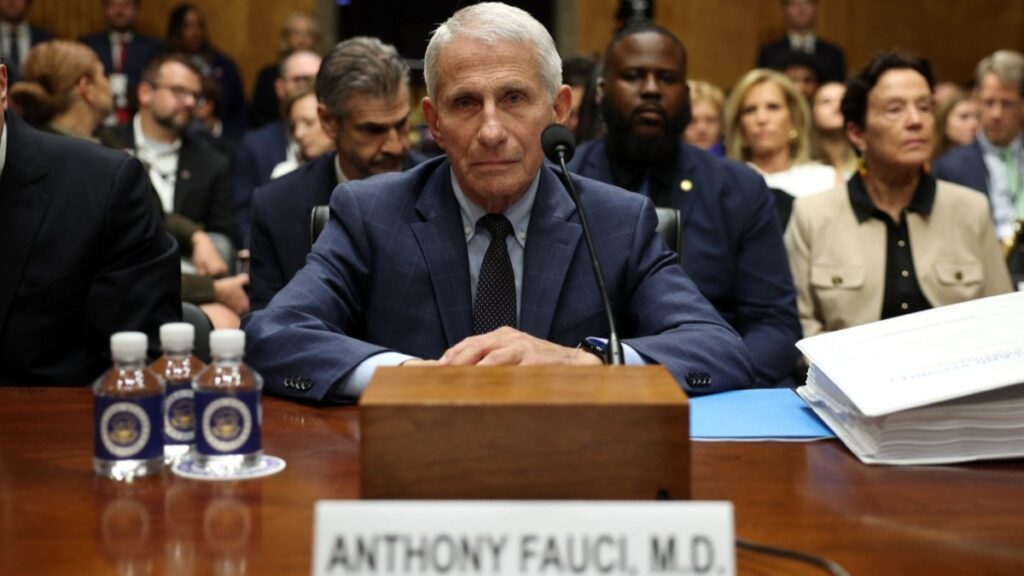
A scathing U.S. House of Representatives subcommittee report backs a probable laboratory origin for COVID-19, finds no quantitative basis for the six-foot rule, and argues that officials overstated the vaccines’ ability to prevent infection and transmission.