Brussels Is Playing Catch-Up on Rare Earths, and the Clock Is Running Out
A country that has halted exports as an act of foreign policy is categorically different from one that has not, and European law should reflect that distinction.

A country that has halted exports as an act of foreign policy is categorically different from one that has not, and European law should reflect that distinction.

By wielding his supermajority as a weapon, Péter Magyar has chosen the path of permanent escalation.

As Germany is losing its automotive edge, France and Italy are facing overcapacity, Spain is exposed by its role as a production platform, and China is advancing inside Europe’s own market.

In the choice between thriving capitalism and over-taxed regulatory hell, money speaks louder than Eurocratic political hype.

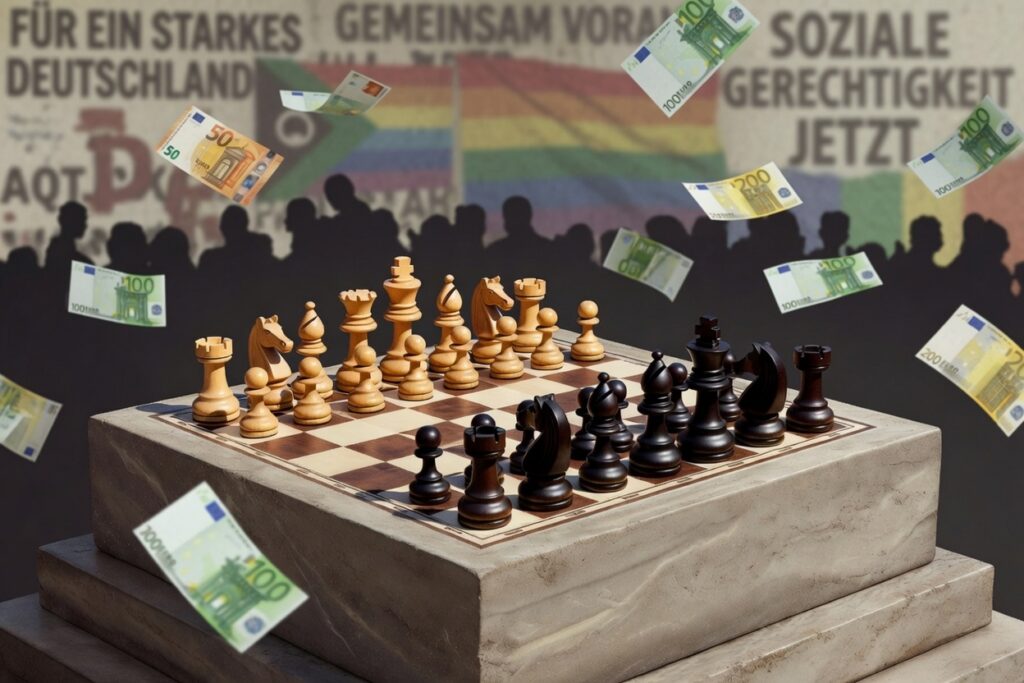
Brussels must ask whether its transparency rules still reflect where influence actually resides.

A committee established to defend democracy from manipulation has become the cheerleader for a system that treats democratic speech itself as a manipulable object.

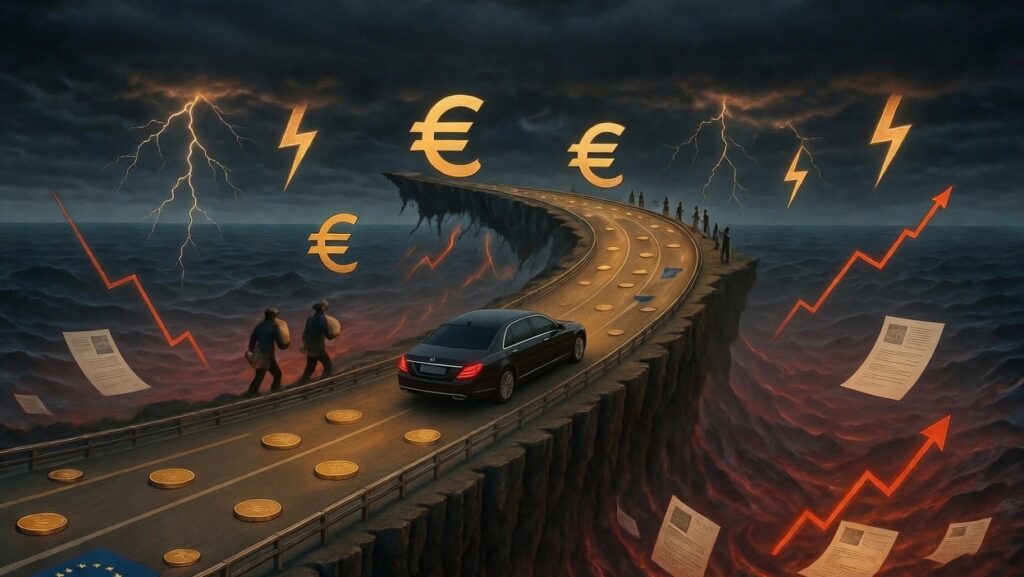
A small increase in the ECB’s policy-setting rates reveals worries about a much bigger threat to the European economy—even to the euro zone itself.

Both Reform UK and Restore Britain underperformed expectations, leading to a potential Andy Burnham premiership—a prospect that should concern anyone on the Right.

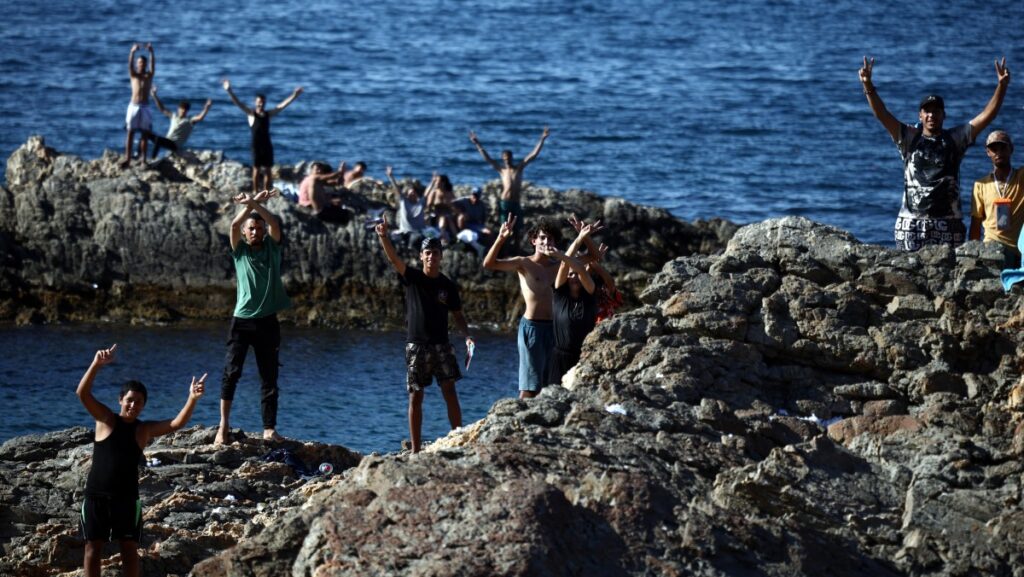
Is the EU really seeking full harmonization of benefits for illegal immigrants and asylum seekers? If so, the consequences for most member states will be fiscally catastrophic.

Europe is beginning to recognise that sovereignty is not merely a legal or political concept, as it also rests on the capacity to produce, innovate, and sustain economic power.
As Germany is losing its automotive edge, France and Italy are facing overcapacity, Spain is exposed by its role as a production platform, and China is advancing inside Europe’s own market.
In the choice between thriving capitalism and over-taxed regulatory hell, money speaks louder than Eurocratic political hype.
Brussels must ask whether its transparency rules still reflect where influence actually resides.
A committee established to defend democracy from manipulation has become the cheerleader for a system that treats democratic speech itself as a manipulable object.
A small increase in the ECB’s policy-setting rates reveals worries about a much bigger threat to the European economy—even to the euro zone itself.
Both Reform UK and Restore Britain underperformed expectations, leading to a potential Andy Burnham premiership—a prospect that should concern anyone on the Right.
Is the EU really seeking full harmonization of benefits for illegal immigrants and asylum seekers? If so, the consequences for most member states will be fiscally catastrophic.
Europe is beginning to recognise that sovereignty is not merely a legal or political concept, as it also rests on the capacity to produce, innovate, and sustain economic power.
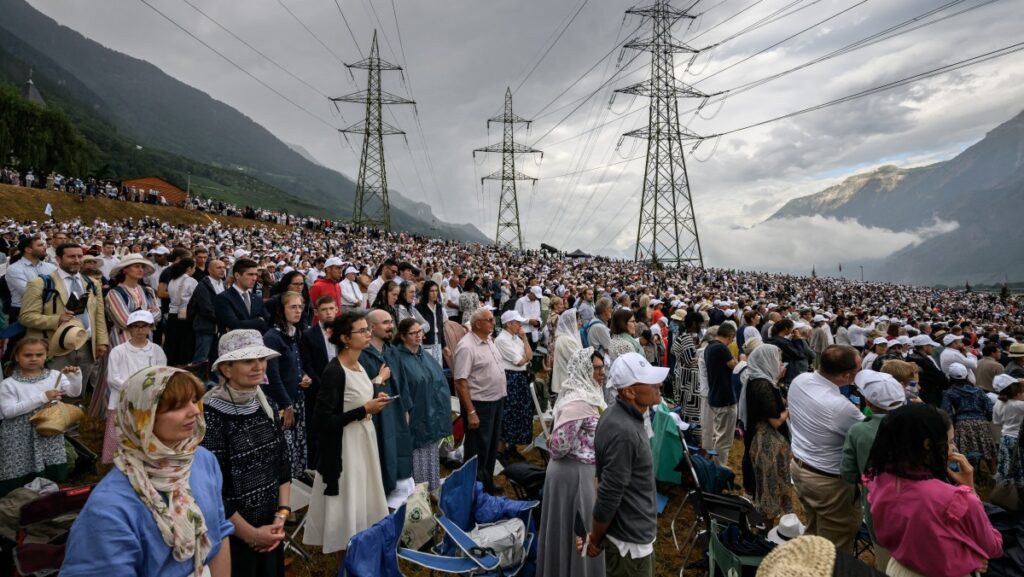
The question is not whether Leo XIV has spoken well. It is whether the institutional architecture exists for any temporal authority to answer, and whether any European institution has been authorised to ask the anthropological question the encyclical raises.
Can Ukraine sustain the costs of a long war of attrition against a larger opponent while preserving the demographic, economic, and social foundations of a viable post-war state?
A quick explainer on the EU’s landmark migration management legislation and why the European Right is not happy about it.
The European Central Bank’s latest rate hike is built on an inflation forecast that’s likely to prove far too modest.