
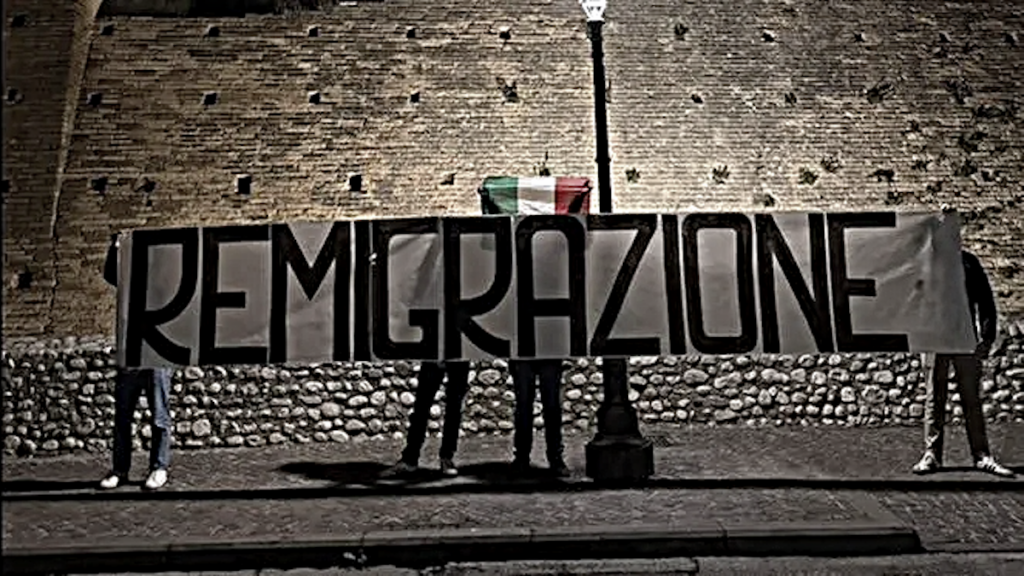
Remigration: Aimless or Soulless? The Italian Debate
Will Giorgia Meloni risk leaving remigration-centred concerns to parties to her right at a time when victory at the next general election doesn’t seem certain?

Will Giorgia Meloni risk leaving remigration-centred concerns to parties to her right at a time when victory at the next general election doesn’t seem certain?
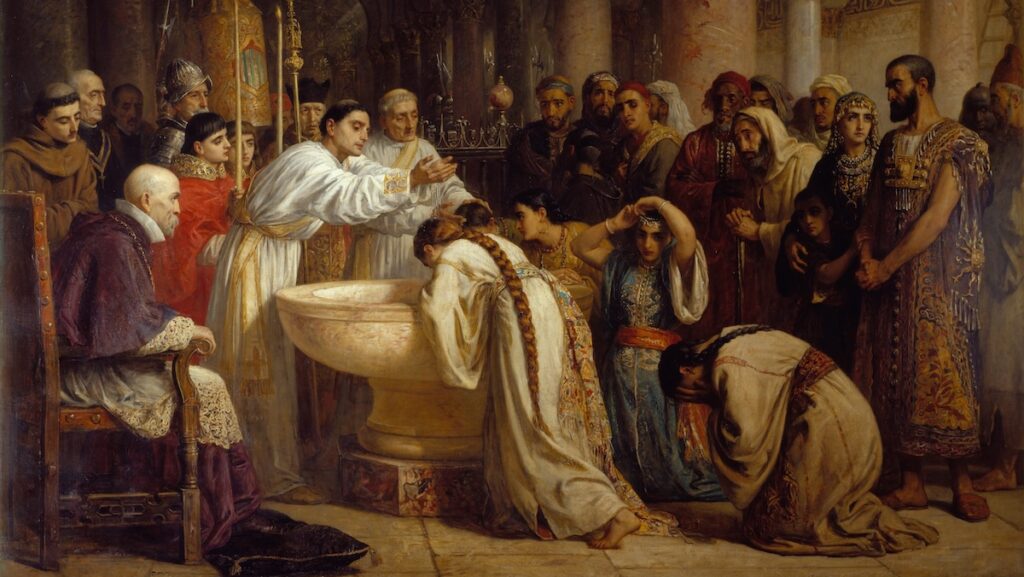
The urgent question for Europe is why are Muslims converting to Christianity in places where the faith is banned, persecuted, or heavily restricted—yet in open, tolerant Europe, with welcoming churches on every corner, many grow firmer in Islam and some even become radicalized?
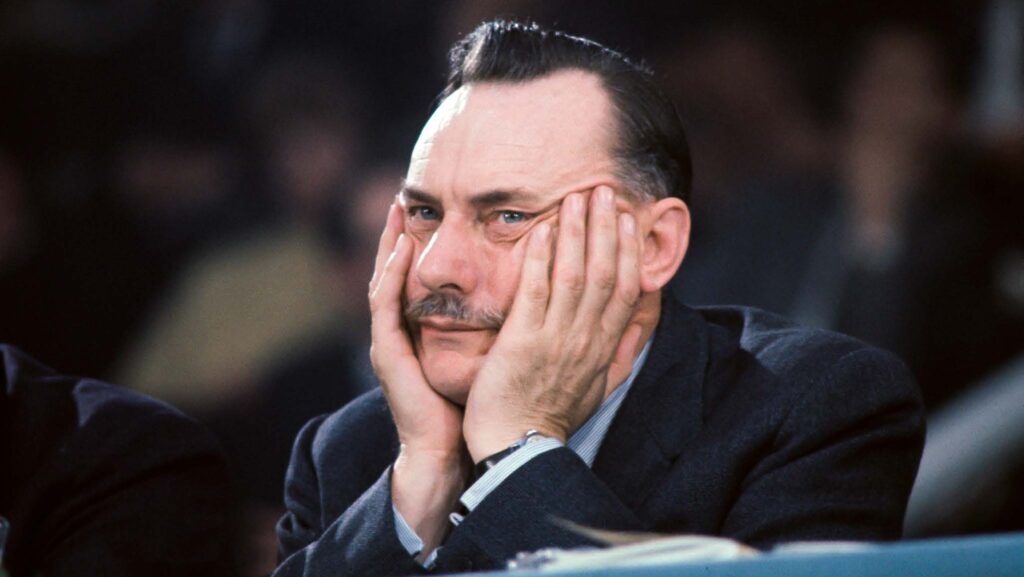
Today, the majority of Britons know in their hearts, though they dare not say aloud, that Enoch was right.
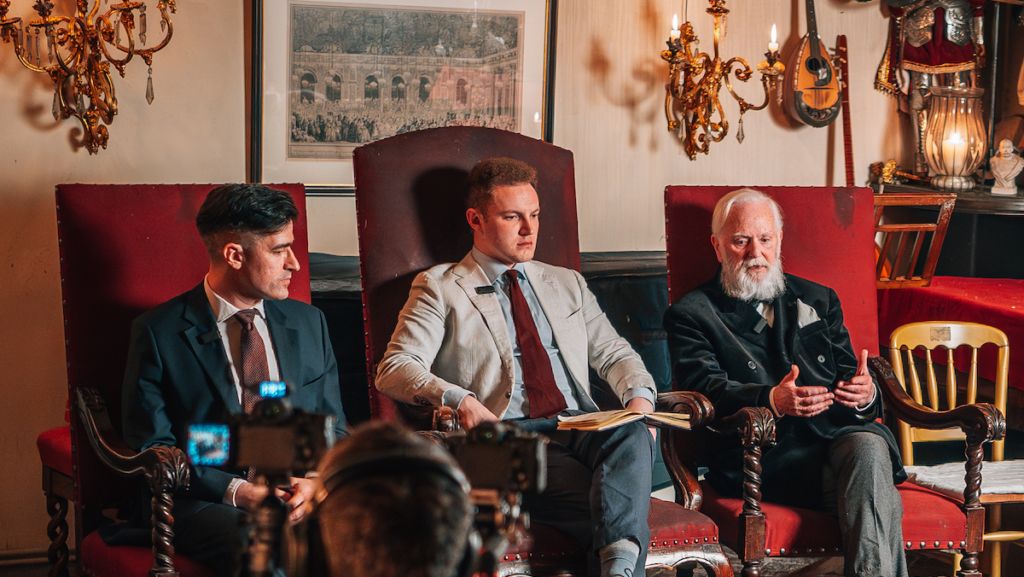
The Vienna discussion revealed something significant about the current European moment. Questions once confined to intellectual circles are increasingly entering the public sphere.
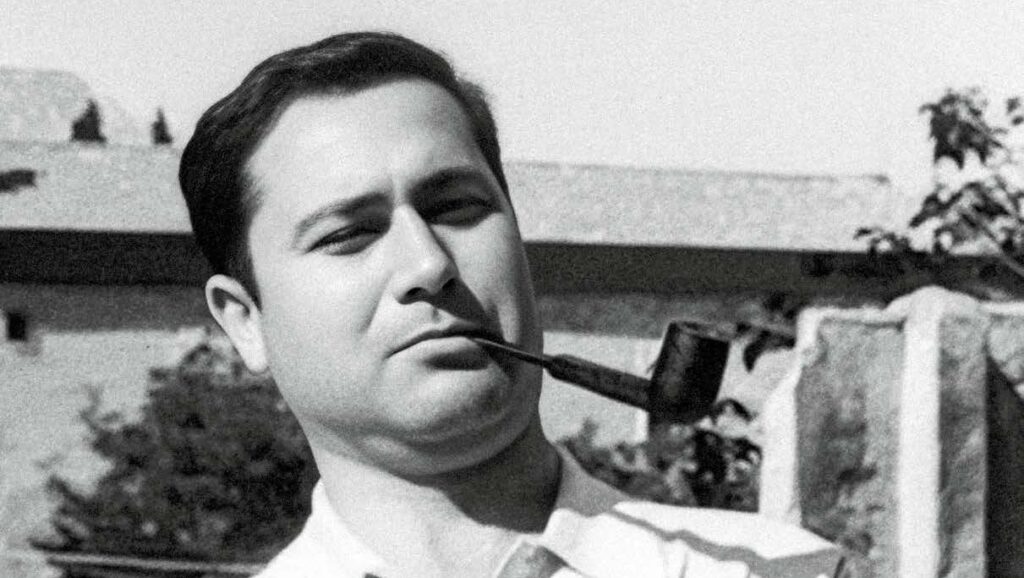
The work of Dalmacio Negro Pavón reveals that politics cannot be understood without anthropology: the various conceptions of humanity throughout history are not mere theories but paradigms that have shaped the lives of peoples and conditioned political thought.
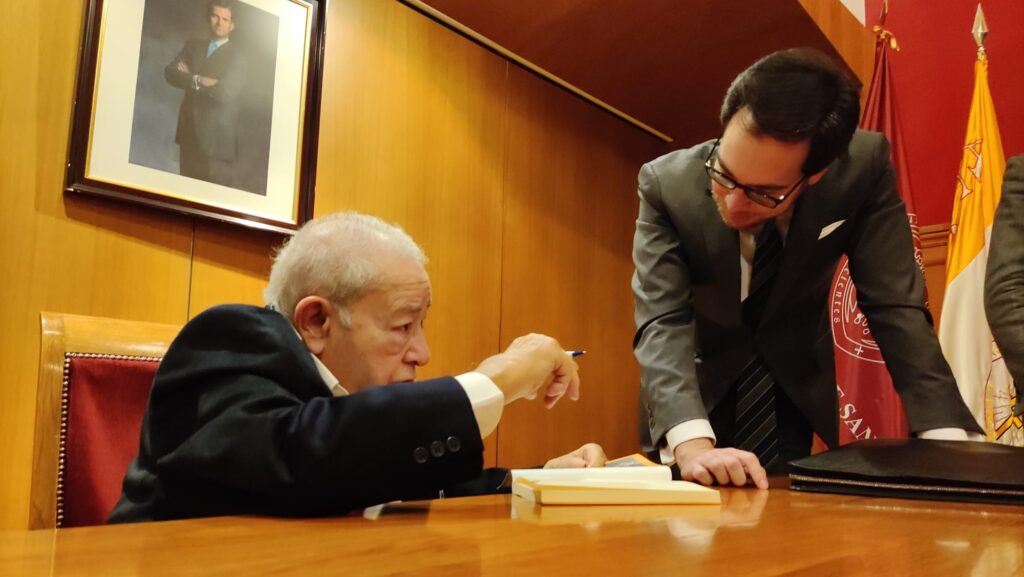
Don Dalmacio’s most enduring legacy was his commitment to truth. By his side, we learned that truth was unbearable and the search for it afflicts most people. Submitting to its demands exacts a toll. Yet, we have willingly paid it.
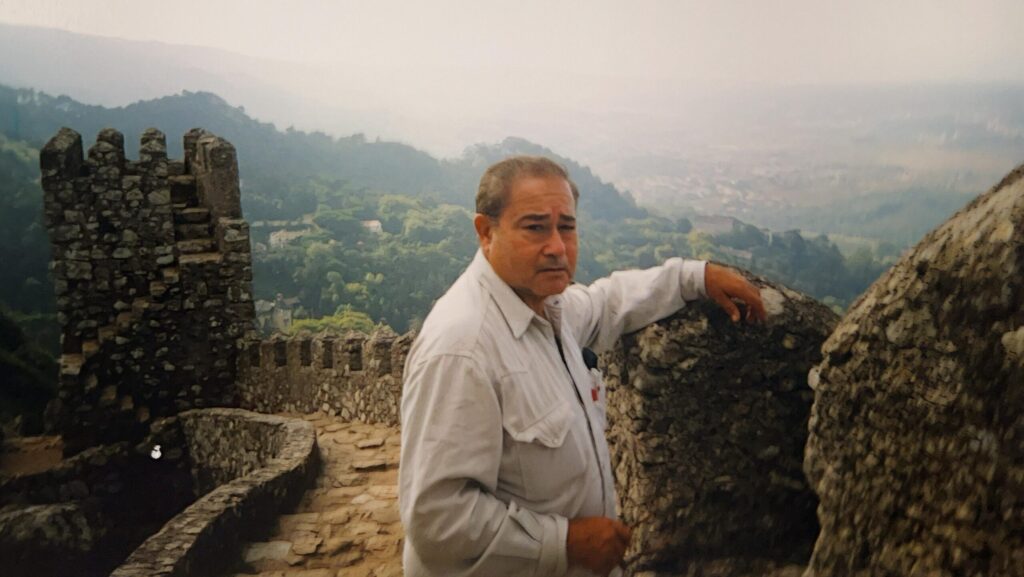
Attempting to expound someone else’s thought is always a high-risk endeavor. But since I recently declared Dalmacio Negro Pavón the most significant political thinker in Spain in recent decades, with all due caution, I will outline what I consider to be some of the interpretive keys to Negro Pavón’s thought.
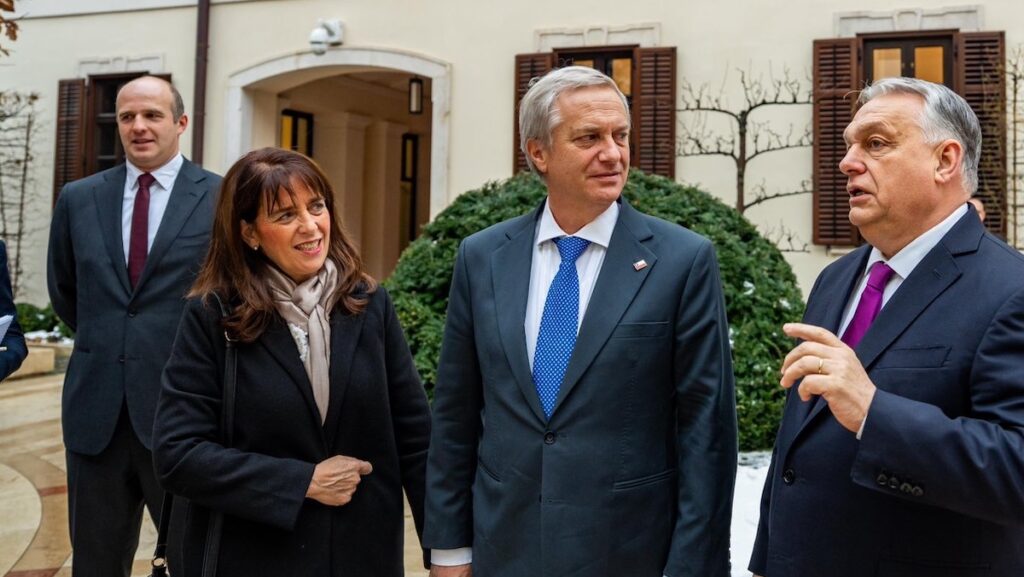
Hungary has faced challenges that resonate with current concerns in Chile: public security, migration control, social cohesion, and the tension between national sovereignty and supranational dynamics.
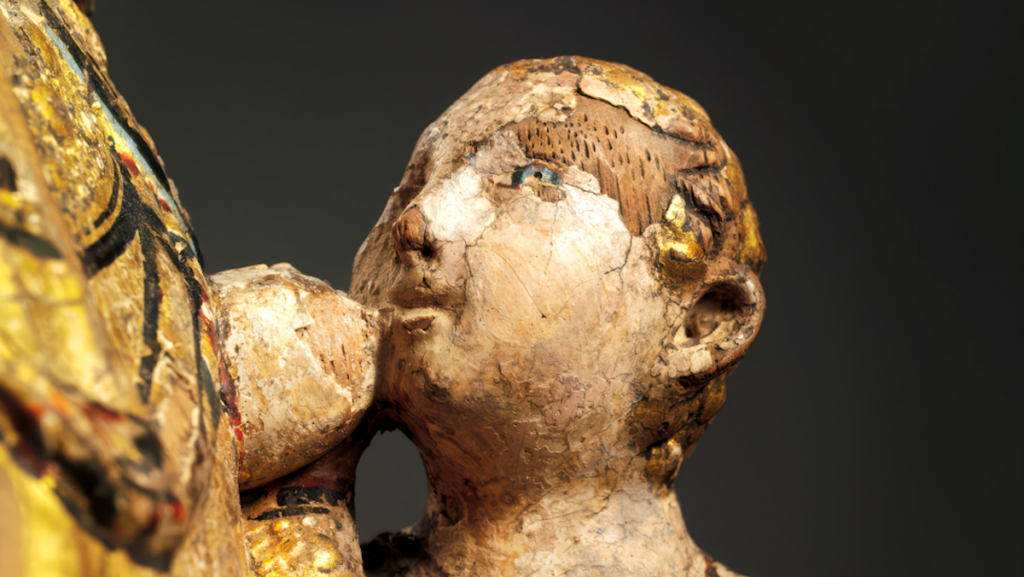
Those of a certain age will remember with fondness the celebrations of Christmas past, not in a ghostly fashion, but with the interior warmth of the brandy-soaked Christmas pudding.

I have spent my career debating Marxists of all shades. One small dose of Hegel and history is usually enough to sober them up. In our Gothic world of theoretical hallucinations, there is not even a chance of genuine debate. One must either consent to the hallucination or else shut up.
Will Giorgia Meloni risk leaving remigration-centred concerns to parties to her right at a time when victory at the next general election doesn’t seem certain?
The urgent question for Europe is why are Muslims converting to Christianity in places where the faith is banned, persecuted, or heavily restricted—yet in open, tolerant Europe, with welcoming churches on every corner, many grow firmer in Islam and some even become radicalized?
Today, the majority of Britons know in their hearts, though they dare not say aloud, that Enoch was right.
The Vienna discussion revealed something significant about the current European moment. Questions once confined to intellectual circles are increasingly entering the public sphere.
The work of Dalmacio Negro Pavón reveals that politics cannot be understood without anthropology: the various conceptions of humanity throughout history are not mere theories but paradigms that have shaped the lives of peoples and conditioned political thought.
Don Dalmacio’s most enduring legacy was his commitment to truth. By his side, we learned that truth was unbearable and the search for it afflicts most people. Submitting to its demands exacts a toll. Yet, we have willingly paid it.
Attempting to expound someone else’s thought is always a high-risk endeavor. But since I recently declared Dalmacio Negro Pavón the most significant political thinker in Spain in recent decades, with all due caution, I will outline what I consider to be some of the interpretive keys to Negro Pavón’s thought.
Hungary has faced challenges that resonate with current concerns in Chile: public security, migration control, social cohesion, and the tension between national sovereignty and supranational dynamics.
Those of a certain age will remember with fondness the celebrations of Christmas past, not in a ghostly fashion, but with the interior warmth of the brandy-soaked Christmas pudding.
I have spent my career debating Marxists of all shades. One small dose of Hegel and history is usually enough to sober them up. In our Gothic world of theoretical hallucinations, there is not even a chance of genuine debate. One must either consent to the hallucination or else shut up.
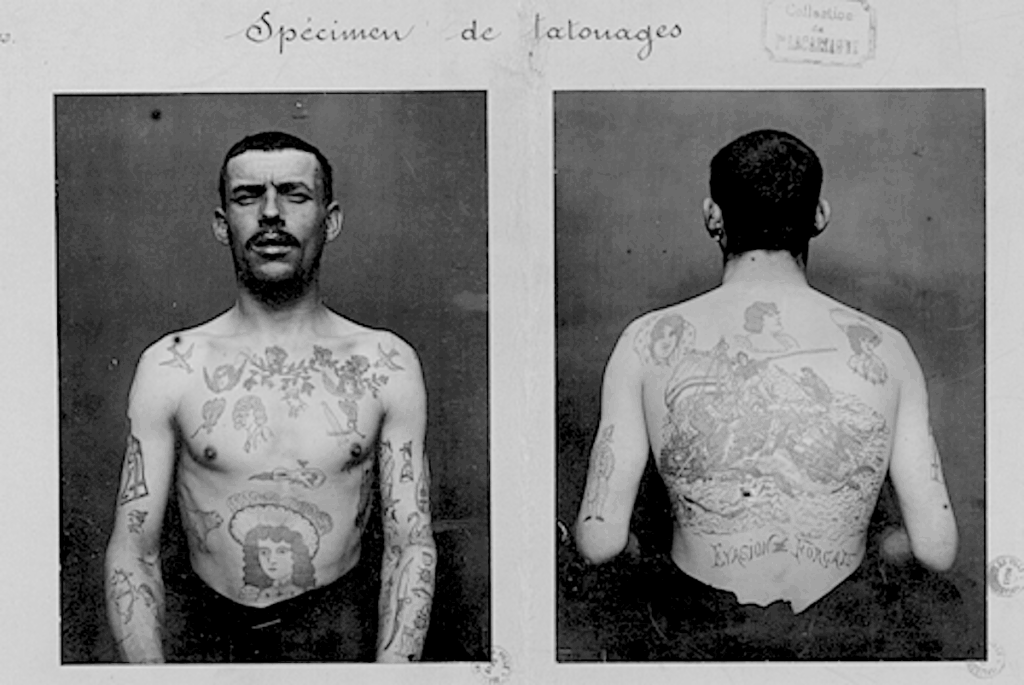
Alexandre Lacassagne, the French forensic pathologist who published a book on tattoos in 1881, would have been astonished at, and puzzled by, the explosion of elaborate and professional tattoos in the general population in the last three decades.

People often go to considerable trouble to make themselves ugly, or as ugly as possible. Nor is this simply a trait of rebellious youth that is trying to assert its independence and that will take the easiest route available to shock its elders. Now, perhaps for the first time, the ugliness of youthful rebellion has become inscribed deeply into society, virtually as the norm.