Brussels wants to cut poverty across the EU. It also believes that doing so could slow the rise of the Right.
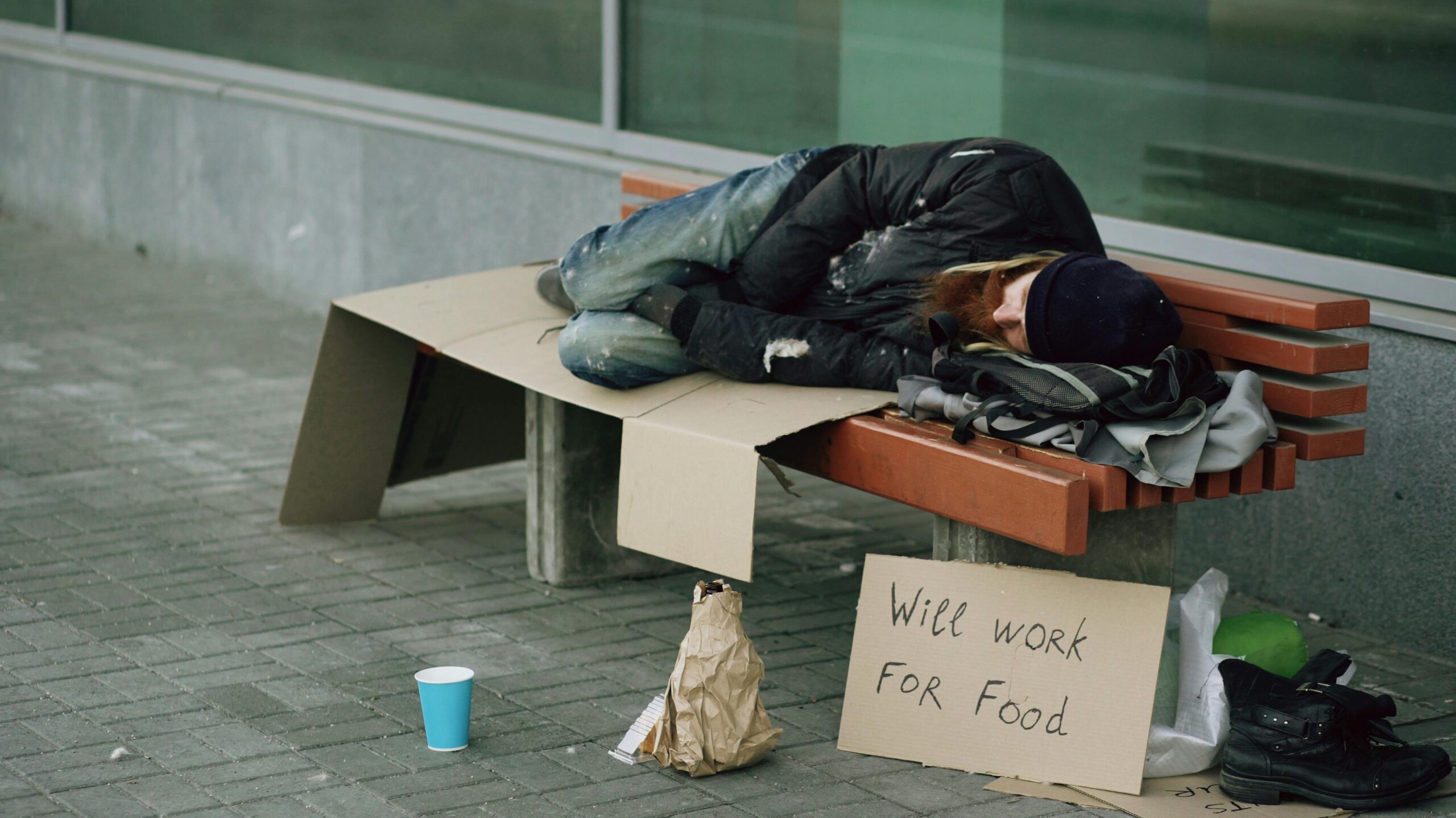
The European Commission is preparing a new anti-poverty strategy, urging governments to do more for struggling households. The timing is no coincidence. Across Europe, rising living costs are fuelling anger—and establishment figures say right-wing parties are turning that anger into votes.
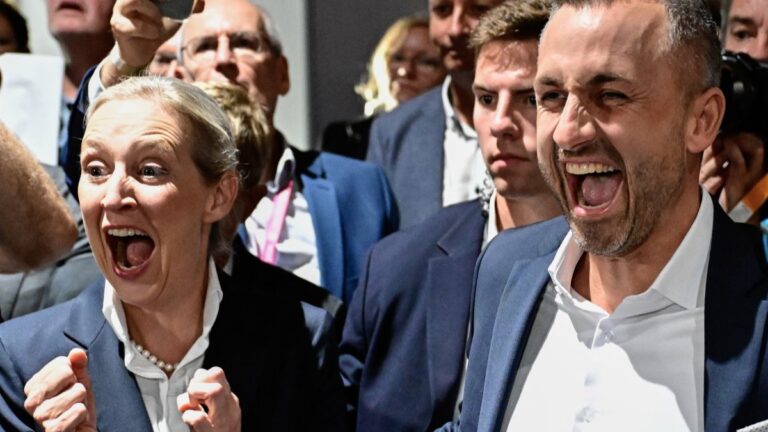
About one in five people across the EU are at risk of poverty or social exclusion, official figures from Eurostat show. That figure has barely improved in recent years. Meanwhile, elections in countries like Germany and France have seen right-wing parties gain ground by campaigning on housing shortages, falling living standards, and pressure on public services.
But that is only part of the picture—and treating it as the whole story is where the Commission goes wrong.
The EU’s argument is simple: ease financial pressure, and political discontent will ease with it. That assumption is neat, but reality is messier.
Support for right-wing and anti-establishment parties is not confined to the poorest. In many cases, it comes from working and middle-class voters who feel they are slipping backwards—losing stability, influence, and control over decisions that affect their lives.
This is not just about income. It is about trust, identity, and whether people feel their voices still matter.
Reducing that to a poverty problem is not just simplistic—it risks missing what voters are actually reacting to.
Migration, public safety, energy costs, and distrust of political elites all play a role. Economic pressure feeds into those concerns, but it does not replace them.
Yet the EU’s response remains narrowly focused.
The Commission insists the money is already there—potentially up to €100 billion in the next long-term budget—if member states use existing funds more effectively. The strategy leans on familiar tools: coordination, guidance, and better access to support.
But there is no new funding, no major rethink, and little reason to believe this approach will succeed where similar efforts have struggled.
At the same time, the political motive is becoming clearer. EU officials have openly linked the strategy to the need to “maintain faith” in the bloc and prevent further radicalisation.
That is where the problem sharpens.
Tackling poverty is a legitimate goal. But using it as a way to manage political outcomes is something else entirely.
If voters sense that social policy is being shaped not just to improve their lives, but to steer their behaviour, it risks deepening the very distrust Brussels is trying to contain.
And that is the contradiction at the heart of the strategy: a plan meant to rebuild trust that may instead confirm the suspicion that the system is trying to manage, rather than listen to, its voters.