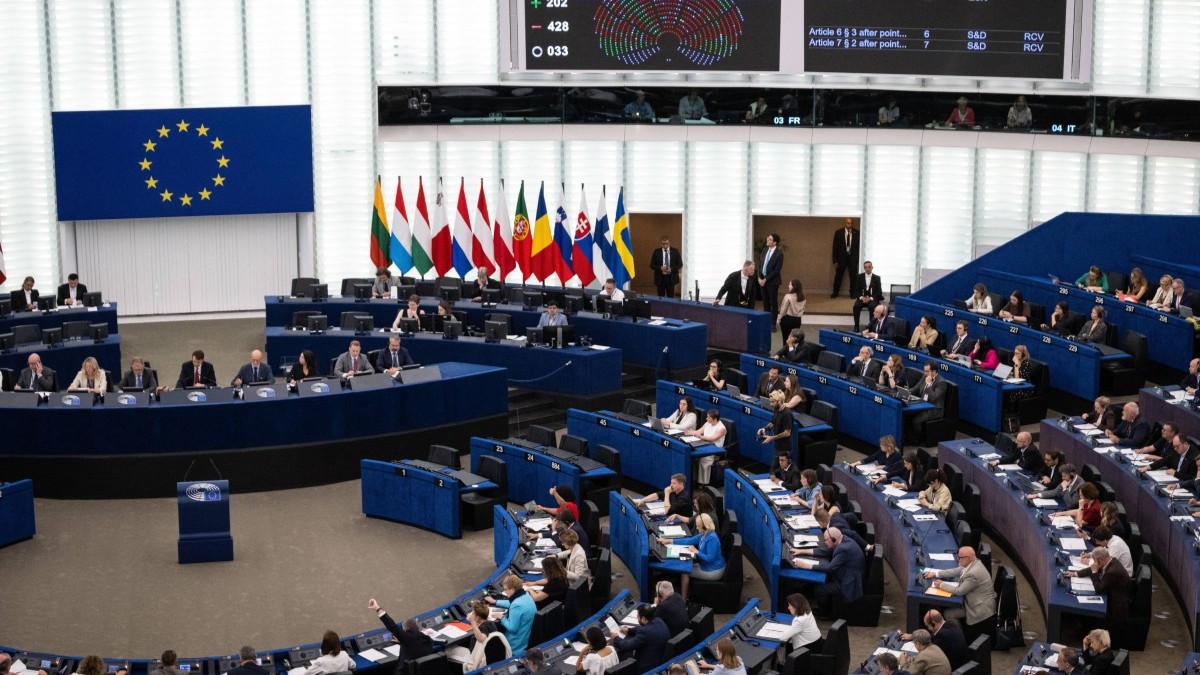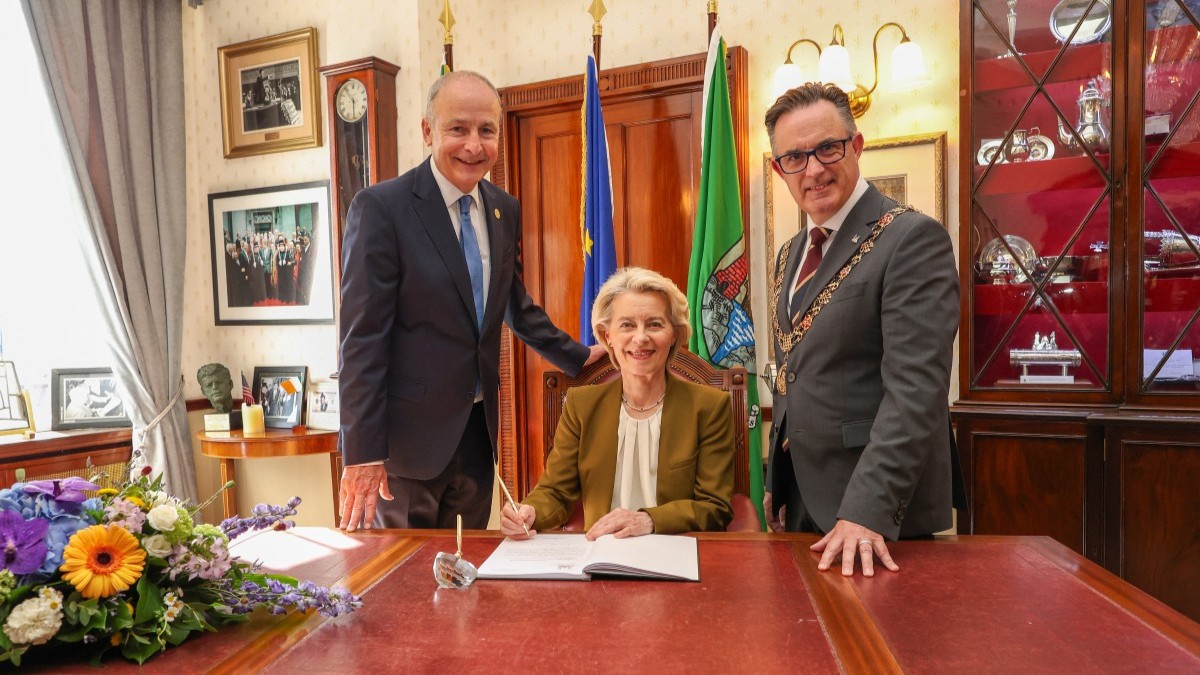
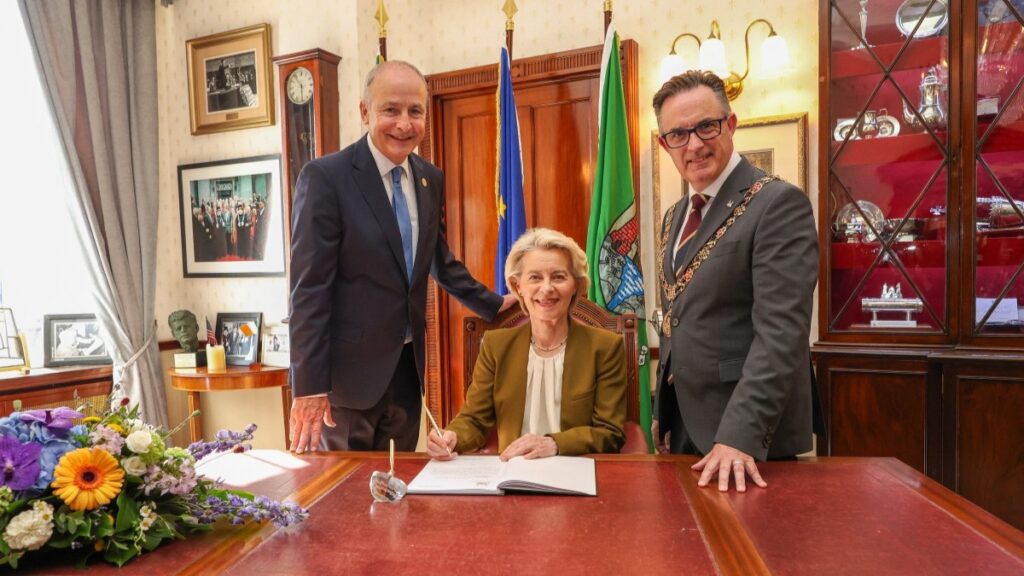
Ireland begins its EU Council presidency with security at the top of the agenda, while its longstanding military neutrality highlights the limits of its leadership role.
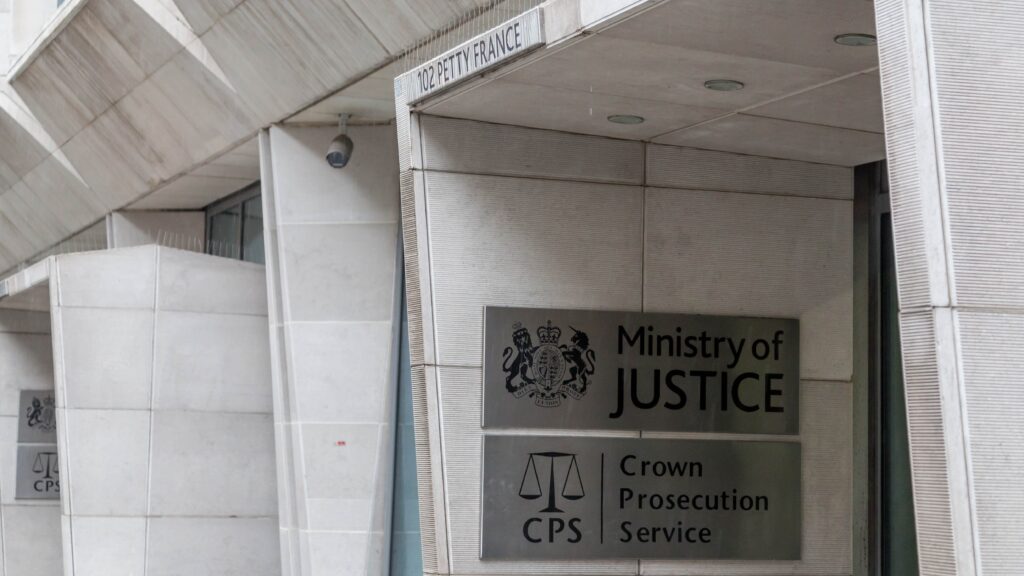
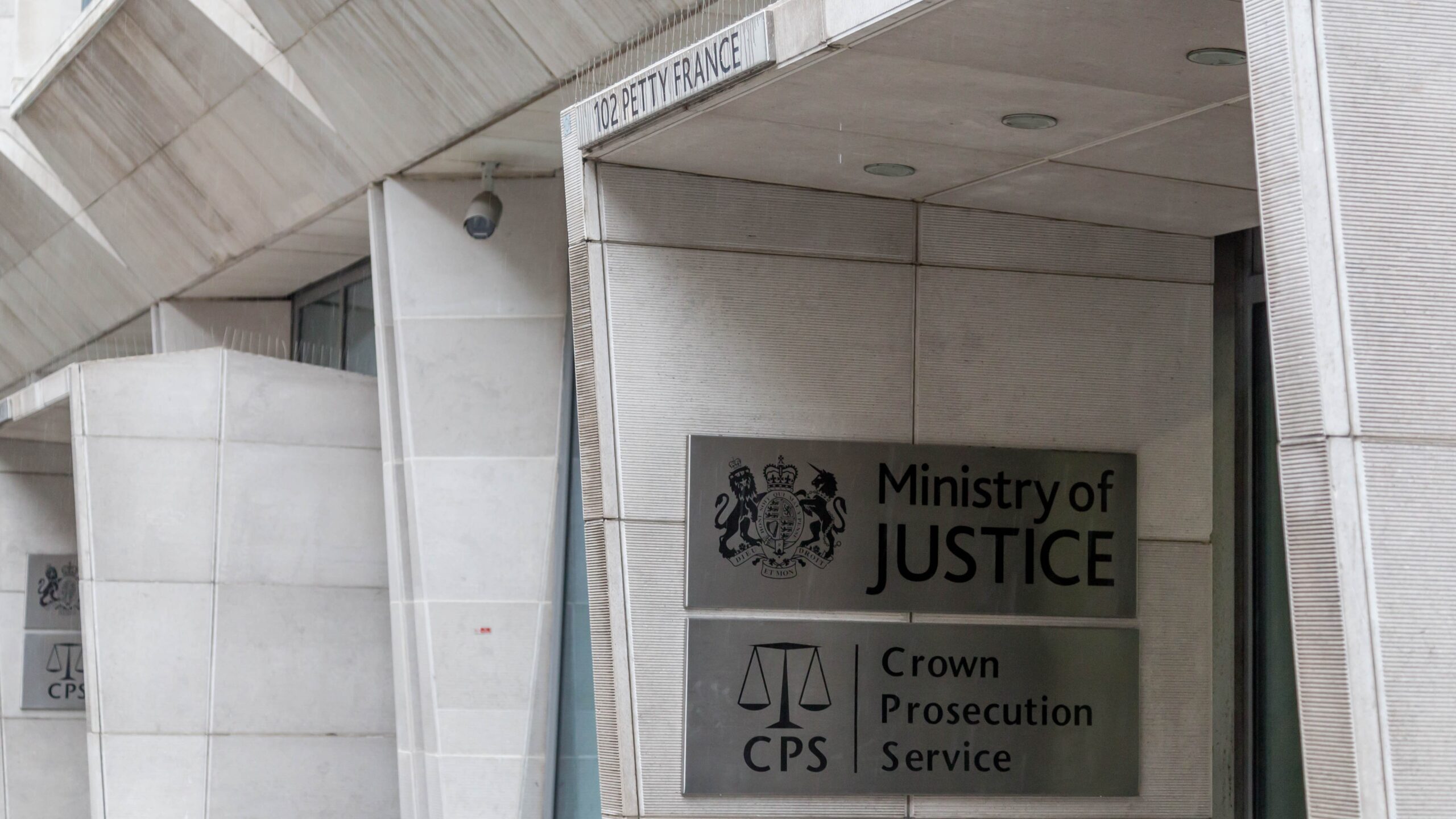
A completely tone-deaf Crown Prosecution Service guidance will require prosecutors to review their decisions involving ethnic minority defendants, as a two-tier, anti-white justice system is increasingly exposed in the UK.
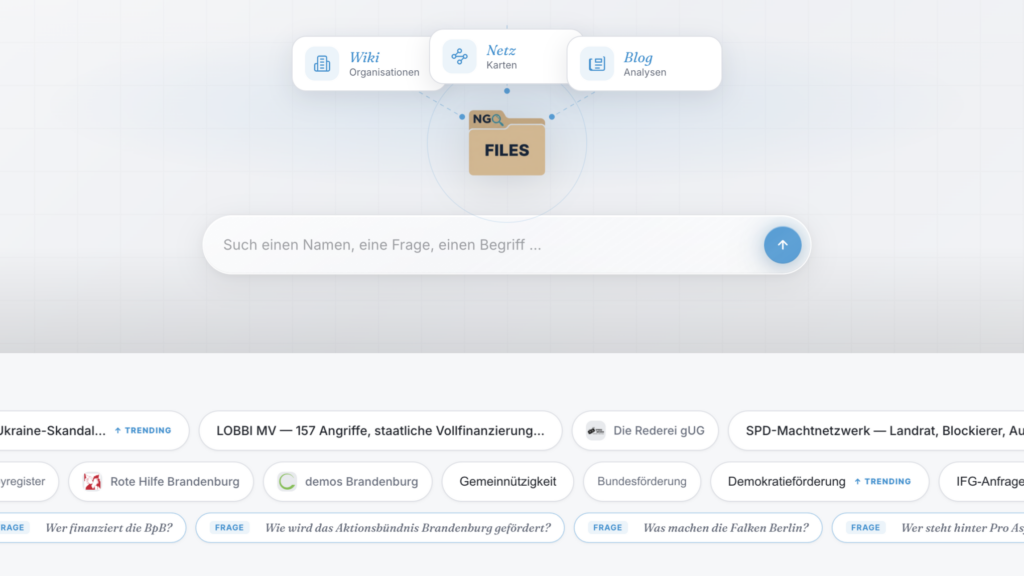
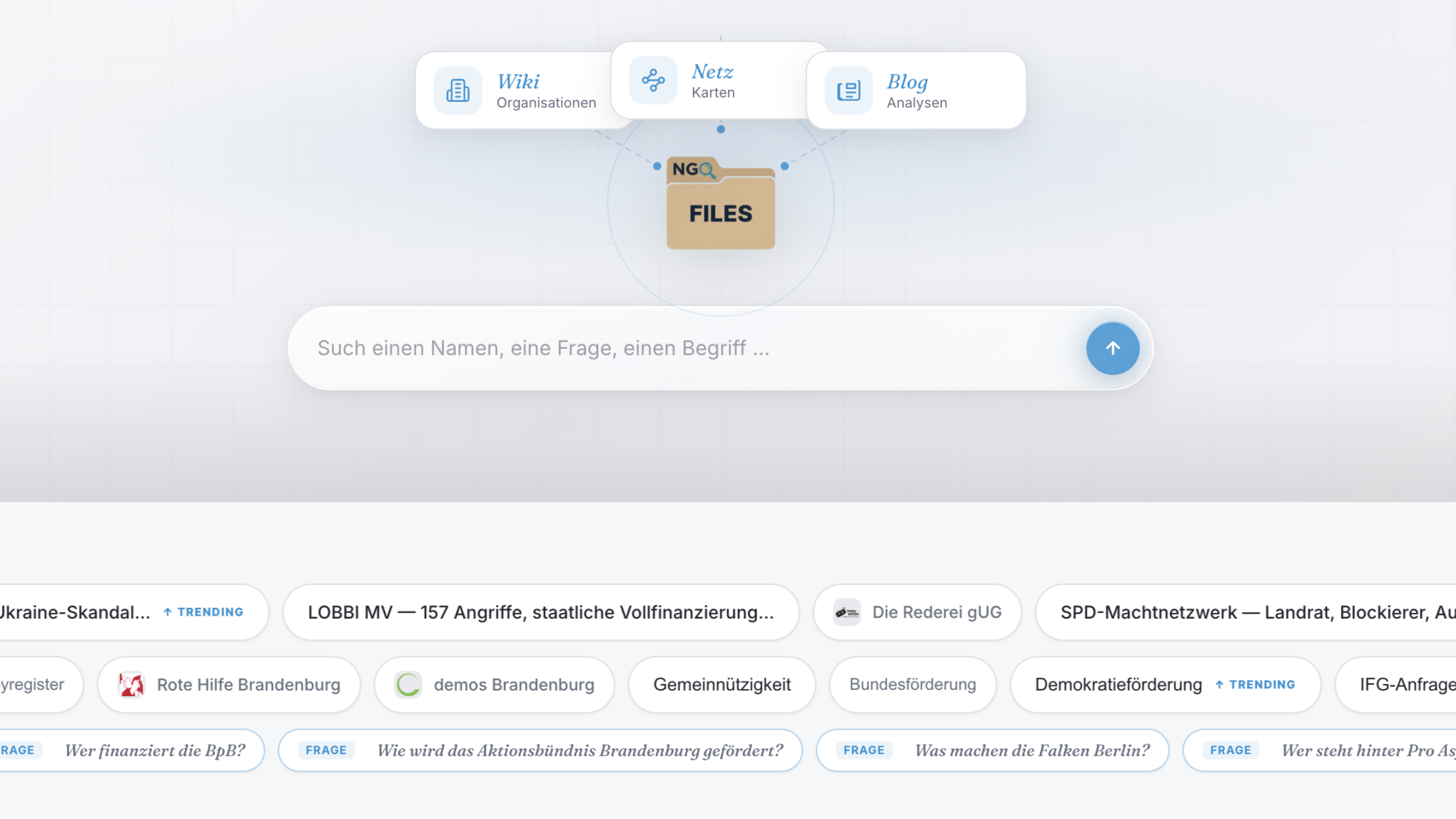
NGO-Files aims to map how public money flows to civil society groups, prompting debate over transparency, political influence, and state funding.

Strasbourg ordered Poland to pay €5,000 in damages after finding a child was left in legal uncertainty because of the registration refusal.

New sanctions targeting Russia’s military industry are being prepared as questions persist over whether economic pressure alone can end the war.
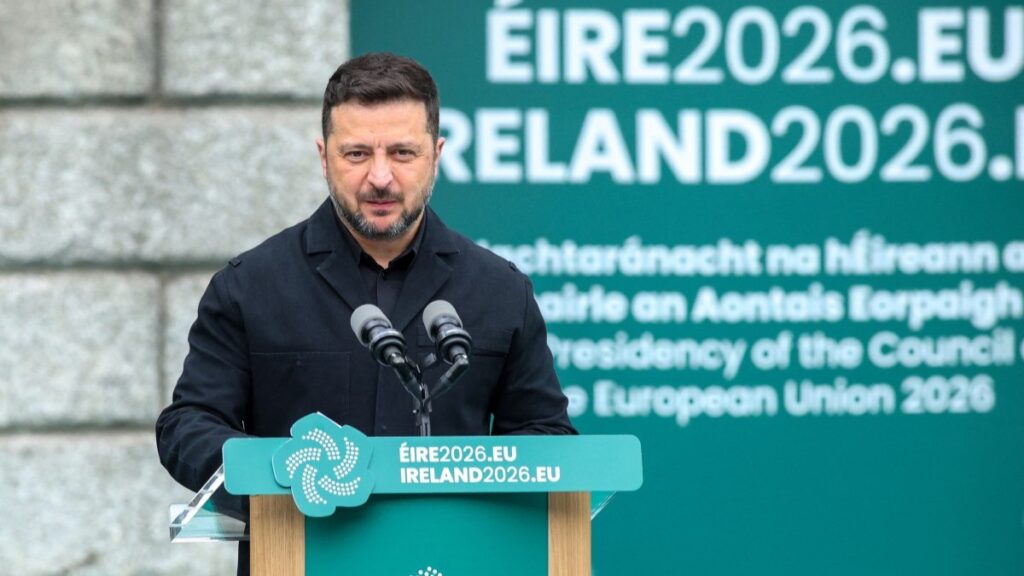
Kyiv wants trust, sanctions, and funding; Berlin responds with an indictment that could break years of diplomatic silence.
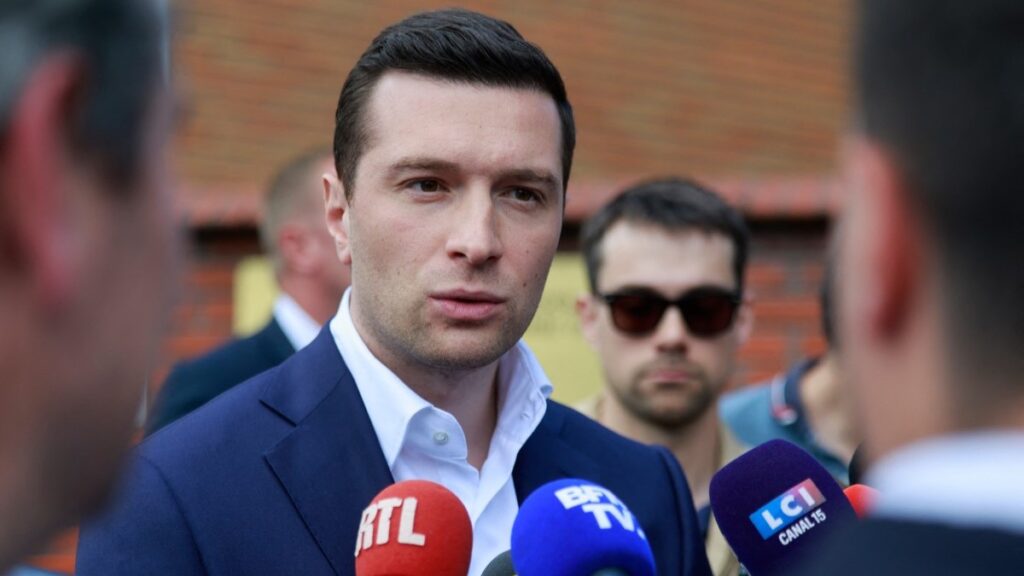
The police searches related to the alleged misuse of EU funds by the former ID group come as Jordan Bardella leads the polls ahead of the 2027 presidential elections.

The declaration is not legally binding, but its promoters see it as the first step towards an international instrument to abolish surrogacy.
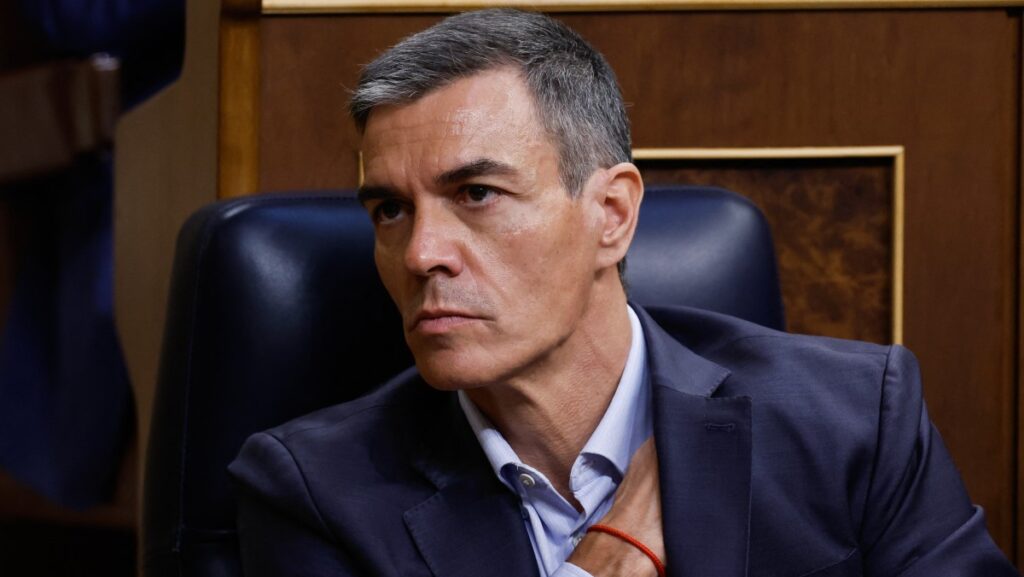
The Spanish prime minister claims immigration is essential to prevent long-term economic decline, even as more than one million illegal migrants apply for legal status.
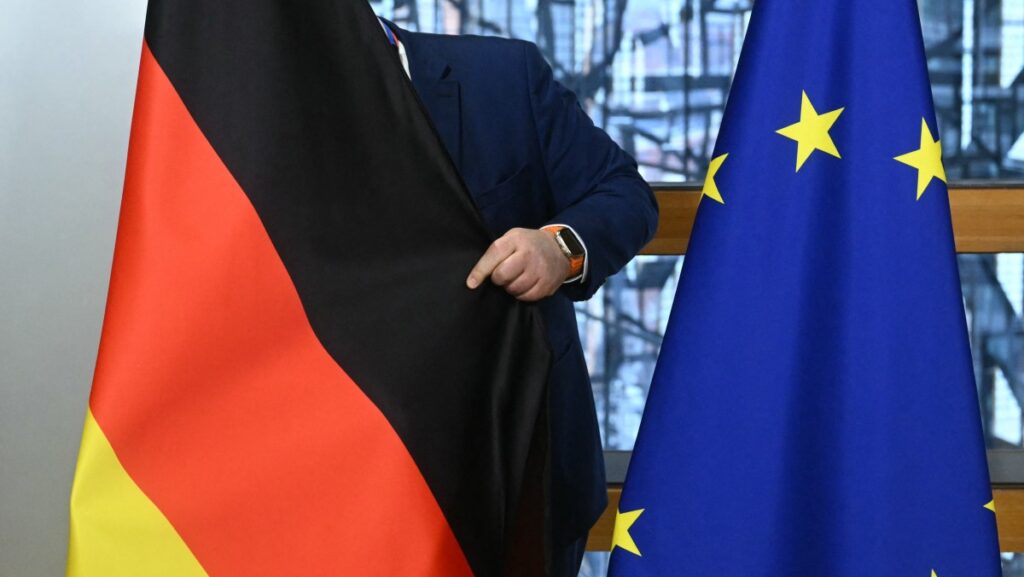
As Brussels pushes for its biggest budget yet, Germany is demanding cuts and reminding the EU that someone still has to pay the bill.
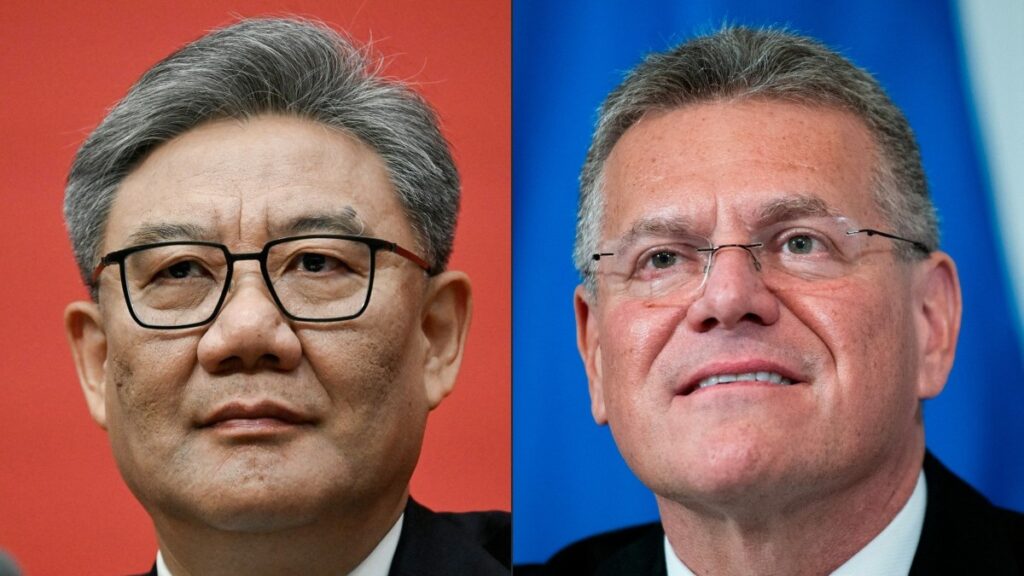
The EU and China will engage in consultations until October on trade deficit, export controls, intellectual property rights and the WTO reform–without Beijing having offered real concessions so far.
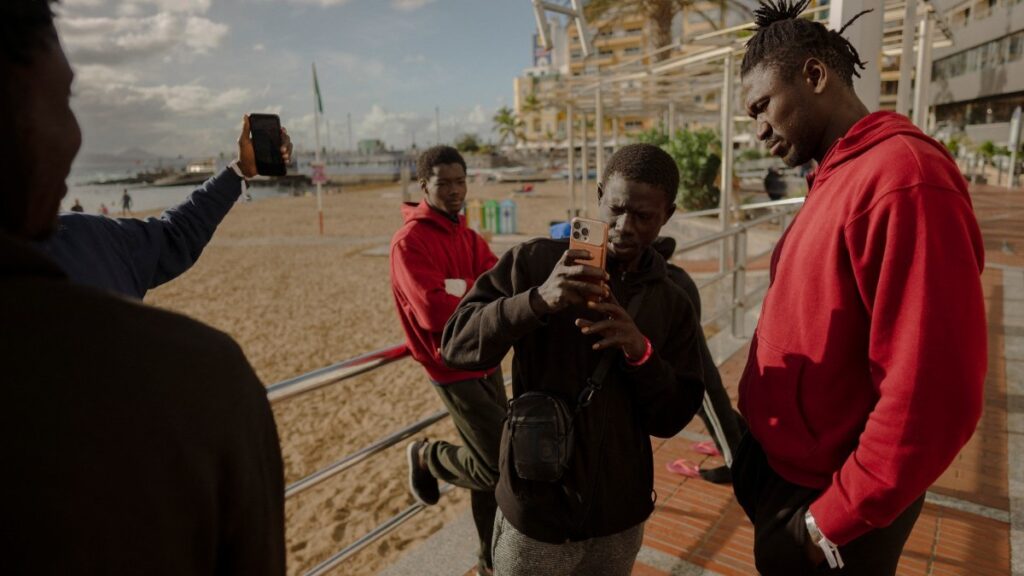
The migration ‘regularization’ process has already exceeded the government’s official forecasts, with more than 1.27 million applications compared with the half a million initially estimated by the government.