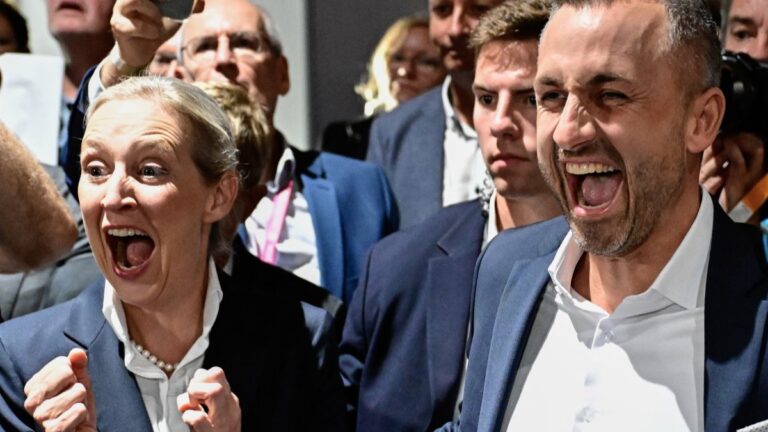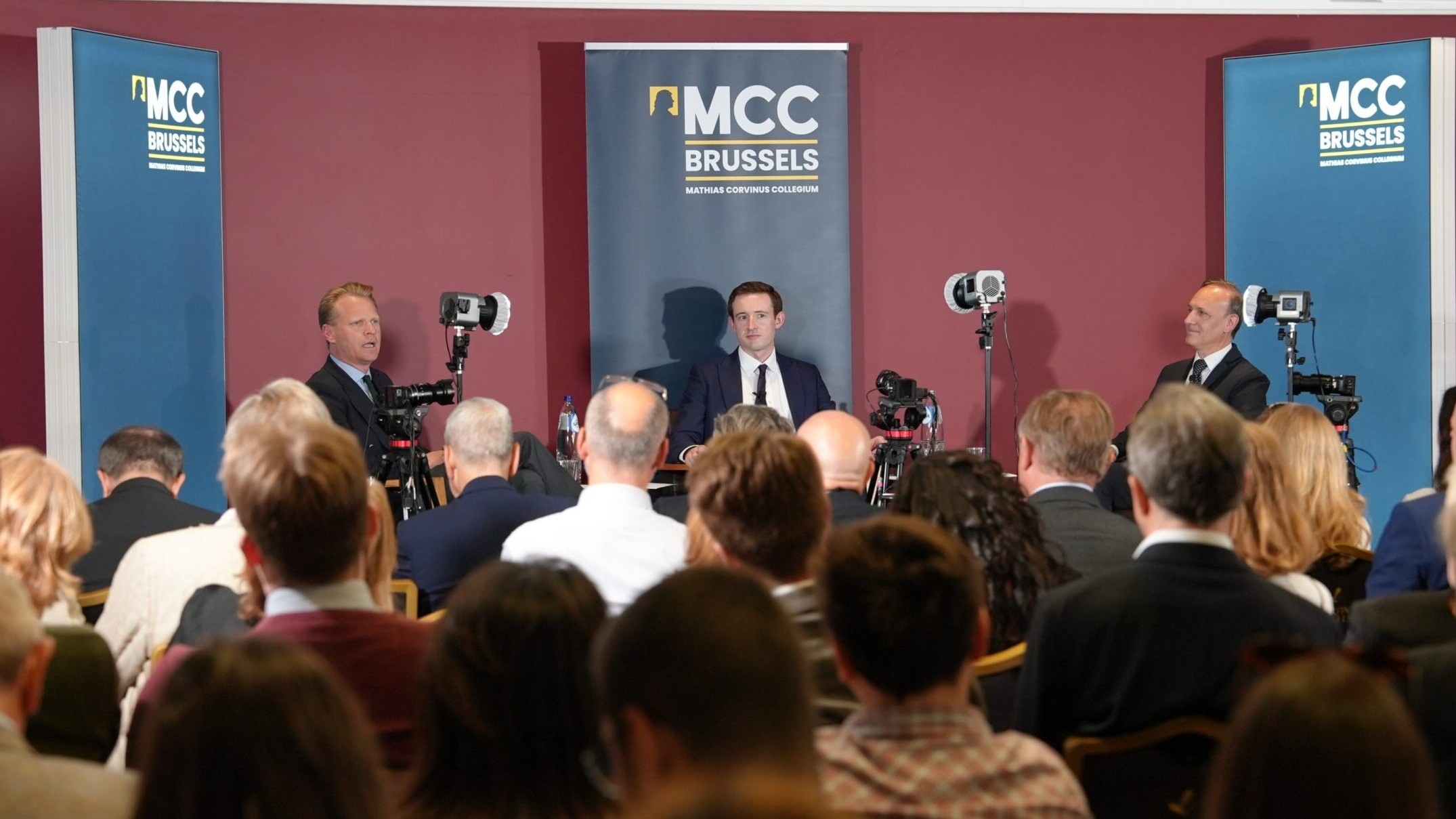
Tisza Party leader Péter Magyar’s victory in Hungary directly threatens MCC Brussels, the conservative think tank created four years ago in the European capital and closely linked to Viktor Orbán’s political circle.
The new prime minister has made it clear he intends to put an end to public funding for institutions associated with the previous government, among them Mathias Corvinus Collegium (MCC), the Hungarian foundation on which MCC Brussels depends almost entirely.
However, any attempt to dismantle the foundation could end up in the courts for years. Even voices critical of MCC acknowledge that the legal battle would be long and complex.
The issue, in reality, goes beyond money. MCC Brussels has become one of the few brains trusts in Brussels that has tried to document how the European Union’s political ecosystem really works.
Its best-known reports have focused on European funding for NGOs and organizations close to the Commission’s positions. MCC has argued that millions of euros of EU money ended up financing groups that then campaigned for more integration, more regulation and more power for the European institutions themselves.
That work ended up having results. After months of political and media pressure, the European Commission this year reduced part of the subsidies allocated to think tanks and NGOs aligned with the European federal project.
MCC has also published reports on Brussels’ digital regulation and on Europe’s energy vulnerability, questioning the concentration of power in the Commission and the external dependence created by European policies.
For that reason, even among its adversaries, there is a sense that MCC Brussels will not disappear. It may lose the direct support of Budapest, but not the political demand for the kind of discourse it represents. And that demand is growing, whether the Commission and its ecosystem like it or not.
John O’Brien, the think tank’s communications director, told europeanconservative.com that the organization will continue. “We are strengthening our capacity to offer a serious alternative to the increasingly centralized and federalist direction of the European Commission,” he said.
O’Brien insists that MCC Brussels’ future no longer depends solely on Hungary. “We are in the middle of a new wave of research and strengthening our capacity to provide a serious intellectual and programmatic alternative to the increasingly centralized and federalist direction of the European Commission,” he argues.
“From the very beginning they have tried to silence us,” he adds. “But we have continued to grow. We are building a European network of conservative and patriotic thinkers. We are not going anywhere.”