
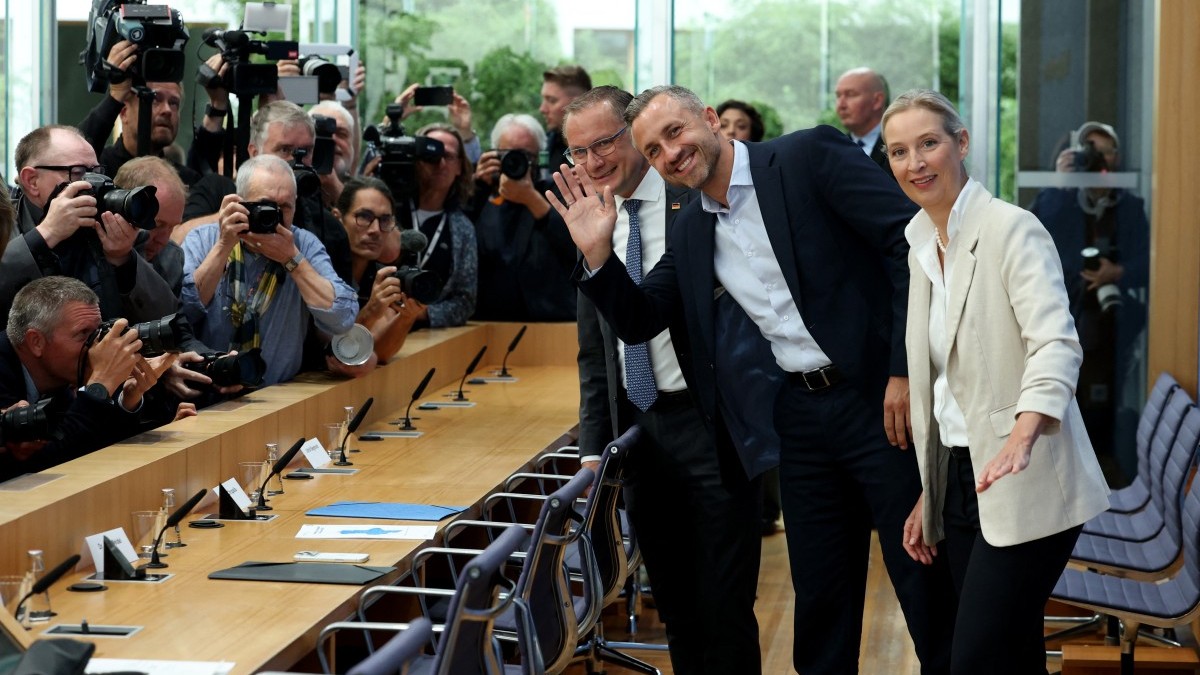
AfD Moves Within Reach of Power, BSW May Be Kingmaker in Saxony-Anhalt
Five years of political isolation, institutional pressure, and debate over banning the party have failed to halt the AfD, which rose from 20.8% to 43.8% in Sunday’s election.

Five years of political isolation, institutional pressure, and debate over banning the party have failed to halt the AfD, which rose from 20.8% to 43.8% in Sunday’s election.
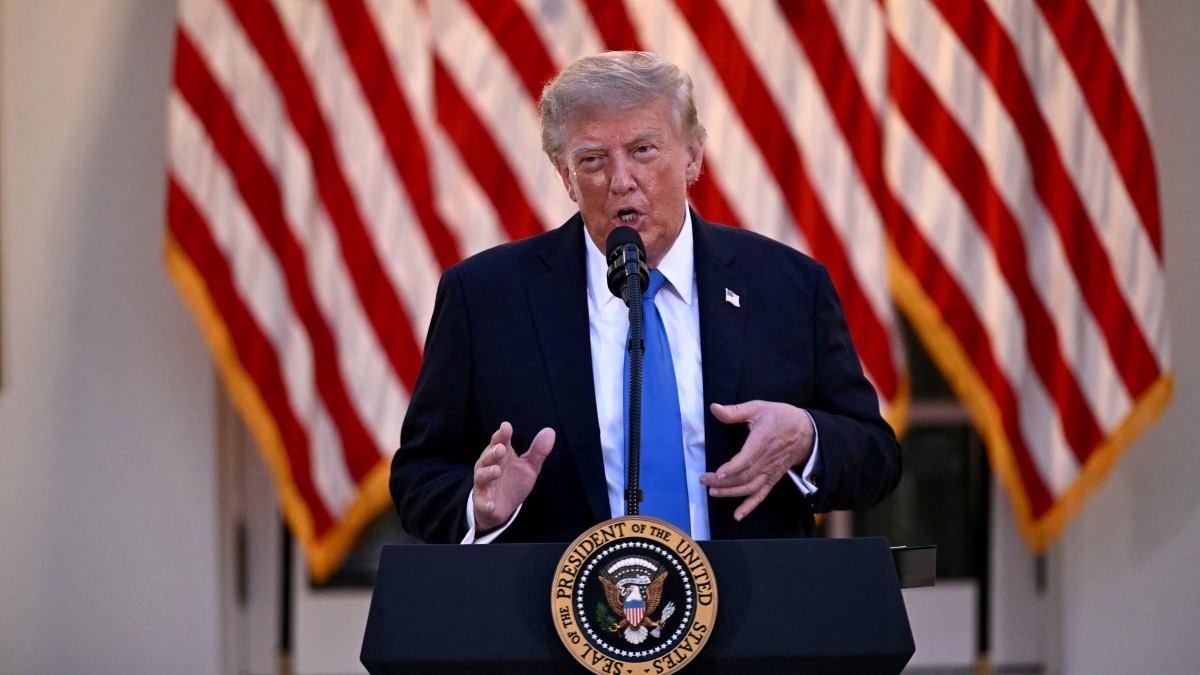
As Morocco has once again laid claim to the Spanish enclave, and Sánchez is trying to contain tensions with Rabat, the U.S. president lashed out at the Madrid government in an interview.

Polls put the party at 42%, twenty points ahead of the CDU.
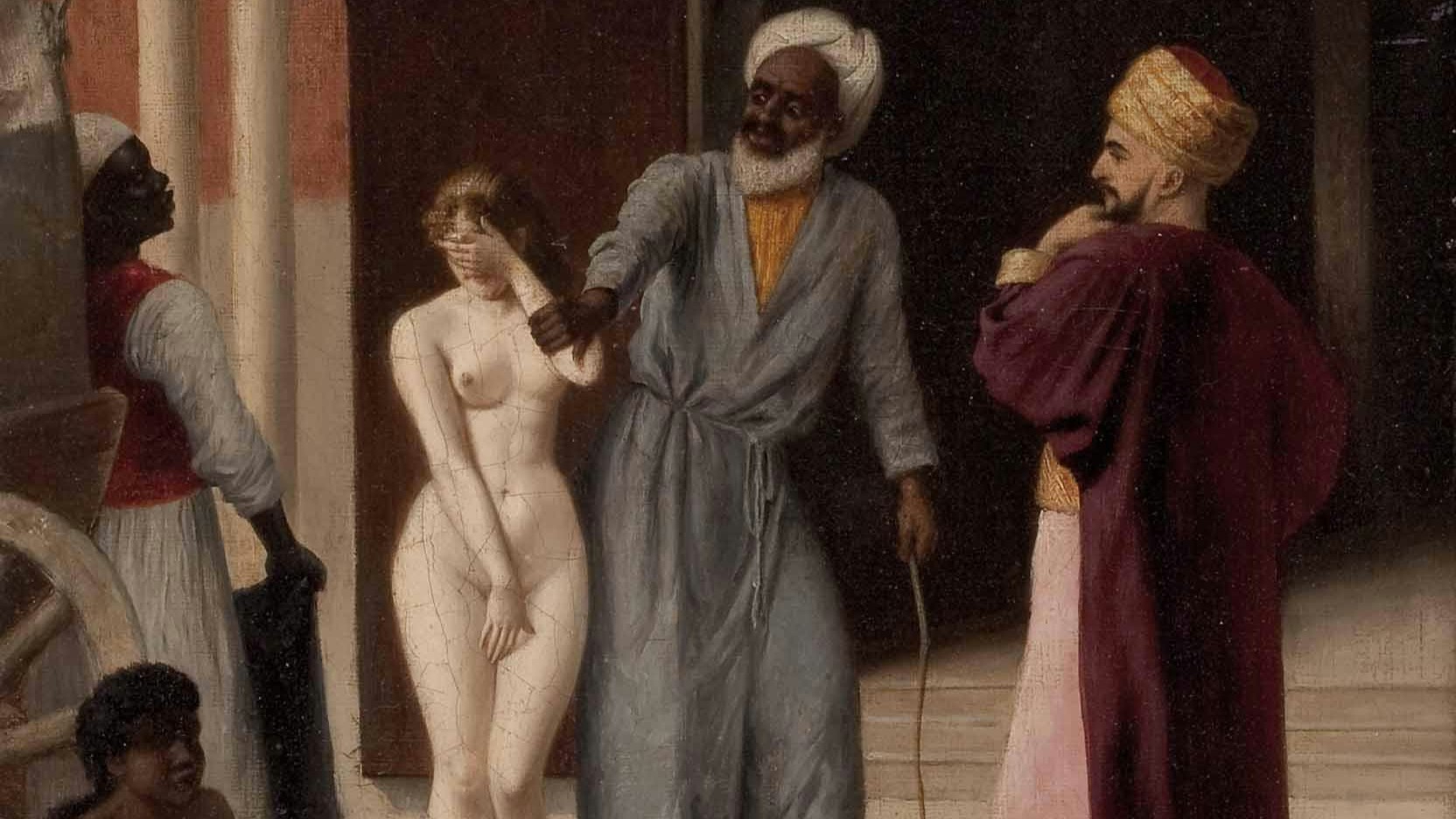
The United Nations seems to be hell-bent on establishing a hierarchy of historical atrocities, singling out ‘guilty’ white Europeans.
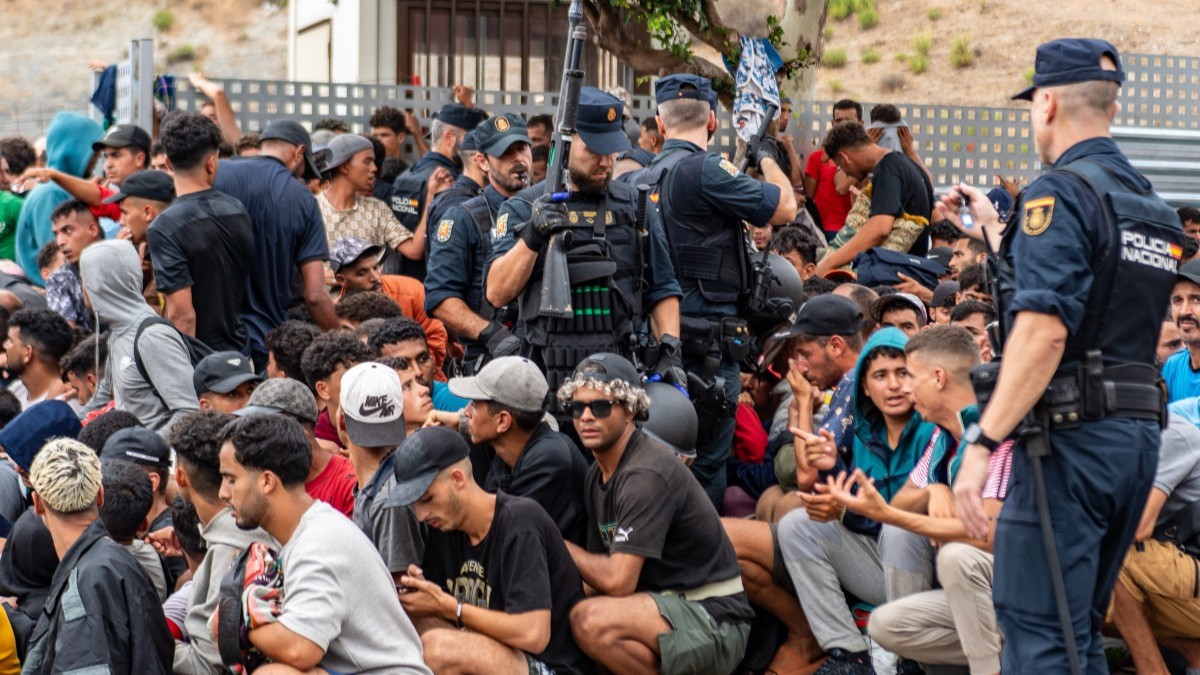
A leaked report says uniformed and plainclothes members of Morocco’s security forces directed the mass entry on July 30, contradicting the version defended by Pedro Sánchez throughout the crisis.
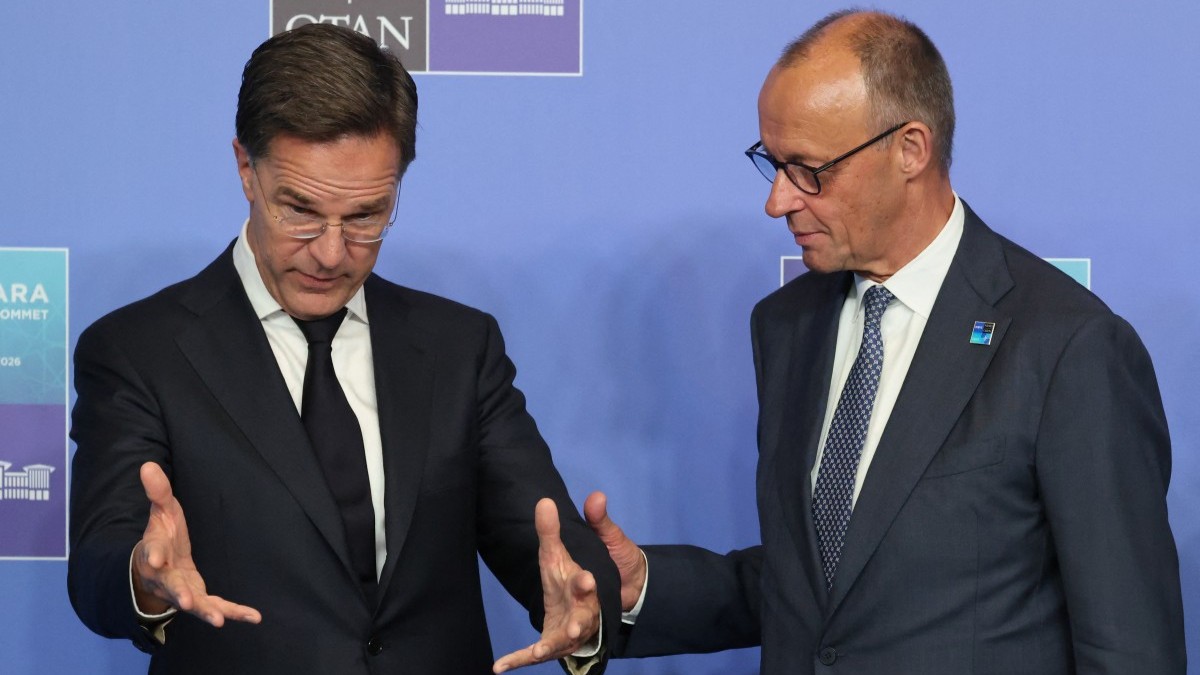
NATO says the evidence is “clear” and is preparing a coordinated response barely a week after the CIA director’s trip to Moscow.
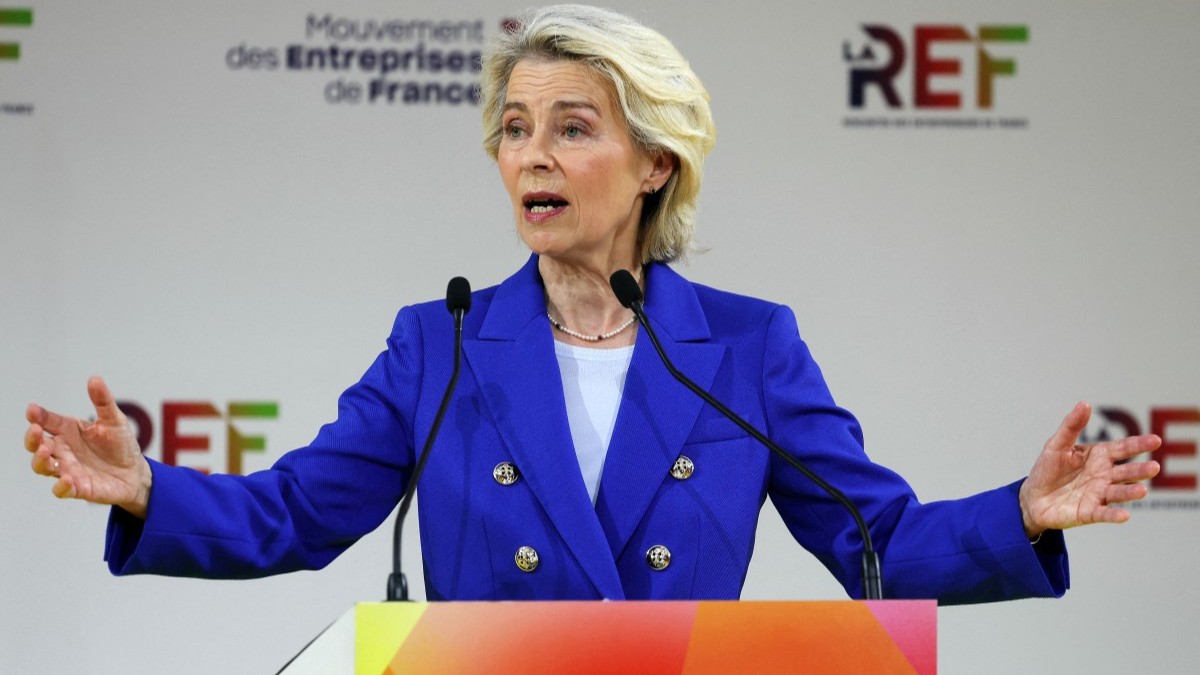
Von der Leyen wants to mobilize the €10 trillion households keep in bank deposits as the EU looks for hundreds of billions more every year to finance competitiveness, defence and the green transition.
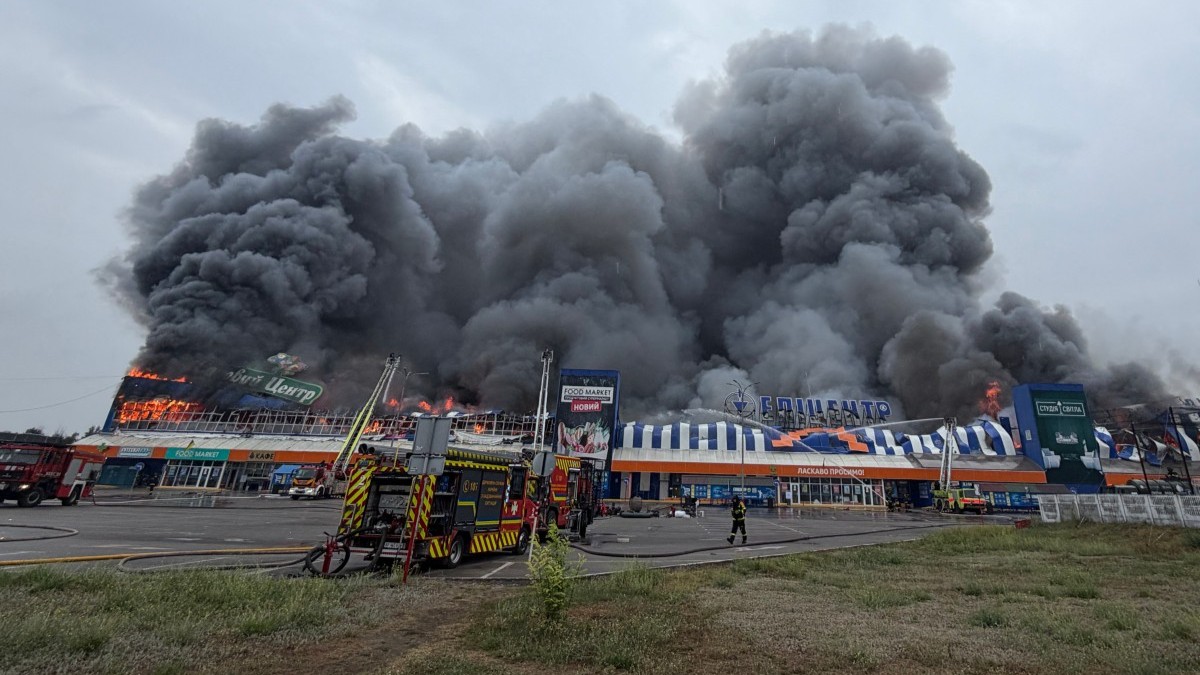
Just days after the CIA director’s visit to Moscow the Kremlin stepped up its campaign against Ukraine, with a combination of drones, decoys, as well as ballistic and cruise missiles.
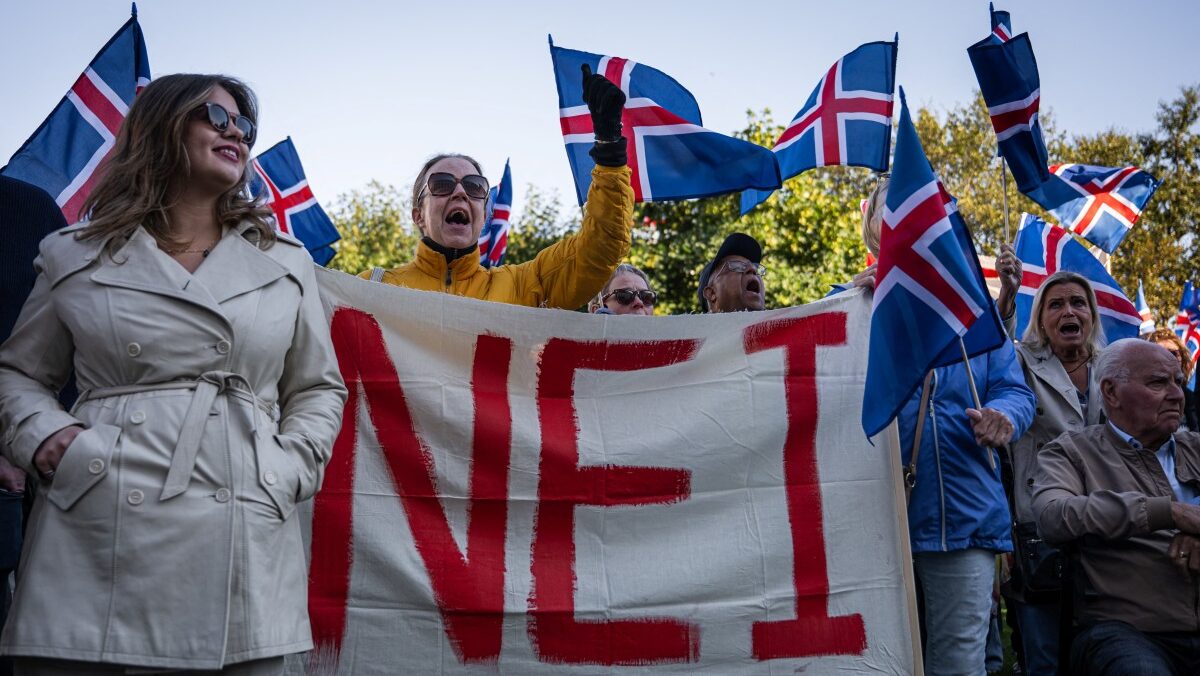
Icelanders will decide this Saturday whether to reopen EU accession negotiations, suspended since 2013.
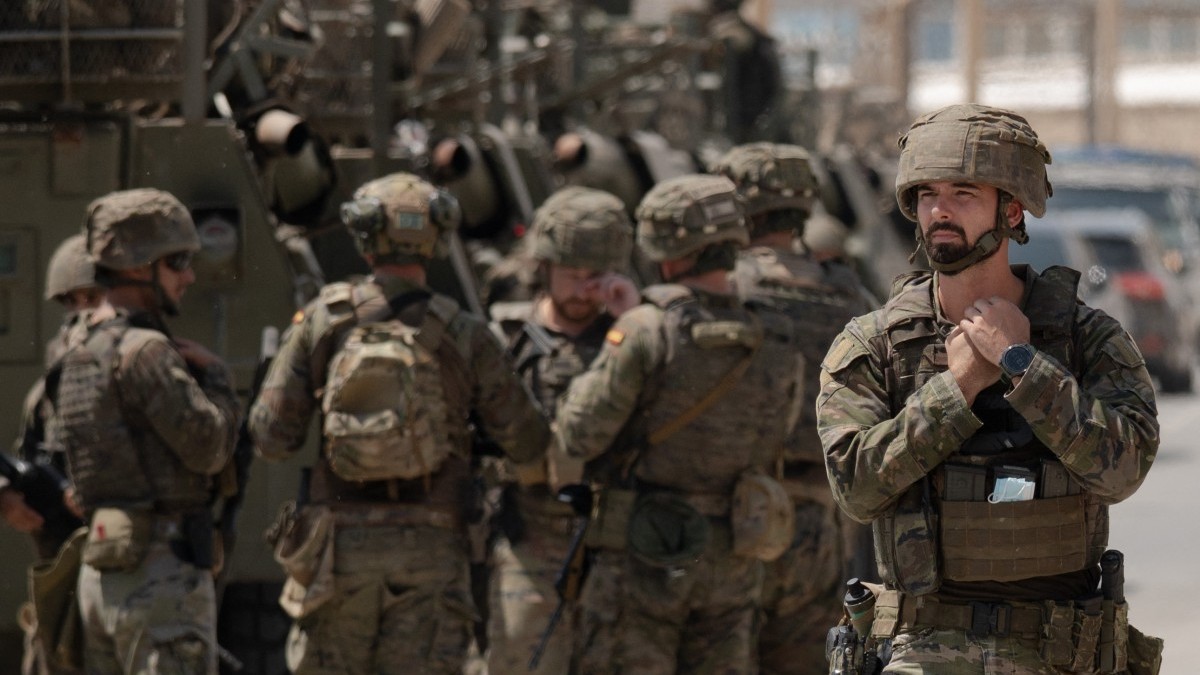
Police prevented a confrontation between residents and illegal immigrants hours before a group of between 30 and 40 people attacked an Army vehicle.