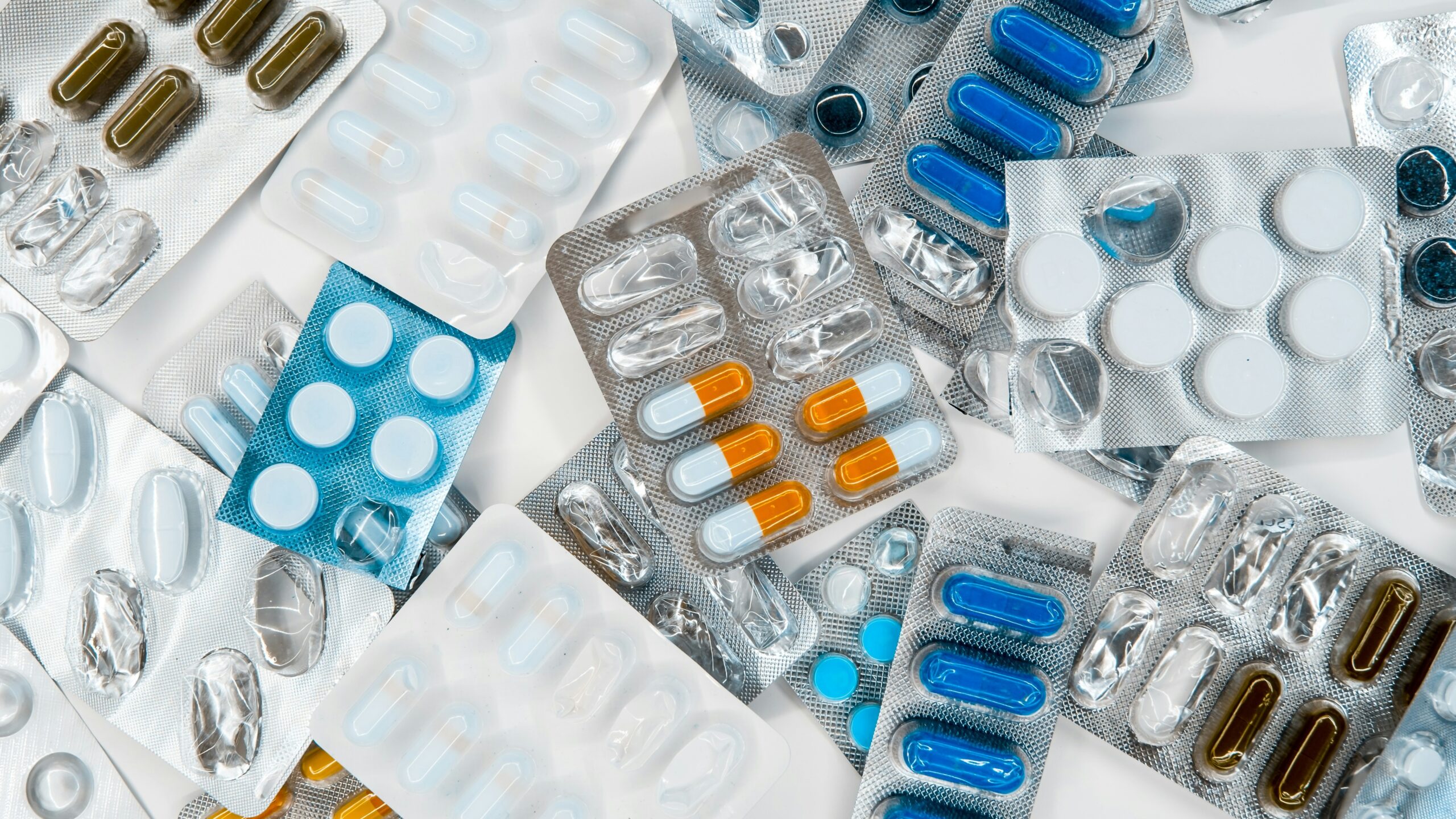
The European Union has spent years talking about strategic autonomy. First came energy after the Russian gas crisis. Then semiconductors, critical raw materials and defence. Now Brussels has identified another dependency that it increasingly sees as problematic: medicines.
The political agreement reached on the Critical Medicines Act aims to reverse a trend that began more than two decades ago. For years, European healthcare systems prioritised cutting costs and public procurement procedures almost exclusively rewarded the lowest bids. The result was a gradual shift of production towards Asia. India became a global powerhouse in generic medicines, while China came to dominate a significant share of pharmaceutical active-ingredient production.
The pandemic revealed just how dependent Europe had become on those supply chains. According to figures from the European Commission itself, more than 80% of the active ingredients used in certain antibiotics currently originate in Asia. Logistical disruptions, export restrictions and manufacturing problems during the health crisis caused shortages of essential medicines across several member states.
Since then, the debate has ceased to be purely economic. In Brussels, there is increasing talk of ‘health security’ and ‘industrial sovereignty.’
The new legislation is specifically designed to strengthen European production of critical medicines and reduce what are considered excessive dependencies. One of its most significant innovations is that it will allow member states to prioritise security of supply over the lowest price in certain public procurement procedures. It also includes financial support, accelerated procedures and specific assistance for industrial projects deemed strategic.
The question is where the new production capacity that Brussels wants to recover will be located. The answer may lie further east than many expect.
Although Germany, France, Belgium and Ireland retain strong pharmaceutical industries, several experts argue that Central Europe enjoys significant competitive advantages. Hungary, Poland and the Czech Republic maintain substantial manufacturing capacity, experience in generic medicine production and labour costs that remain lower than those of Western Europe. They are also fully integrated into the European single market and benefit from a well-established industrial infrastructure.
For pharmaceutical companies considering new investments, the combination is difficult to ignore: production inside the European Union, lower costs and supply chains integrated into the common market.
It is no coincidence that several governments in the region are watching the development of this legislation with considerable interest.
The pharmaceutical sector is also only one part of a broader trend. The European Union is attempting to recover productive capacities that it long considered expendable as long as costs remained low. The same logic now underpins initiatives on defence, critical raw materials and semiconductors.
Recognising this is a sign that something is changing, although many in the corridors of the European Parliament continue to wonder whether Europe has realised it is too late.