Spain is bracing for a possible second mass migrant crossing into Ceuta as the political fallout from last week’s unprecedented border breach spreads from Madrid to Brussels.
The Guardia Civil is closely monitoring social media messages calling on migrants to gather in the Moroccan border town of Castillejos on August 15 before attempting to enter the Spanish enclave.
Sources within the force told 20minutos that the threat was “more than a rumour,” with mobilisation messages circulating through WhatsApp, Instagram and Facebook groups with as many as 400,000 members.
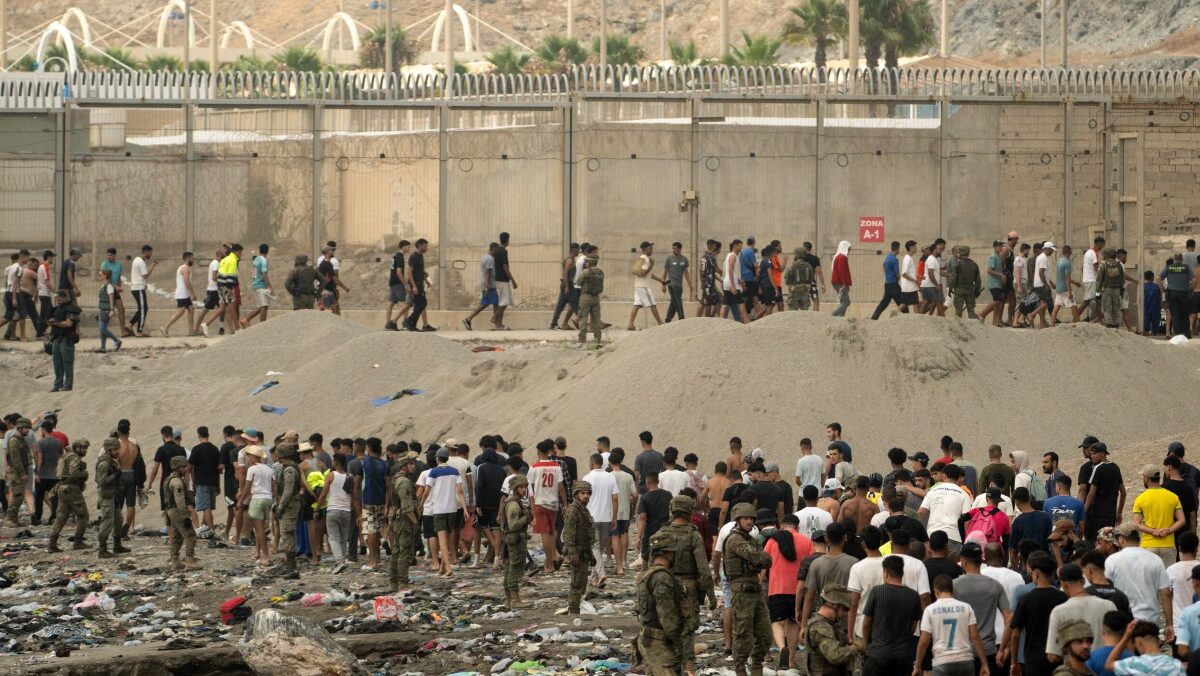
Officials believe another influx on the scale of July 30—when Spanish authorities say more than 72,000 migrants crossed from Morocco—is unlikely because security has since been dramatically reinforced. But Interior Ministry sources acknowledged that another attempted mass entry was a real possibility, saying authorities would be prepared.
More than 100 additional Guardia Civil officers remain deployed in Ceuta alongside the National Police, while Spanish military units sent to the enclave during the crisis are also staying in place. Guardia Civil sources have demanded another 200 officers, stronger border infrastructure and greater EU involvement, arguing: “This is not Ceuta’s border, it is Europe’s southern border.”
The warning comes as the scale of the failure to prevent last week’s influx piles pressure on Socialist Prime Minister Pedro Sánchez.
His government announced on Friday that the interior, foreign, defence and presidency ministers will appear before parliamentary committees later this month to explain their handling of the crisis. The opposition Partido Popular has gone further, demanding that Sánchez himself appear to account for both the border breach and his government’s reliance on Morocco to control illegal migration.
PP European People’s Party secretary-general Dolors Montserrat accused the government of having “lost control” of the border and warned Spain must prepare for a “second invasion.”
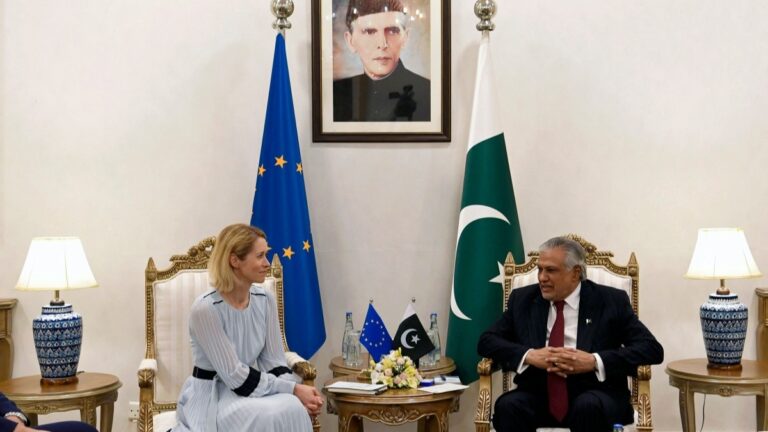
The crisis has also exposed the vulnerability of the EU’s policy of paying and cooperating with neighbouring North African countries to prevent migrants reaching Europe.
EU Migration Commissioner Magnus Brunner said Brussels should be prepared to use its visa and trade policies as leverage to ensure Moroccan cooperation.
“As long as control depends on the goodwill of one neighbouring state, we remain… vulnerable,” he told the European Parliament on Thursday.
Questions remain over whether Moroccan authorities deliberately turned a blind eye to the July 30 crossings. Ceuta president Juan Jesús Vivas, whose city still has between 3,000 and 5,000 migrants from the influx, was unequivocal.
“Morocco is not a reliable country,” he said, arguing that responsibility for securing Europe’s only land border with Africa should ultimately rest with Europe itself.
Rabat has rejected responsibility for the surge and insists it has stopped hundreds of thousands of attempted illegal crossings in recent years. It has now also offered to cooperate in identifying and returning unaccompanied Moroccan minors who entered Ceuta. At least 1,100 unaccompanied minors are currently in the enclave, although that figure includes some who arrived before last week’s crisis.
For the Guardia Civil, however, the immediate concern is what happens next. Officers warned that even if the anticipated August 15 attempt never materialises, the underlying threat will remain.
“The date marked is the 15th,” sources said, “but the pressure has no calendar.”