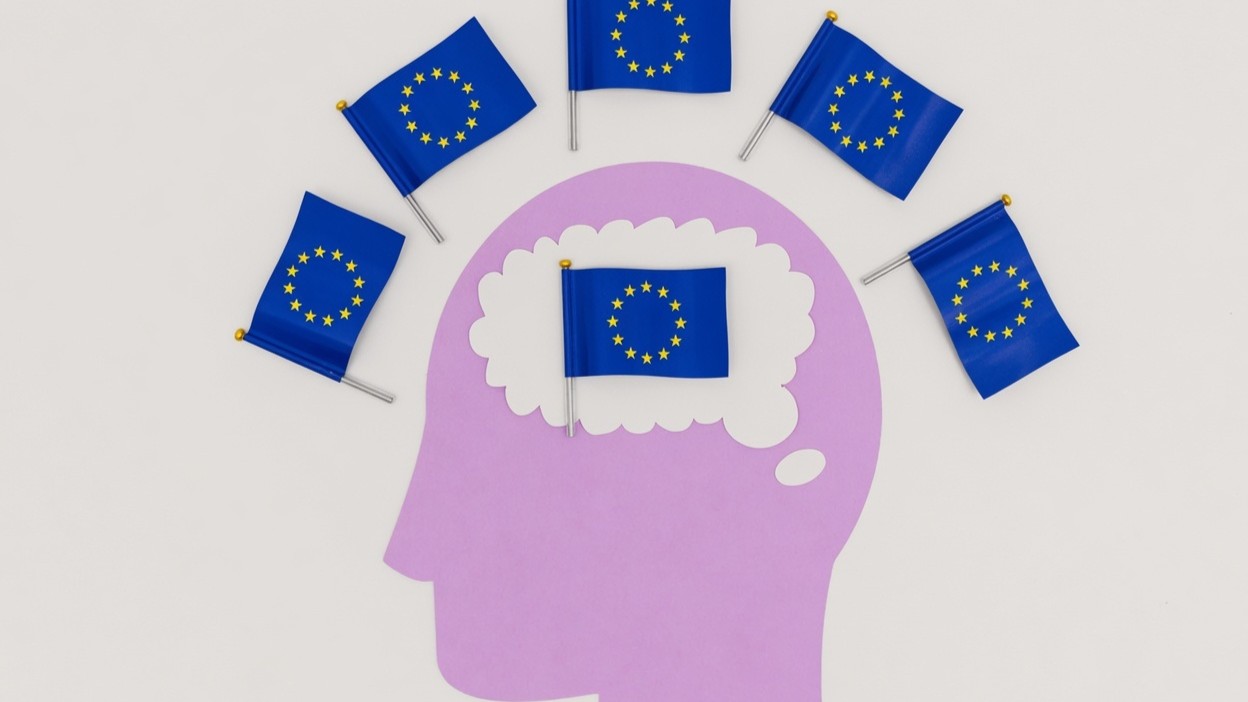
Brussels Uses Mental Health as Excuse To Exert Power
Sociologist Ashley Frawley argues that the EU’s mental health strategy enables a quiet expansion of institutional intervention into schools, workplaces, and digital platforms.

Sociologist Ashley Frawley argues that the EU’s mental health strategy enables a quiet expansion of institutional intervention into schools, workplaces, and digital platforms.

MCC Brussels warns that the “single registration principle” used against it by Brussels could potentially affect thousands of entities.

The decision by EU bureaucrats fits a pattern of a continuous ideological campaign aimed at sidelining dissenting voices.

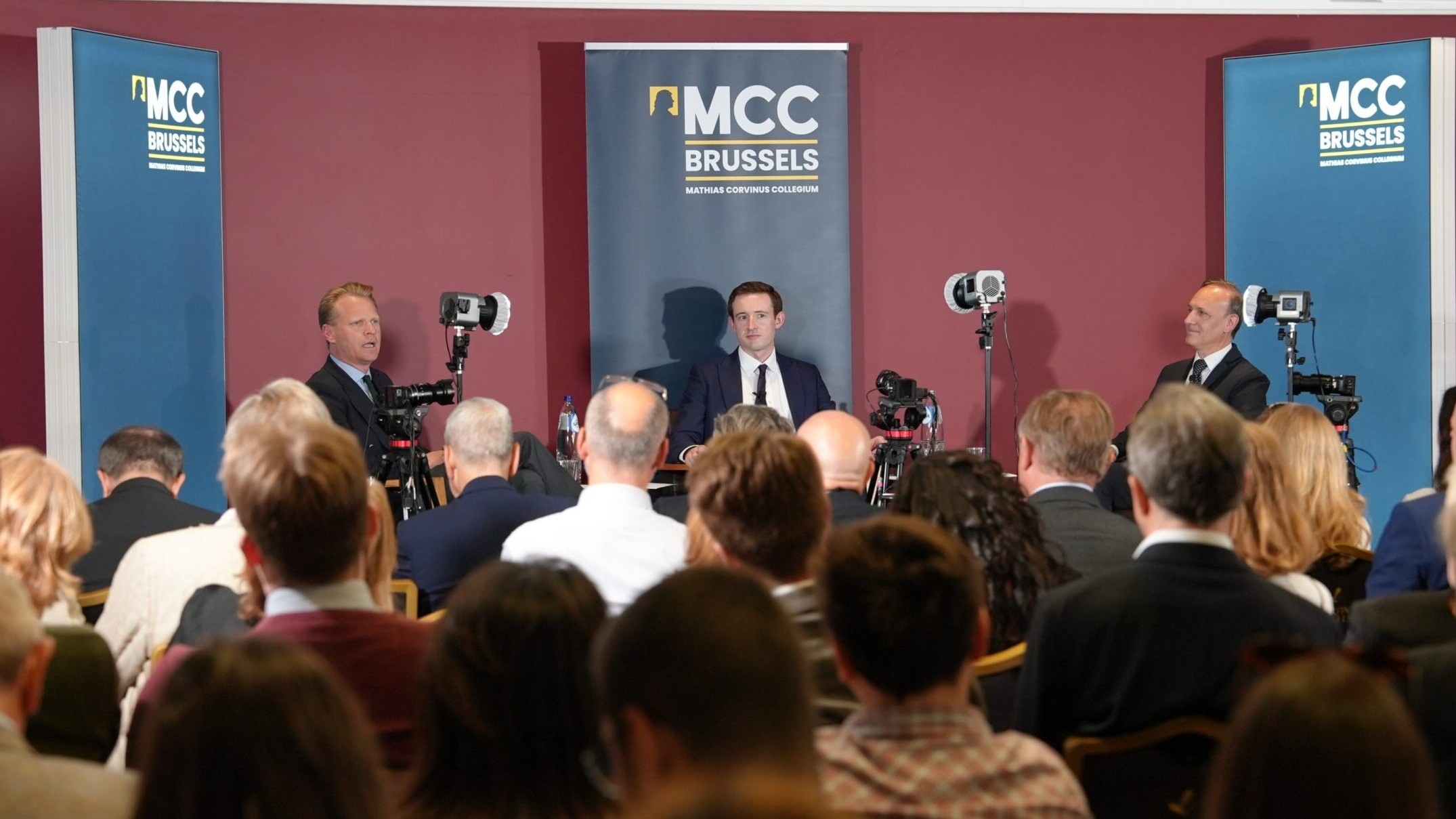
Academics, philosophers, and political figures analyzed the legacy of the American Revolution and the future of the U.S-Europe relationship at an MCC Brussels event.

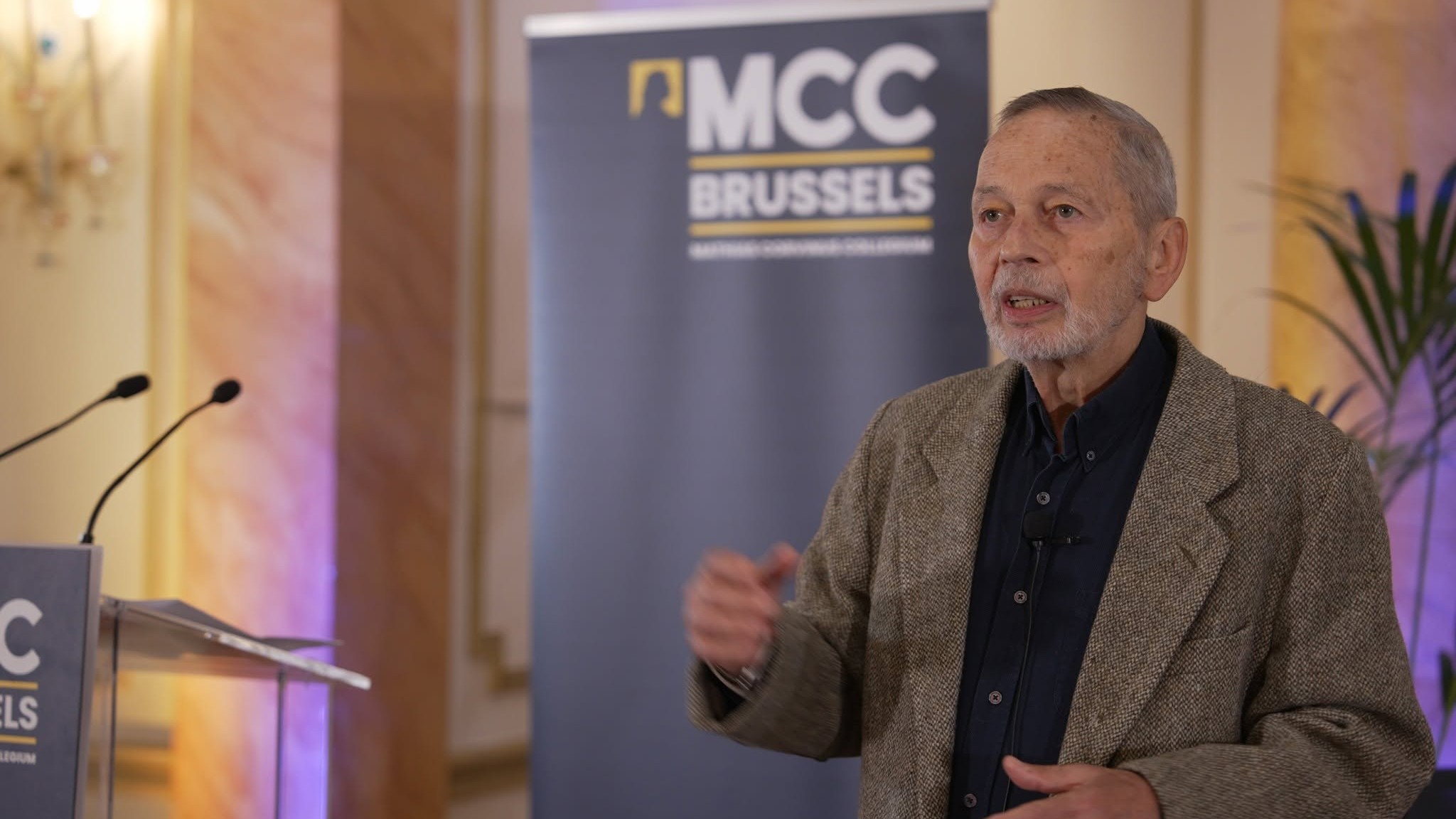
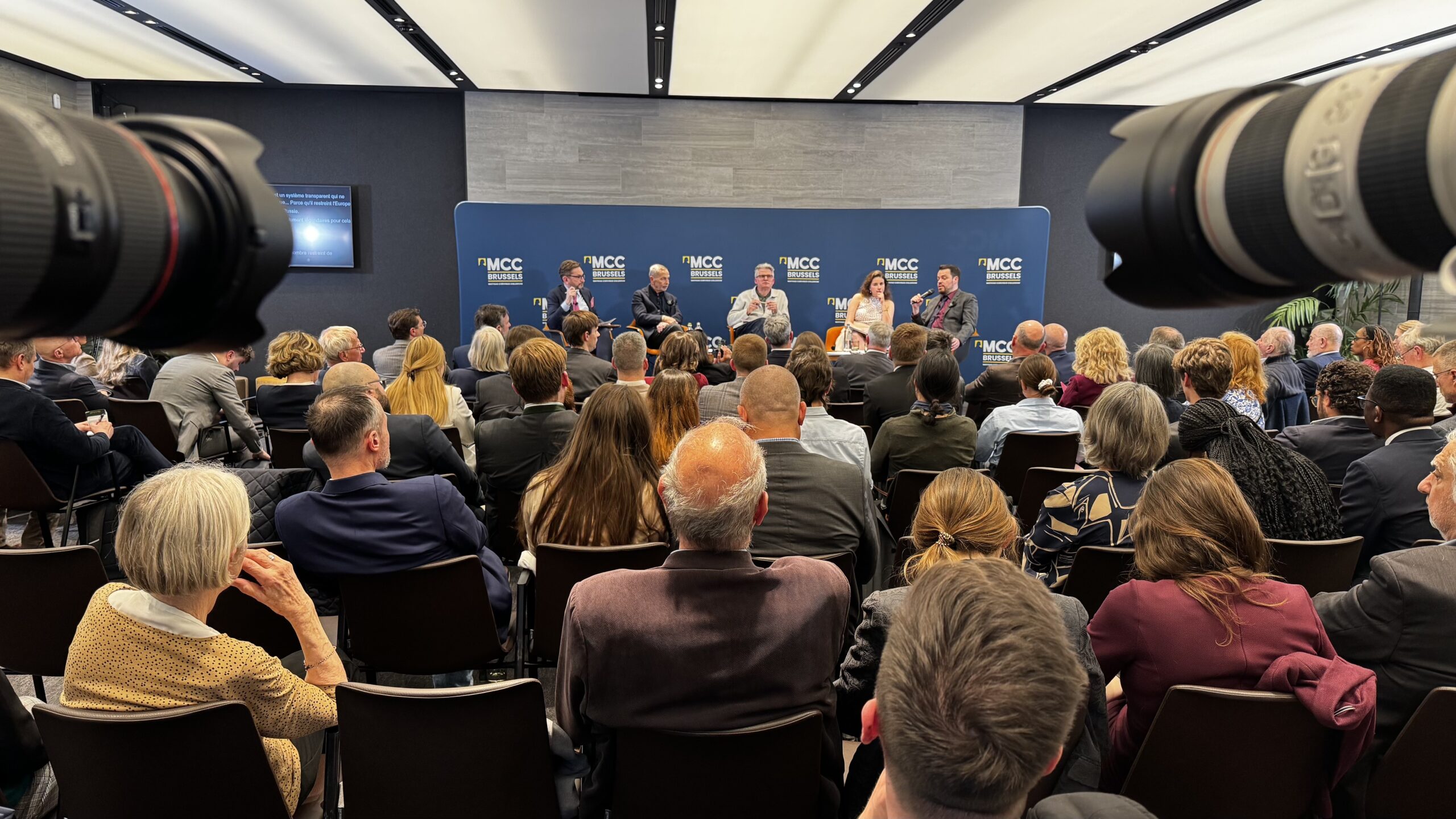
The launch of Hungarian-British sociologist Frank Furedi’s new book evolved into a much broader discussion about representation, elites, and the traditional political system.

Péter Magyar is determined to starve out Brussels’ most influential conservative think tank but its leadership believes the organization will continue to exist and gain weight as the European Right’s intellectual hub.

As EU leaders welcome Hungary’s new government, allies of the former prime minister say little has changed beneath the surface.

“If the European Union starts to consider democratically elected governments illegitimate simply because they do not share the dominant political line in Brussels, then the problem is no longer Viktor Orbán.”

Thousands of Fidesz comments disappeared from public view, while opposition posts stayed visible, revealing unequal conditions ahead of Hungary’s elections

Concerns are growing that the undefined scope of “conversion practices” could capture therapy, guidance, and even private conversations at home.