Javier Villamor / europeanconservative.com
Orbán lost power—but not the argument.
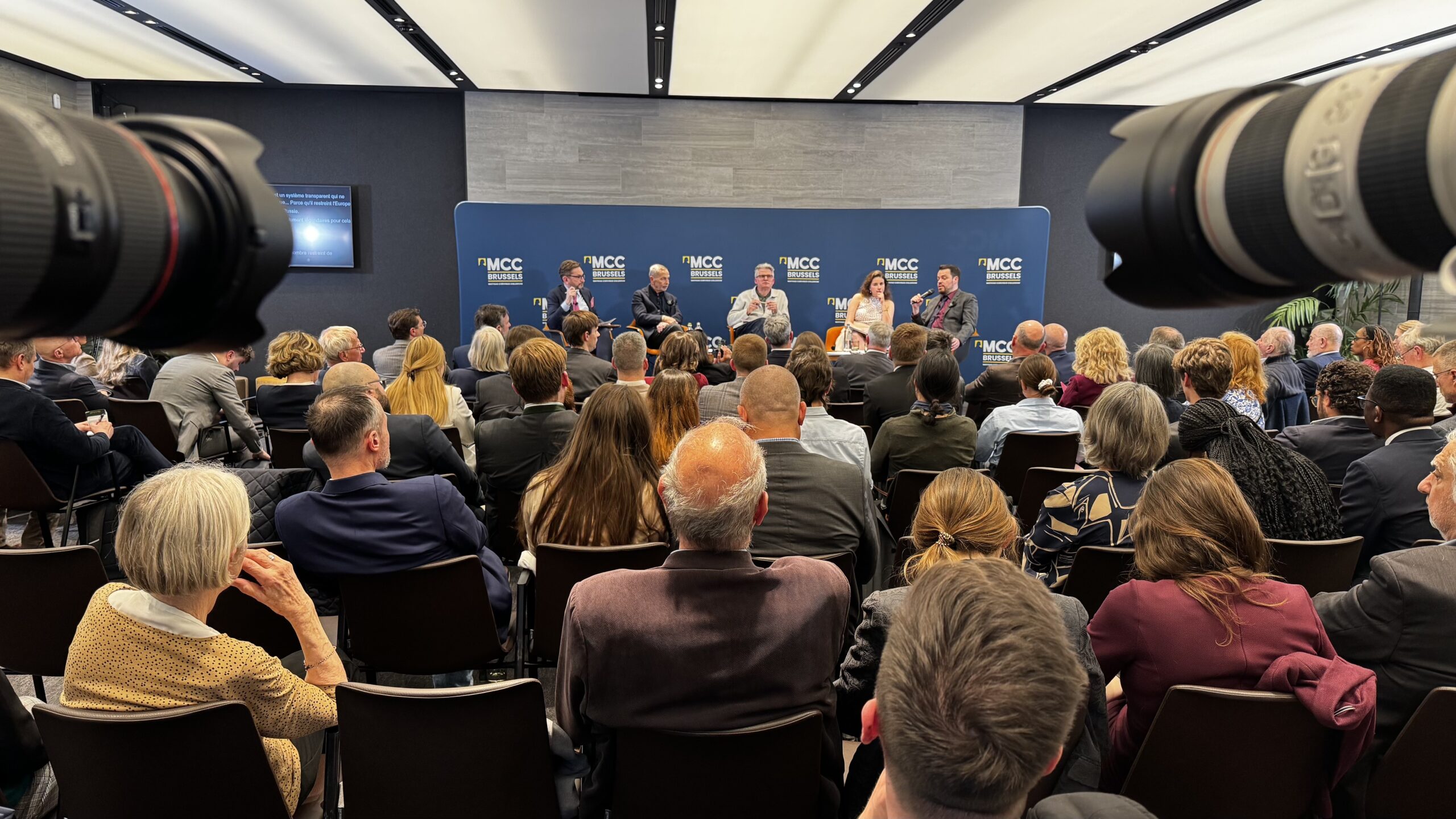
That was the message from a Brussels gathering held just hours after Hungary’s election, where speakers insisted his political legacy is far from over.
Barely a day had passed since Péter Magyar and his Tisza party won in Hungary. Orbán, after 16 years in power, had conceded defeat. But inside the room, the focus was not on what had been lost—but on what, if anything, had really changed.
Frank Füredi, head of MCC Brussels, opened with a blunt message: this was not a collapse. Hungary, he said, had just shown it is a functioning democracy—despite years of claims from Brussels and much of the Western media that Orbán had built an “autocracy” that could not be voted out. The fact that he conceded within hours only reinforced that point.
Füredi argued that while Fidesz lost power, its core ideas remain dominant. On immigration, borders, and national sovereignty, Magyar has not broken sharply from Orbán’s positions. The bigger problem, he said, was internal: Fidesz had grown complacent, stopped listening to voters, and lost touch with younger generations—leaving space for a more modern, media-savvy challenger.
Veteran Brussels journalist Bruno Waterfield made a similar point from a different angle. The election, he said, was a clear expression of popular will, with turnout close to 80%—far higher than in many Western European countries. For years, critics had claimed Orbán would never allow himself to lose. In the end, he did—and peacefully.
But Waterfield also warned against how the result is being interpreted. Many in Brussels are celebrating not democracy, he suggested, but the possibility that Hungary will now fall back into line with EU institutions.
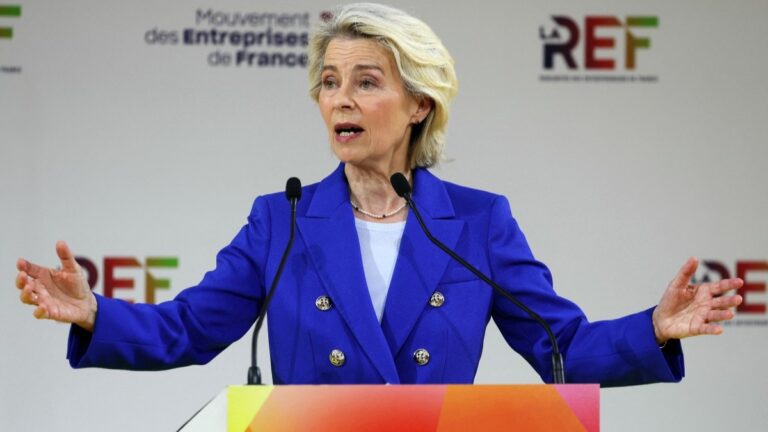
That pressure was already visible. Within a day of the result, European Commission President Ursula von der Leyen made clear that any new Hungarian government would still have to meet strict conditions to unlock billions in frozen EU funds. In other words, the leverage remains.
Polish academic Liliana Śmiech pointed to the broader issue: the use of EU money as a political tool. Hungary has spent years with funds withheld and students excluded from programmes like Erasmus. That, she argued, punished not just the government but ordinary Hungarians. She noted a similar pattern in Poland, where funds were quickly released after a change in government.
Richard Schenk took this argument further. The real outside pressure on Hungary, he said, has not come from Russia or social media campaigns, but from Brussels itself—through the “rule of law” process and financial pressure. Magyar, he argued, understood this better than previous opposition figures, turning the promise of unblocking EU funds into a key campaign message.
Despite the change in leadership, Schenk stressed that Hungary remains politically conservative. There will be no strong left-wing presence in parliament, and even Tisza has adopted much of the language used by Fidesz on migration and national identity. Orbán’s influence, he suggested, is far from over.
Outside the conference, that view was echoed by AfD MEP Alexander Sell. Speaking afterwards to europeanconservative.com, he said Orbán’s defeat does not mark the end of Europe’s nationalist movements, but could open the door for others to take the lead.
“What Orbán has done should serve as a model,” Sell said. “We need to build on that success and work more closely across Europe.”
With Orbán stepping aside, parties elsewhere—particularly in Germany—are now looking to fill the space he leaves behind.
The conference had been organised to discuss a defeat. But by the end, that was not how most in the room saw it. The question now is not whether Orbán’s political era is over—but whether it is simply entering a new phase, under different leadership.