Hungary’s newly elected centrist government has escalated its confrontation with President Tamás Sulyok, announcing plans to amend the constitution in order to remove the head of state after he refused repeated calls to resign.
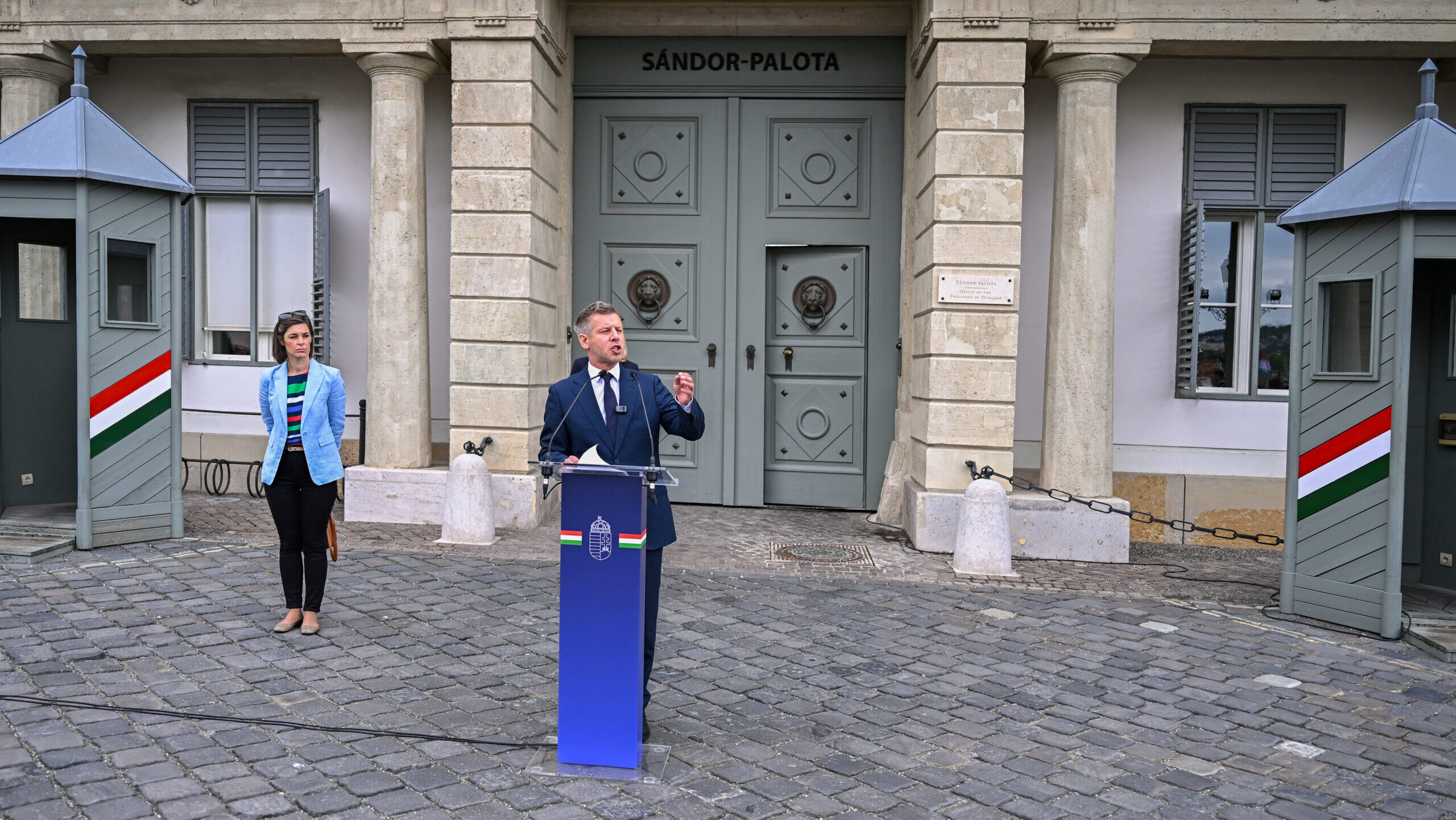
Prime Minister Péter Magyar revealed the move on Monday, June 1st, after a deadline he had set for Sulyok’s resignation expired the day before.
Following a meeting with the president, Magyar declared that his government would begin the legislative process necessary to replace him, arguing that Sulyok had failed to fulfil his constitutional duty to defend democratic institutions and national unity.
Sulyok, however, has rejected demands for his departure, stating that he sees no constitutional basis for resignation.
The president, who was elected by the previous conservative Fidesz-KDNP parliamentary majority and still has three years remaining in his term, has warned that attempts to remove him for political reasons threaten the authority and stability of the presidency.
Sulyok has formally appealed to the Council of Europe’s Venice Commission, seeking guidance on the constitutional implications of the conflict. His office argued that calls for his dismissal are incompatible with Hungary’s current legal framework and risk undermining the functioning of the state.
Similarly to Donald Tusk’s leftist-liberal government in Poland, Magyar’s government is pursuing a broader campaign to purge institutions of officials appointed during the long tenure of former Prime Minister Viktor Orbán.
Since taking office in May, the new government has proposed a constitutional amendment that would effectively prevent Orbán from returning to power by introducing retroactive term limits for prime ministers.
Fidesz’s parliamentary group leader, Gergely Gulyás, condemned the latest move against Sulyok, describing it as unprecedented in Hungary’s democratic era. He argued that no president since 1990 had been forced from office before the end of a mandate.
If the new governing majority embarks on such a course, then we can already say with confidence that … it is engaging in a power struggle that weakens the institution of the President of the Republic, undermines the dignity of the Hungarian state, removes the holders of the most important constitutional offices within Hungary’s state structure, and causes long-term damage that extends far beyond its own term in government.
Former justice minister Bence Tuzson drew historical parallels with the communist period, recalling how President Zoltán Tildy was pressured into resignation in 1948 as Hungary’s communist regime consolidated power.
Critics have accused Péter Magyar of seeking unchecked control over the state. They add that removing a democratically elected president, despite the absence of any legal wrongdoing, reflects a determination to eliminate institutional resistance and place all major centres of authority under the government’s influence.
The coming weeks are expected to bring a fierce constitutional power struggle.