Leonhard Lenz, CC0, via Wikimedia Commons
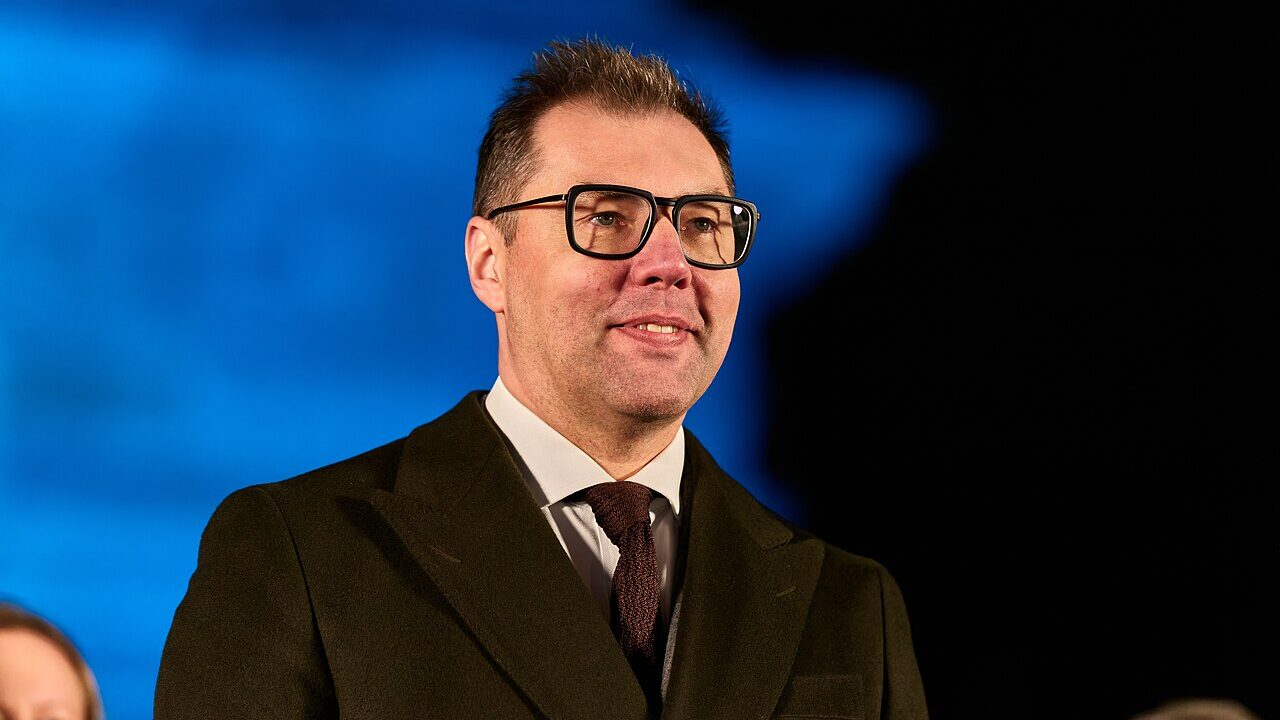
Ukraine’s Ambassador to Germany, Oleksii Makeiev, has come under fire after accusing parties on both the political right and left of bowing to Moscow’s will, prompting allegations that he has interfered in Germany’s domestic politics ahead of several key regional elections.
In an interview with Die Welt, Makeiev said there were parties in Germany “on the right and the left” that appeared to receive “instructions from Moscow every morning.”
When asked whether he was referring to the right-wing Alternative für Deutschland (AfD), the left-wing nationalist Bündnis Sahra Wagenknecht (BSW), and the far-left Die Linke, the ambassador urged voters to consider “which country’s interests” such parties ultimately served, adding that he wanted “democrats to win, not autocrats.”
BSW founder Sahra Wagenknecht accused Makeiev of “losing all sense of proportion” and interfering in German elections despite the billions of euros Germany provides to Ukraine.
He probably believes that if Ukraine can blow up Germany’s most important energy supply pipeline without facing any consequences, then it is also entitled to interfere openly in our elections.
BSW politician Sevim Dağdelen accused the ambassador of attempting to dictate to Germans “who they should vote for,” calling his comments “interference, not diplomacy.” She argued that a German government with “any remaining self-respect” would have summoned the ambassador to the Foreign Office.
Der ukrainische Botschafter Oleksii Makeiev versucht in Deutschland zu dekretieren, wer hier zu wählen ist und wer nicht. Das ist keine Diplomatie, das ist Einmischung. Eine Bundesregierung mit Restwürde hätte diesen Botschafter längst einbestellt. https://t.co/XHHT00jHHX pic.twitter.com/BTOe3R6uIH
— Sevim Dağdelen (@SevimDagdelen) August 3, 2026
Conservative commentator Peter Borbe similarly said that Makeiev was spreading conspiracy theories about German politics and argued that, in most other countries, such statements would have resulted in an official diplomatic reprimand.
AfD MP Markus Frohnmaier said his party neither receives nor accepts instructions from Moscow, and accused the ambassador of abusing his diplomatic office for political purposes.
Conservative publication Tichys Einblick also said the ambassador’s words amount to an unacceptable attempt to influence German elections.
We recall that Ukraine had already interfered in the Hungarian election campaign by threatening the use of force. Are Zelensky and von der Leyen now trying to repeat what they see as their success in Hungary in Germany—in Saxony-Anhalt, Mecklenburg-Vorpommern, and Berlin?
The aforementioned three German states are all set to hold regional elections in September, with the AfD on course for a victory in all three, including potentially forming a government in Saxony-Anhalt; this would be the first ever state controlled by the right-wing party.
Despite being on opposing sides of the political spectrum, both AfD and BSW have called for Germany to pursue a more common-sense approach to the war in Ukraine by focusing on peace efforts instead of supplying more arms to Ukraine in its fight against invading Russia.
BSW recently unveiled a campaign poster for the Saxony-Anhalt state election featuring an AI-generated image of Ukrainian President Volodymyr Zelensky reaching for flying euro banknotes while standing alongside German Chancellor Friedrich Merz and European Commission President Ursula von der Leyen. The poster bears the slogan: “Stop the scam!” reflecting the party’s long-standing opposition to German military and financial support for Ukraine.