
The Dangerous Illusion of Anti-Politics
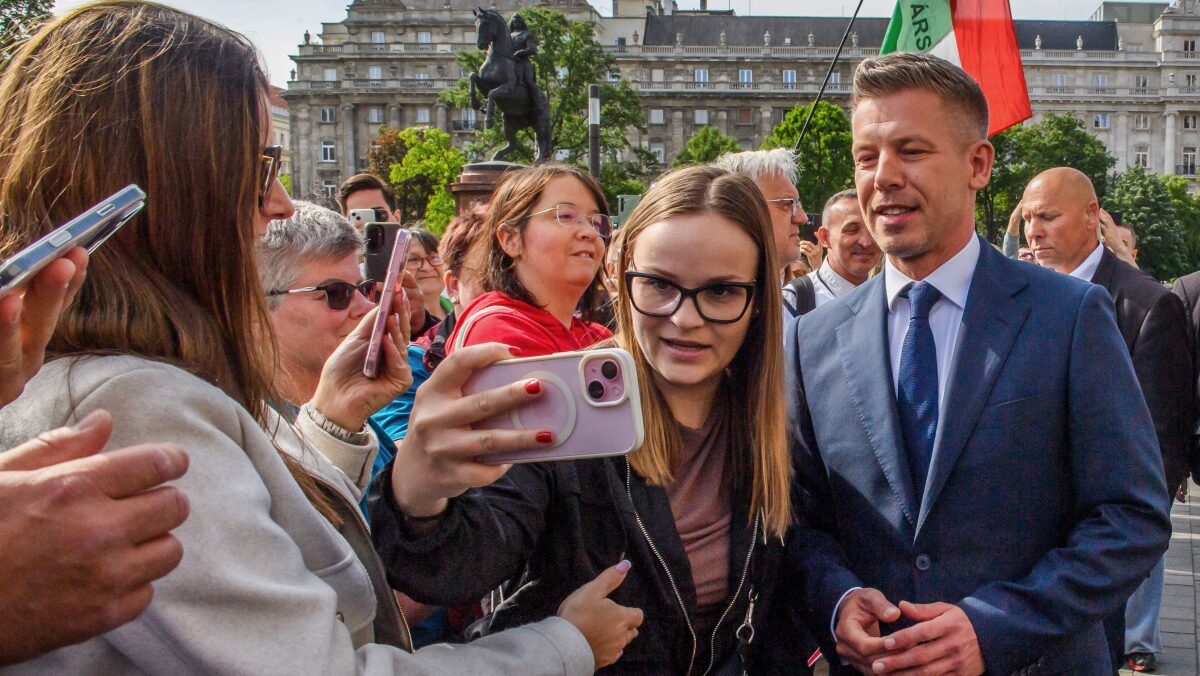
Anti-politics has become the latest trending communication product, but if we denounce political experience as a sin and herald amateurism as a virtue, we pave the way for chaos.

Anti-politics has become the latest trending communication product, but if we denounce political experience as a sin and herald amateurism as a virtue, we pave the way for chaos.
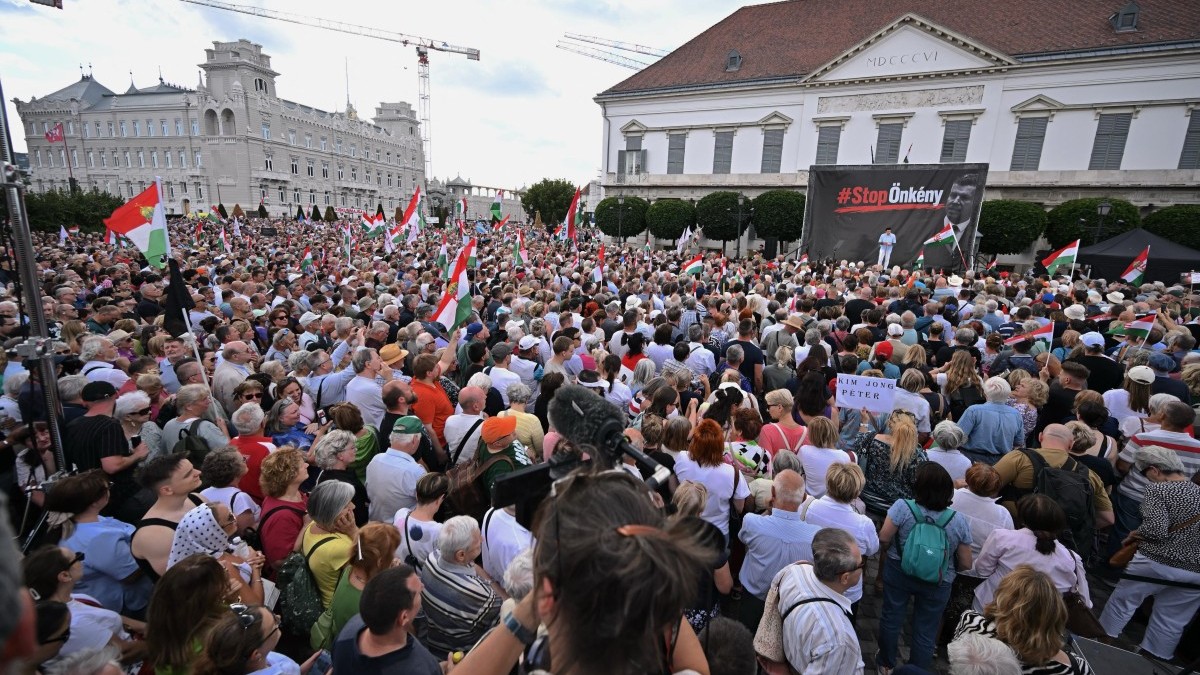
Péter Magyar and the Tisza Party are dismantling democratic Hungary as we have known it since 1990.

Voter surveys suggest that nearly two-thirds of the new Hungarian government’s own voters are dissatisfied with the lack of civic engagement in key decisions.
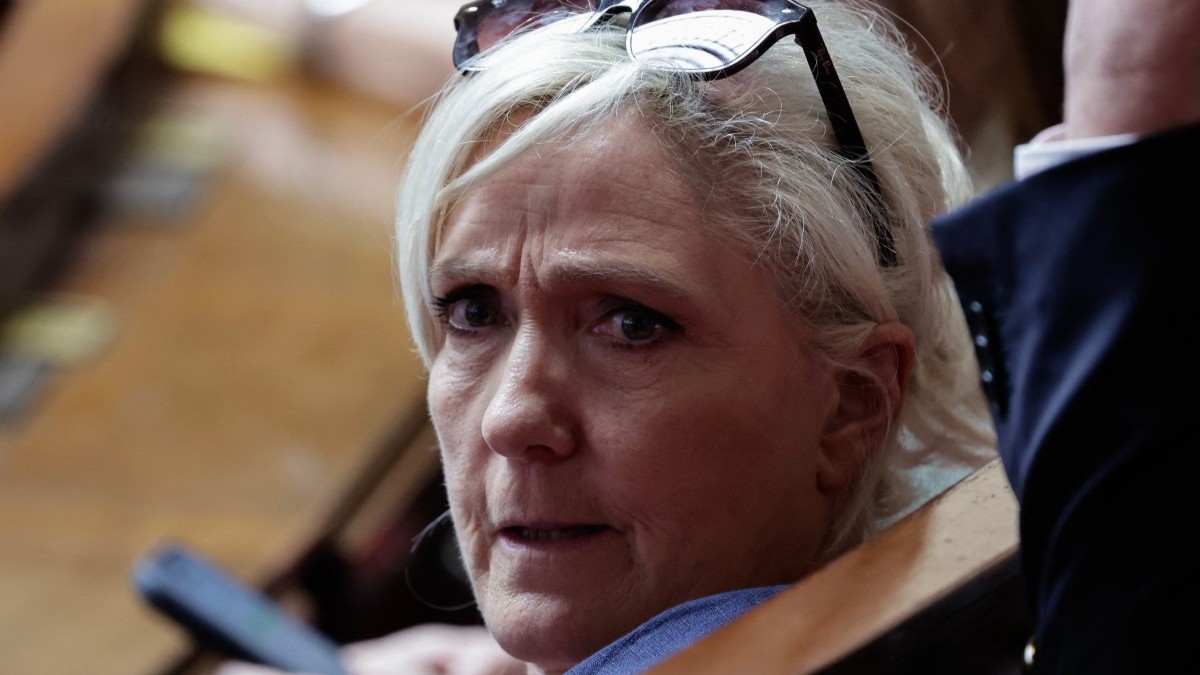
The frontrunner in France’s presidential election has accused Hungary’s government of systematically violating the rule of law.
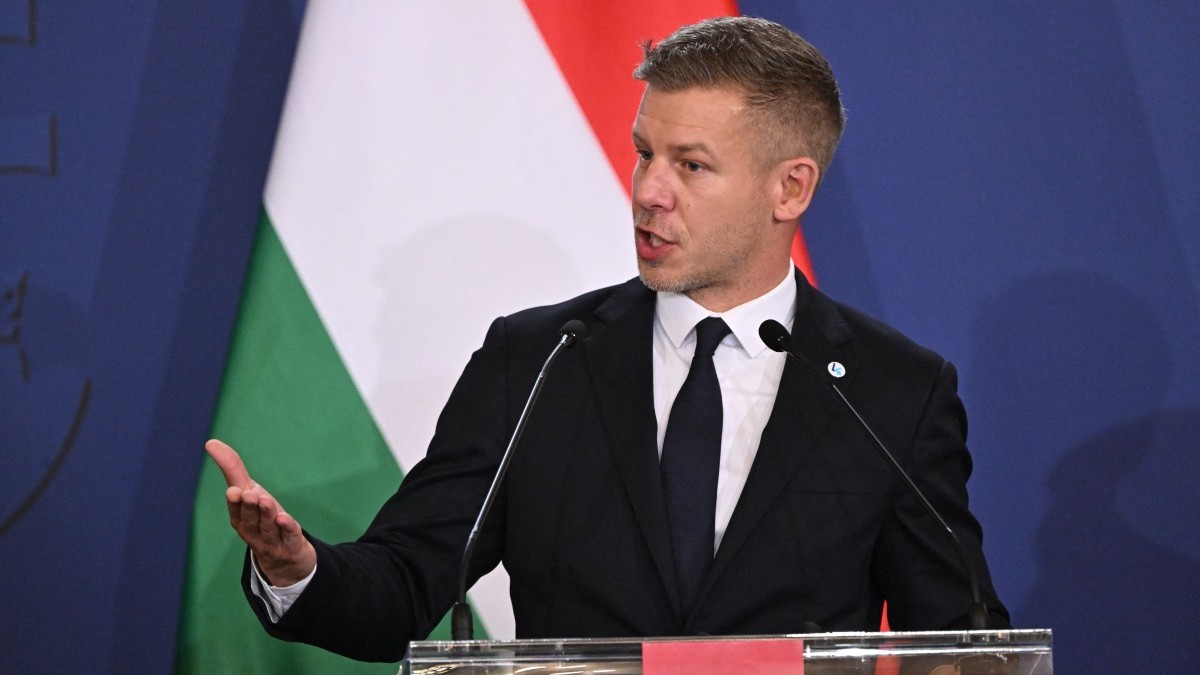
The human rights watchdog has warned that PM Péter Magyar’s rushed nomination of Judit Polgár represents an undemocratic, unilateral approach to selection.

Conservative opposition party Fidesz has condemned the removal of Tamás Sulyok as unlawful and the following floating of Polgár’s name as “eyewash.”
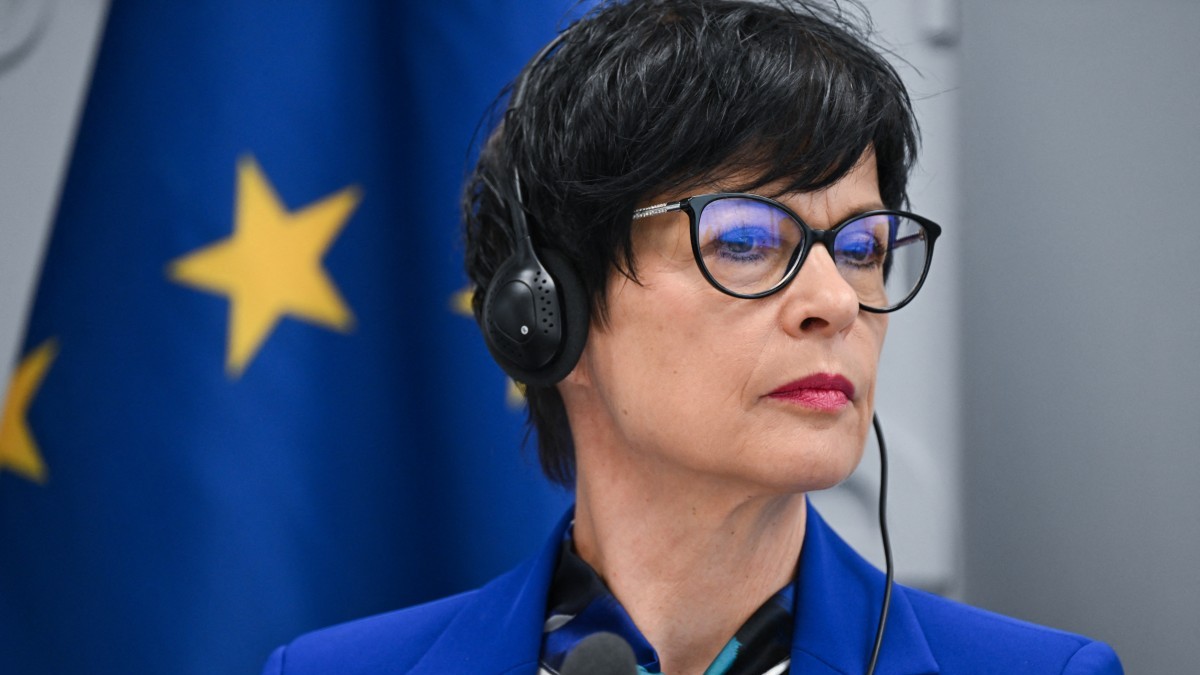
With the last roadblock in the form of the former Hungarian government gone, it’s now “undeniable” that Ukraine will “soon” become an EU member state, Enlargement Commissioner Marta Kos said.
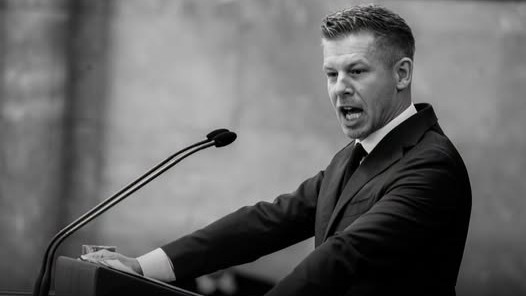
The overt move aiming to do away with major political opponents was celebrated with a standing ovation by Tisza MPs.
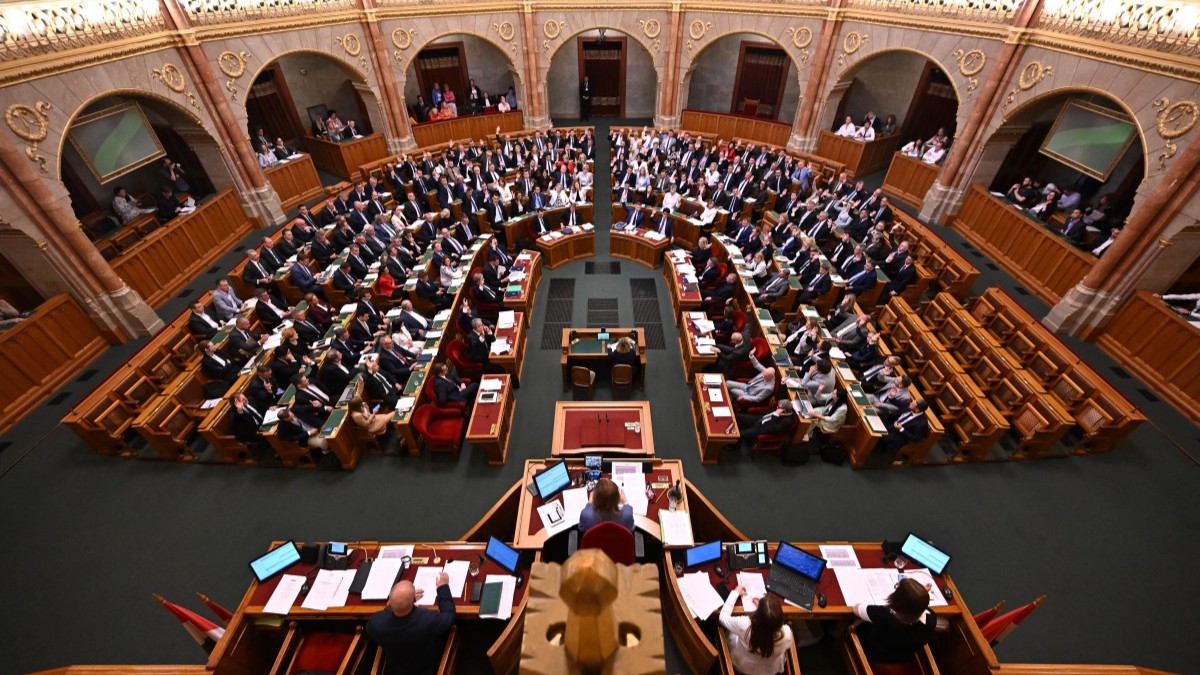
Dozens of right-wing and conservative members of the European Parliament want to hear the European Commission condemn an amendment to Hungary’s constitution, expected to be passed today in parliament, removing the country’s president from office in a blatant violation of the rule of law.
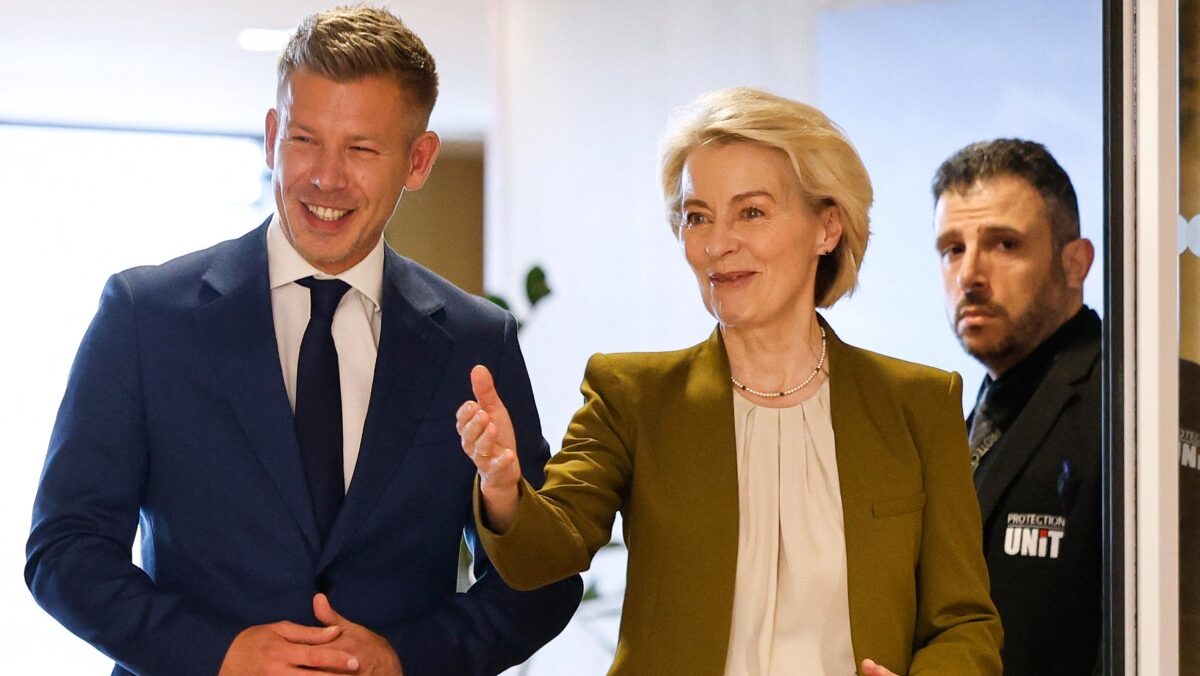
EU finance ministers signed off on the recovery package despite warnings from constitutional experts and rights groups over the Magyar government’s reforms.