European leaders are attempting to downplay concerns after the United States announced plans to reduce its military presence on the continent, amid growing questions about Europe’s ability to defend itself without American support.
The Pentagon announced late on Tuesday that it was pausing the deployment of any additional troops to Poland. Vice President JD Vance described this as part of America’s demand for “more of Europe standing on its own two feet.”
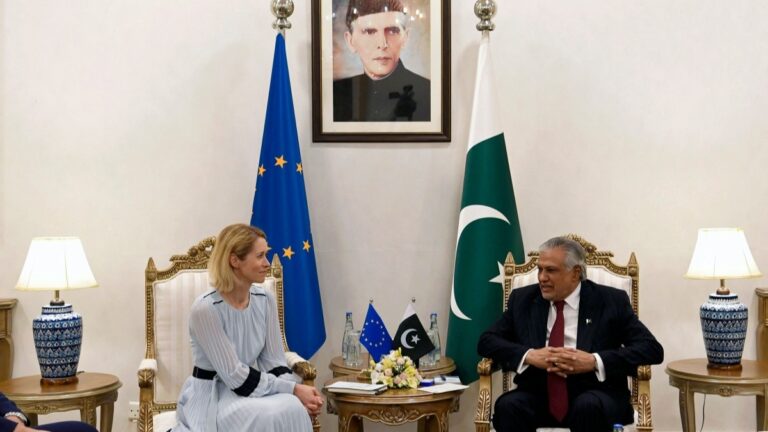
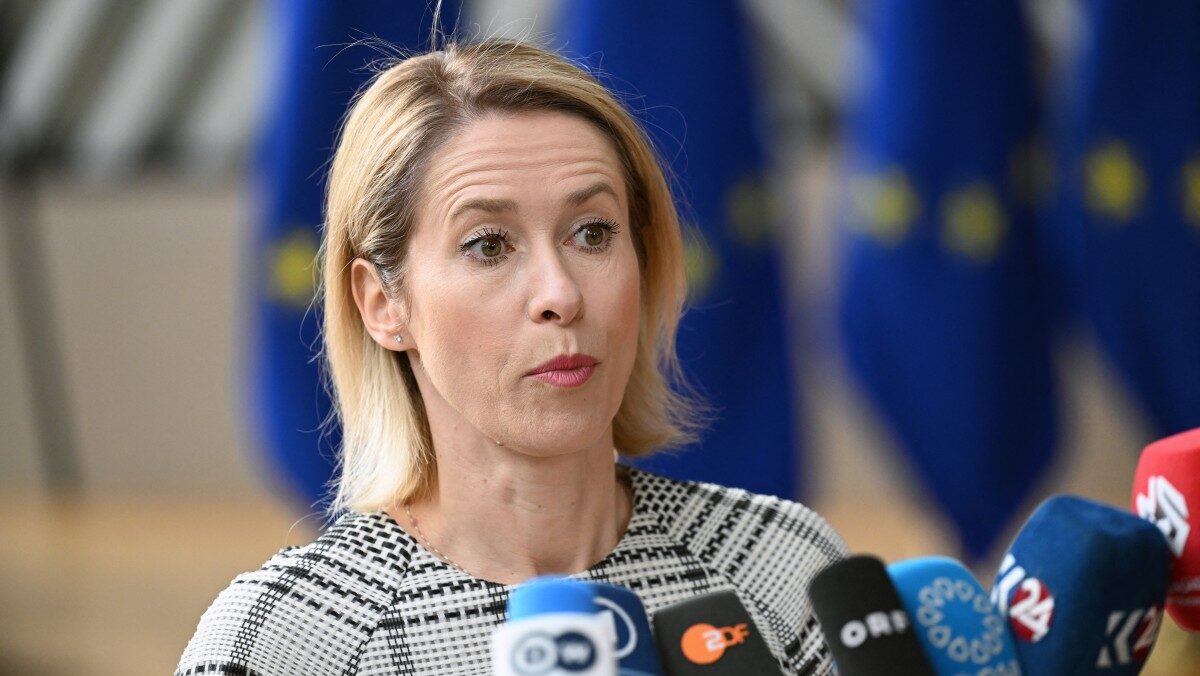
Kaja Kallas, the EU’s top diplomat, earlier that day told the European Parliament that the “NATO deterrence remains intact,” despite the reduction in U.S. troop numbers.
Yet in the same speech, she described the U.S. presence in Europe as “the major contributor to NATO’s deterrence and defence,” not least because “Europe still lacks a number of capabilities, which are often too costly or complex for any single member state to procure alone.”
Kallas also admitted that Europe’s defence capabilities were still insufficient, and called for increased “defence spending, closing capability gaps and scaling up European defence production.”
At the same time, Commission president Ursula von der Leyen has described Russian threats against the Baltics as a “threat against our entire union.” Polish prime minister Donald Tusk has also warned that this may lead to “situations in which it will be necessary to react firmly.” Yet leaders clearly doubt they can do this alone.
NATO’s Supreme Allied Commander Europe General Alexus Grynkewich on Tuesday downplayed the news of U.S. troop withdrawals, suggesting that the “ongoing process” could take “several years.” But this too could change if Donald Trump—who has long highlighted the need for Europe to defend itself—so wishes.