Pexels
Brussels is moving to head off panic over potential jet fuel shortages as Middle East tensions threaten global energy flows, even as officials admit supply disruptions could hit within weeks.
The European Commissioner for Sustainable Transport and Tourism, Apostolos Tzitzikostas, insisted on Wednesday there is “no sign” of an immediate shortage, urging restraint in public messaging to avoid damaging the summer tourist season.
But behind the reassurances, the Commission is preparing for a different scenario.
Officials acknowledge that if the conflict drags on and the Strait of Hormuz remains closed, supply problems could begin to emerge as early as June. Tzitzikostas described the situation as “volatile and uncertain,” with weekly coordination meetings already under way.
The concern is not only about supply, but perception. Brussels fears that even the hint of disruption could trigger a drop in bookings, hitting airlines and tourism before any actual shortage materialises. “We must avoid entering that spiral,” the commissioner said, urging travellers to remain confident.
Even so, developments across the bloc suggest the situation is less stable than Brussels claims.
Belgium stands out. It is currently the only Western European country that has not begun refilling its gas reserves after winter. Instead, storage levels continued to fall in April, while most EU countries are already working towards the bloc’s requirement to reach 90% capacity before winter.
The situation does not breach EU rules—private operators such as Engie and Eni can decide when to inject gas—but the delay is raising concern at a moment when Brussels is trying to project stability.
At the same time, Belgium is rethinking its energy strategy.
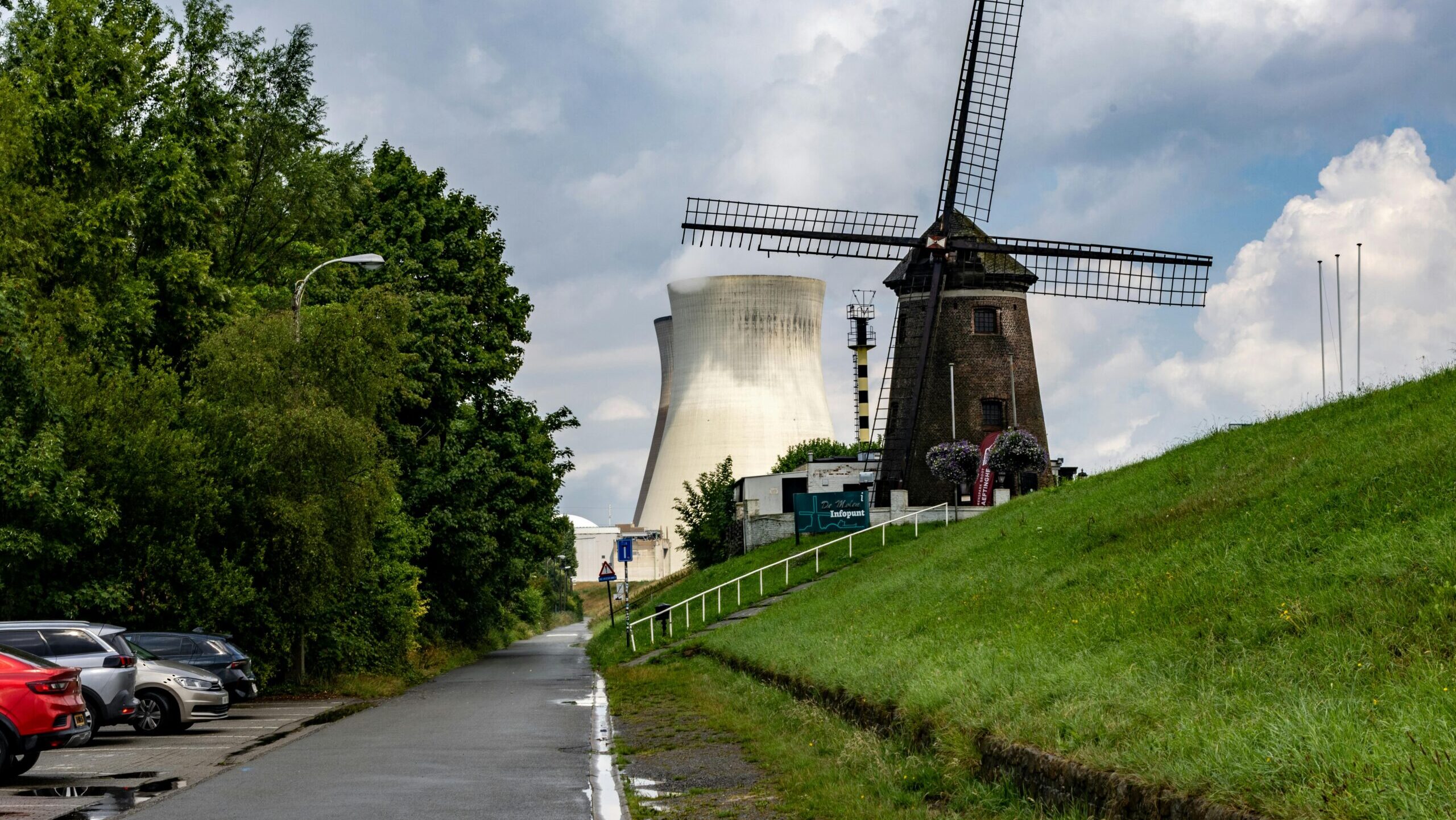
The government has opened negotiations with Engie to take over its nuclear assets, including reactors at Doel and Tihange, and has suspended dismantling plans. Only two reactors—Doel 4 and Tihange 3—are currently operational, with their lifespan extended until 2035, but ministers are now exploring whether additional units could be brought back online.
The shift marks a clear break from Belgium’s long-standing nuclear phase-out policy.
More broadly, it shows how quickly Europe’s energy strategy is being reshaped by geopolitical pressure. Plans to move away from nuclear power and fossil fuels are increasingly colliding with supply risks—forcing governments to adjust course in real time.