Hungary’s new, centrist government formally took shape on Tuesday, May 12th, after President Tamás Sulyok appointed the ministers of Prime Minister Péter Magyar’s cabinet in Budapest.
The move seals a political transition that appears set to realign the country firmly with Brussels after sixteen years of sovereignist rule under Viktor Orbán.
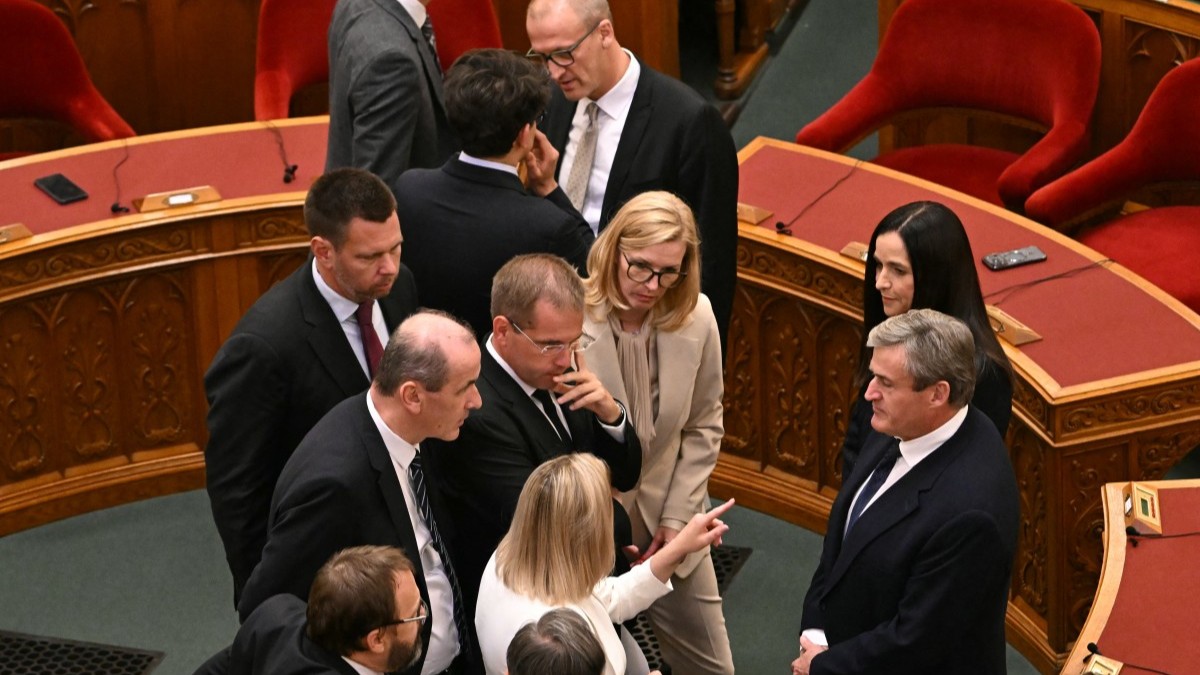
The new cabinet was sworn in during a plenary session of parliament today and will officially assume office at midnight on Wednesday.
Yet even before entering government buildings, Magyar’s government has already sent unmistakable signals that it intends to dismantle much of the political strategy pursued by Orbán’s Fidesz governments since 2010.
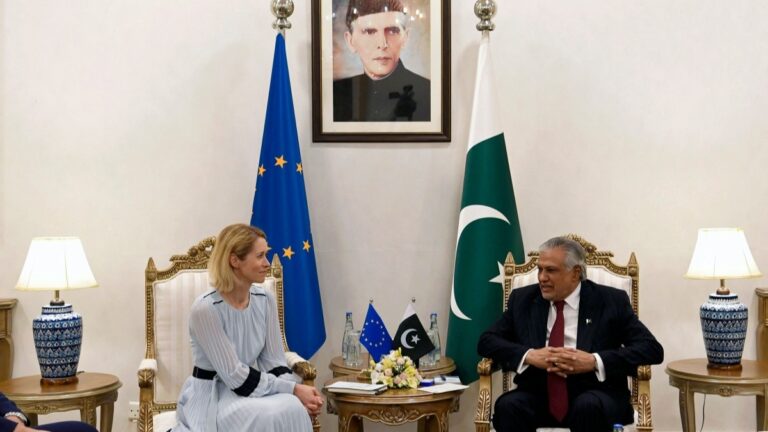
The clearest indication came from new foreign minister Anita Orbán, who declared that Hungary would no longer act as a “disruptive” force inside the European Union and would instead become a “reliable partner” focused on cooperation with Brussels and NATO allies.
The remarks amounted to an explicit rejection of Orbán-era policies that used Hungary’s veto power to resist EU migration quotas, sanctions policy, and financial and military support for Ukraine.
The incoming government has made clear that unlocking frozen EU funds will be a top priority. As punishment for the Orbán government’s resistance to the EU’s liberal-progressive agenda, Brussels has withheld billions of euros from Hungary under a “rule of law” pretext.
New justice minister Márta Görög confirmed on Tuesday that Hungary would revise its 2021 child protection law restricting LGBT content following a recent ruling by the European Court of Justice.
Growing pressure from Brussels on issues such as migration, Ukraine, and LGBT legislation could mean that Hungary risks surrendering sovereign decision-making in exchange for financial concessions.
Magyar has also signalled a shift from a pro-Israel policy, and support for deeper European integration, including a potentially painful euro adoption by 2030 and closer ties with Ukraine.
In his speech on Tuesday, Magyar painted a bleak picture of Hungary’s social and economic conditions, declaring that “millions are living in misery” because of Fidesz policies—a claim that is hard to substantiate considering official Eurostat data and recently released first quarter macro-economic figures.
In a recent Facebook post Fidesz MP, economist and labour market expert Piroska Szalai accused Magyar of making numerous factual errors, citing Eurostat and Hungarian statistical data showing that roughly 1.3 million people have escaped poverty since 2010.
She also highlighted rising real wages, falling child poverty, high rates of home ownership, and strong employment growth under Orbán’s governments, which created more than one million jobs in ten years after years of economic stagnation following the 2008 financial crisis.