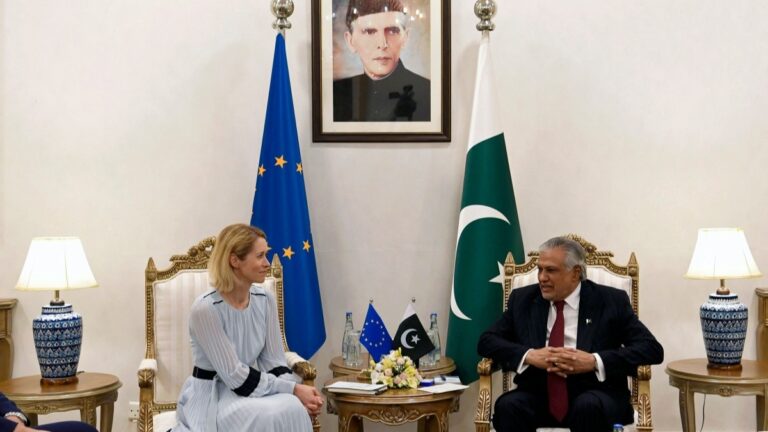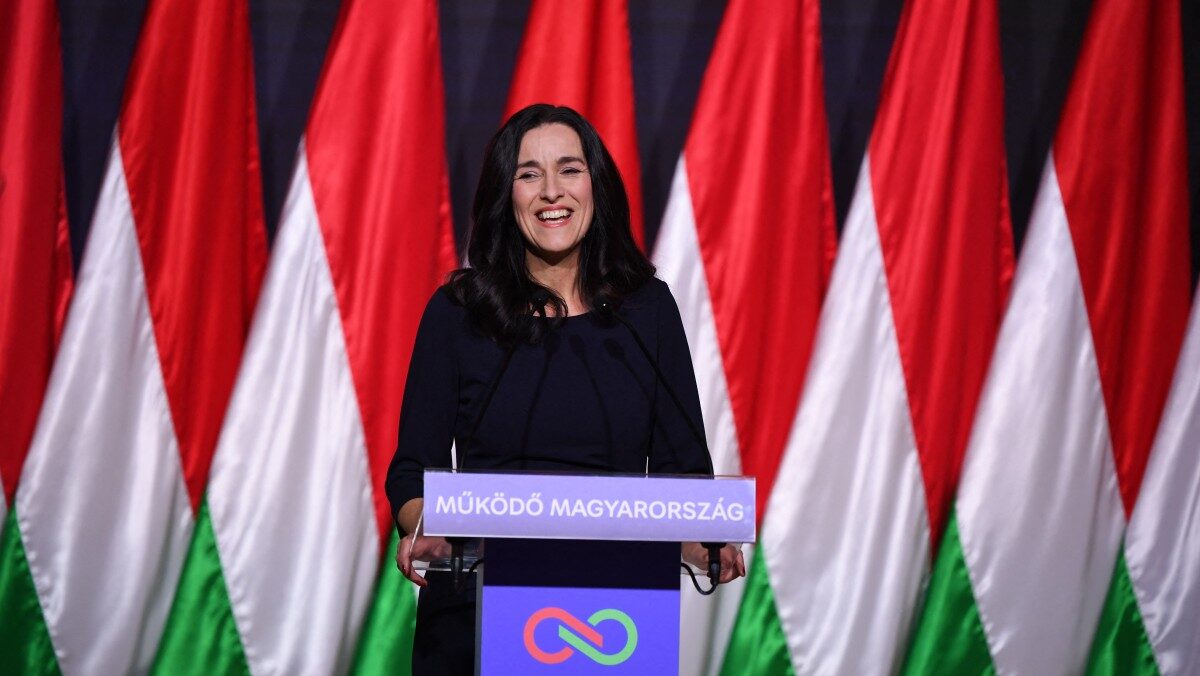
Hungary’s incoming Tisza government has signalled it will abandon Viktor Orbán’s confrontational approach towards Brussels, with foreign minister-designate Anita Orbán (no relation) declaring that Budapest will no longer act as a disruptive force inside the European Union and will instead seek closer cooperation with EU institutions.
Appearing before parliament’s European Affairs Committee on Monday, May 11th, Anita Orbán said the new centrist government would abandon what she described as an EU policy “based on blackmail.”
She claimed Hungary had too often acted as “a stick in the spokes” inside the European Union and promised that Budapest would instead become a “reliable partner” focused on cooperation and alliance-building.
Under Viktor Orbán, Budapest repeatedly resisted EU migration quotas, sanctions policies, and measures linked to the war in Ukraine.
Her remarks amounted to one of the clearest rejections yet of the previous government’s strategy of using veto powers to block EU decisions harmful to Hungarian interests.
Anita Orbán suggested the veto had been reduced to a domestic political weapon and insisted the incoming government would no longer use it in the same way.
Such rhetoric risks weakening Hungary’s negotiating position at a time when Brussels and several larger member states are pushing to replace unanimity with majority voting in foreign affairs—a move that would marginalise smaller countries.
The foreign minister-designate also made clear that restoring relations with Brussels and unlocking frozen EU funds would be a central priority of the new government.
Brussels has withheld tens of billions of euros of EU funds from Hungary under a rule-of-law pretext.
Anita Orbán argued that the reforms demanded by Brussels—including judicial changes, anti-corruption measures, and greater transparency in public spending—did not run against Hungarian interests. “Anyone claiming the EU expects something harmful to Hungarians is simply lying,” she said.
Former EU affairs minister János Bóka accused the Tisza Party of offering little clarity on where it would draw the line in defending Hungarian interests.
It seems the Tisza government is prepared to make major political concessions in exchange for access to EU funds, including adopting a more pro-Ukraine, pro-migration, and pro-LGBT stance.
On Ukraine, Anita Orbán stated that accession talks should remain merit-based and ruled out sending Hungarian troops to the country, but her broader emphasis on avoiding conflict with Brussels raises fresh doubts over how firmly the new government would resist EU pressure in the future.