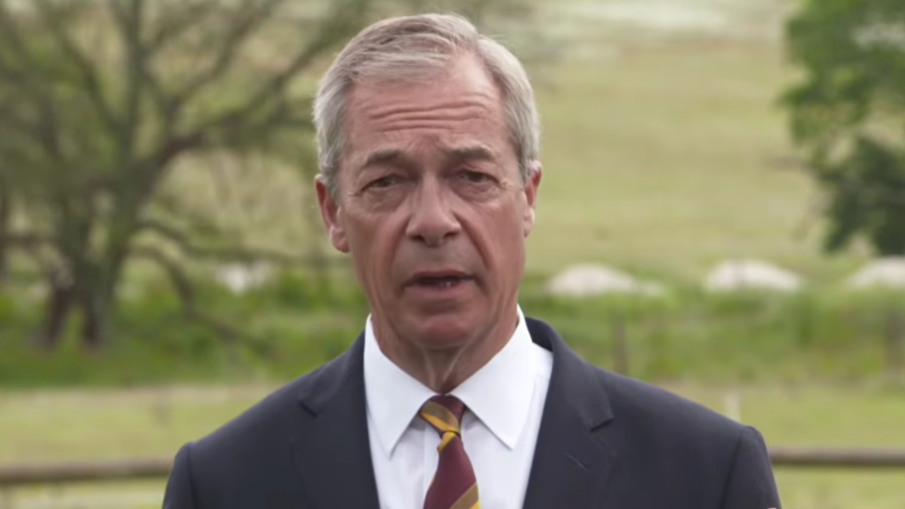
Nigel Farage during his “address to the nation” on the killing of Henry Nowak, on June 2, 2026
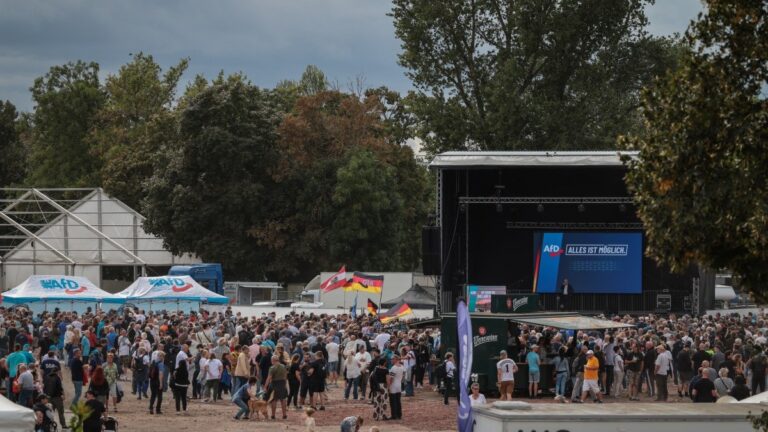
A screenshot of Reform UK’s live-streamed video on YouTube on June 2, 2026
A fierce political row has erupted in Britain over policing, race, and multiculturalism after the sentencing of Henry Nowak’s killer and the release of body-camera footage showing officers handcuffing the dying student while accepting false allegations of racism made by his attacker.
Reform UK leader Nigel Farage has accused Britain’s institutions of operating a system of “two-tier policing” after officers treated Nowak as a suspect rather than a victim while accepting claims from Vickrum Digwa that he had carried out a racist assault. The footage has reignited debate over diversity policies in policing and prompted fresh scrutiny of how British authorities handle incidents involving race.
Farage said the footage showed that “an accusation of a racial slur was treated more seriously than an act of murder” and argued that the case exposed deep cultural problems within British institutions. Referring to the treatment of Nowak after police arrived at the scene, he said the teenager had been “treated in a way that meant an accusation of a racial slur was treated more seriously than an act of murder.”
Drawing comparisons with the reaction to the 2020 death of George Floyd in the United States, Farage said: “What has the public reaction been from our leaders and politicians and indeed, to be frank, much of the media to this? Silence, absolute silence. Proof, if ever there was any, that we’re living in a two-tier culture in this country where the rights and privileges of white people matter less than those of ethnic minorities.”
The controversy intensified after Hampshire Police released footage showing Nowak repeatedly telling officers he had been stabbed and could not breathe before being handcuffed. The Independent Office for Police Conduct is continuing its investigation into the officers’ actions.
The case has also increased pressure on Prime Minister Keir Starmer, who faced criticism from opposition politicians and commentators for not publicly addressing the case until after the conclusion of Digwa’s trial. Starmer later described the murder as “awful” and “shocking” and said it was right that the police response was being investigated.
The government has defended its handling of the case. Cabinet Office minister Nick Thomas-Symonds rejected claims of two-tier policing and argued that ministers had refrained from commenting publicly while criminal proceedings were ongoing. At the same time, he described the body-camera footage as “absolutely shocking” and acknowledged that serious questions remained about the actions of the officers involved.
Meanwhile, Reform UK has renewed calls to abolish legal exemptions allowing Sikhs to carry ceremonial knives in public. At the time of the killing, Digwa was carrying both a traditional kirpan and the larger ceremonial blade used in the attack.
In his sentencing remarks, Judge William Mousley KC rejected Digwa’s claims that he had been subjected to racist abuse and concluded that he had repeatedly lied to police about the circumstances of the killing. The judge said those lies influenced officers’ actions at the scene, contributed to the arrest of the dying victim, and helped fuel wider racial tensions after the case became public.
The judge also delivered a stinging rebuke to Digwa’s conduct, telling him that he had “brought shame upon your family, your community and your religion.” Mousley further found that Digwa had abused the legal privilege granted to Sikhs to carry ceremonial blades in public and had contributed to fears of a backlash against innocent members of the Sikh community.
With the police watchdog’s investigation still ongoing and Parliament demanding answers from ministers, the case has become a flashpoint in Britain’s increasingly polarised debate over race, policing, immigration, and public trust in state institutions.