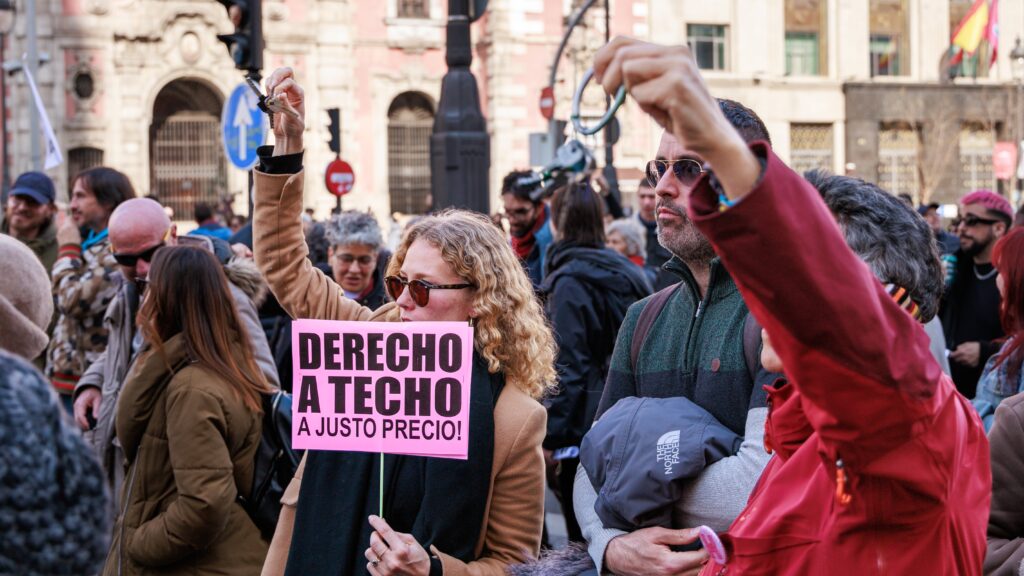
Spanish MEP Irene Montero proposes to expropriate homes rather than build new ones as a solution to the housing crisis in Europe.

An Islamic network grew in plain sight while the elites looked the other way.
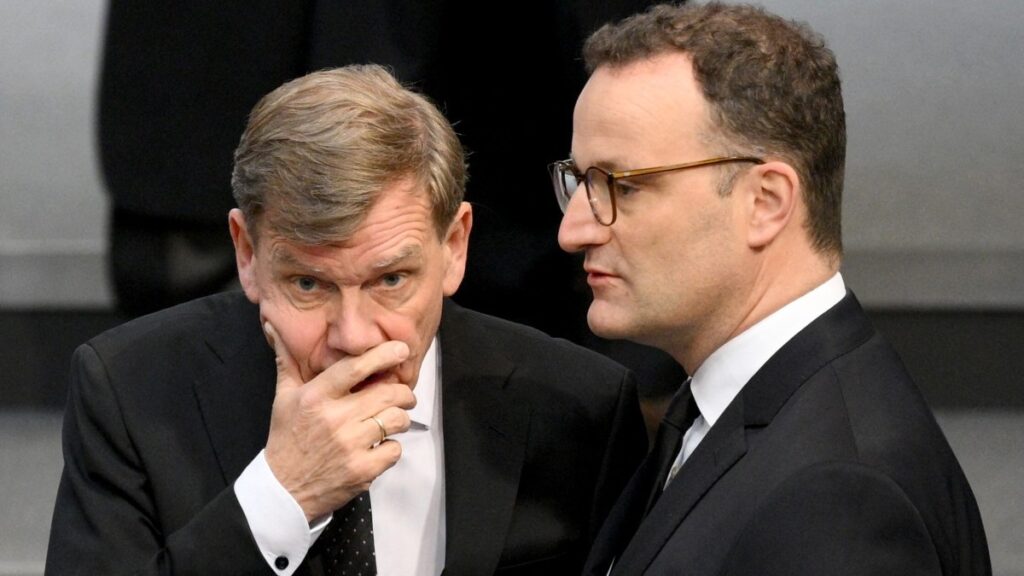
To justify the undemocratic move, the CDU invoked AfD’s recent “far-right extremist classification,” conveniently forgetting that it has since been suspended.
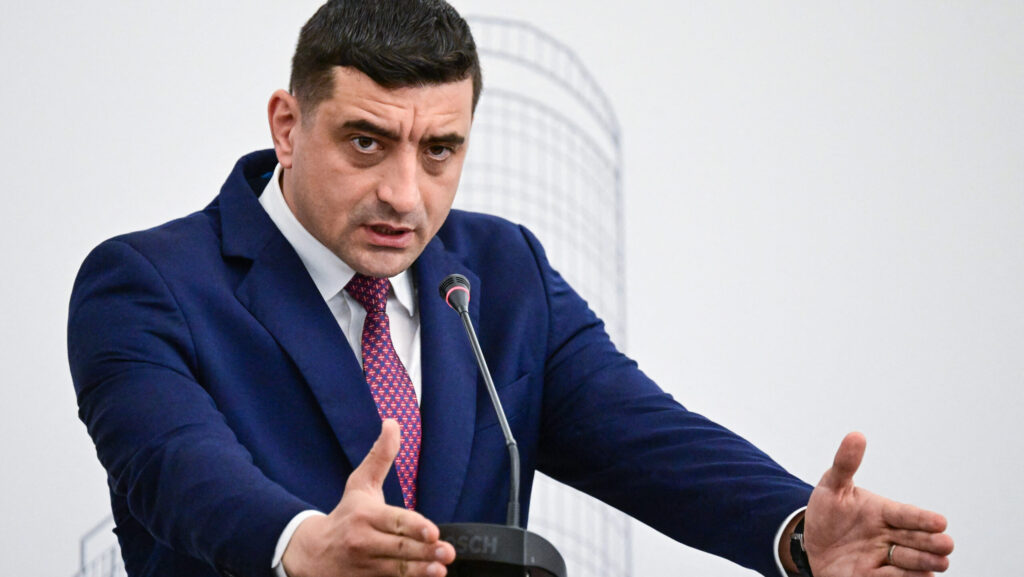
Simion says EU allies interfered—just months after a nationalist win was annulled over unproven Russian ties.

The court cites evidence in at least three separate cases involving crimes such as fraud, document forgery, money laundering, and incitement to hatred on social media.
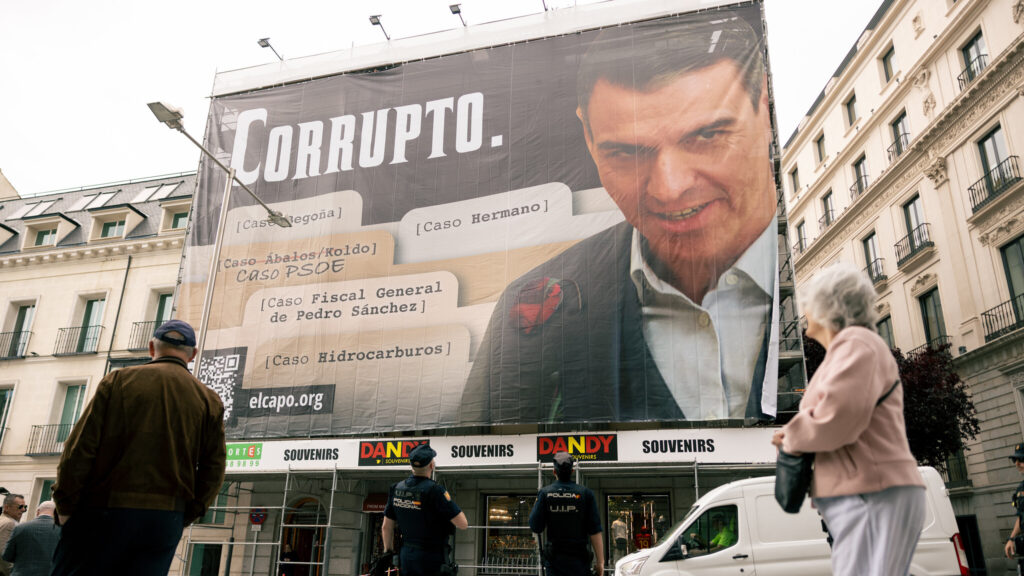
A court-ordered takedown of a banner accusing Spain’s PM of corruption has sparked nationwide outrage.

The request, which has not yet been officially published, exclusively targets members of the Parliament’s three establishment political groups.
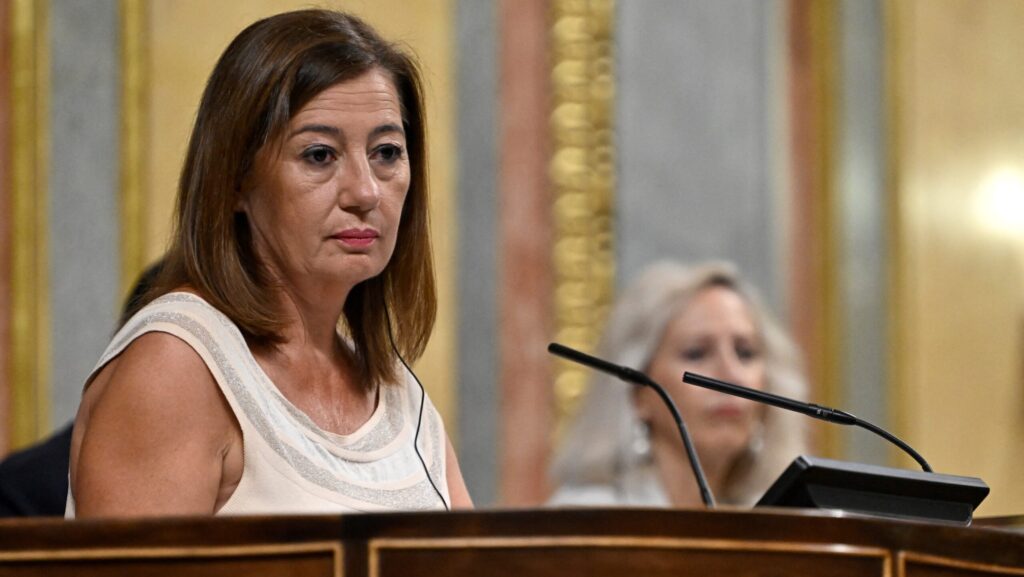
A film exposing the violent legacy of the PSOE was banned just hours before its premiere in Parliament.

After Portugal’s renewable energy gamble ends in a blackout, its energy minister now points fingers at its neighbor to the north for ‘violating’ common market agreements.

The Socialist Party’s leader announced his resignation after the severe loss of seats and the historic tie with Chega.

As Germany and France crumble, and Brussels keeps drifting from national concerns, a leadership vacuum has opened—and Meloni is ready to step in.

The Socialists had long ignored the plan—but mounting pressure from far-left coalition partners and business groups changed that.