Saturday’s actions, involving about 25,000 people, were not a demonstration but an attempt to shut down the event through blockades and threats of violence.

Is there any better expression to describe the mechanisms maintaining the political power of parties that have been losing votes for years?

This dangerous nonsense plays into the hands of inept politicians incapable of solving the country’s pressing problems.
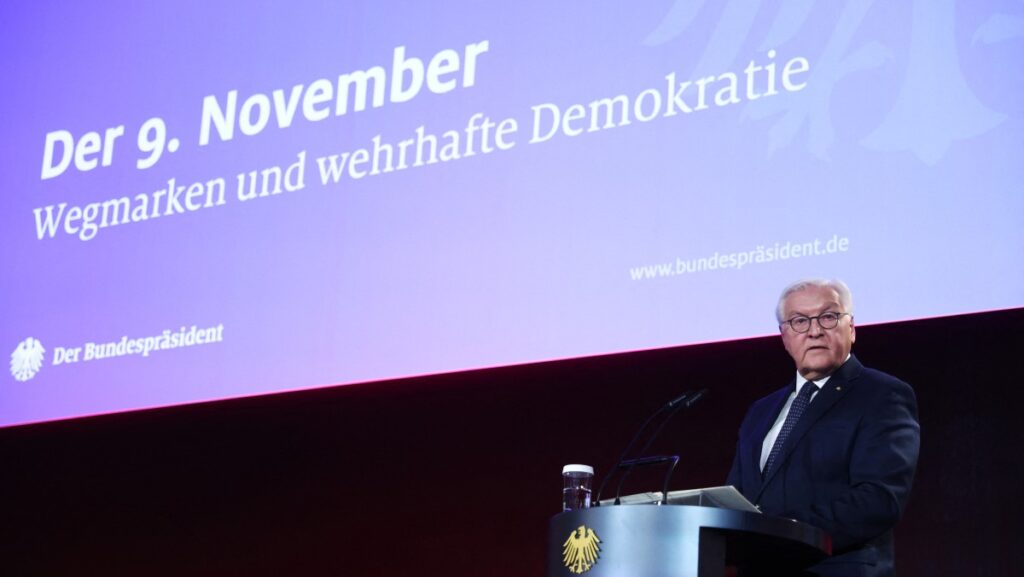
When politicians exploit historical memory to score partisan points rather than preserve truth, they teach the public that the past is merely a tool for present manipulation.
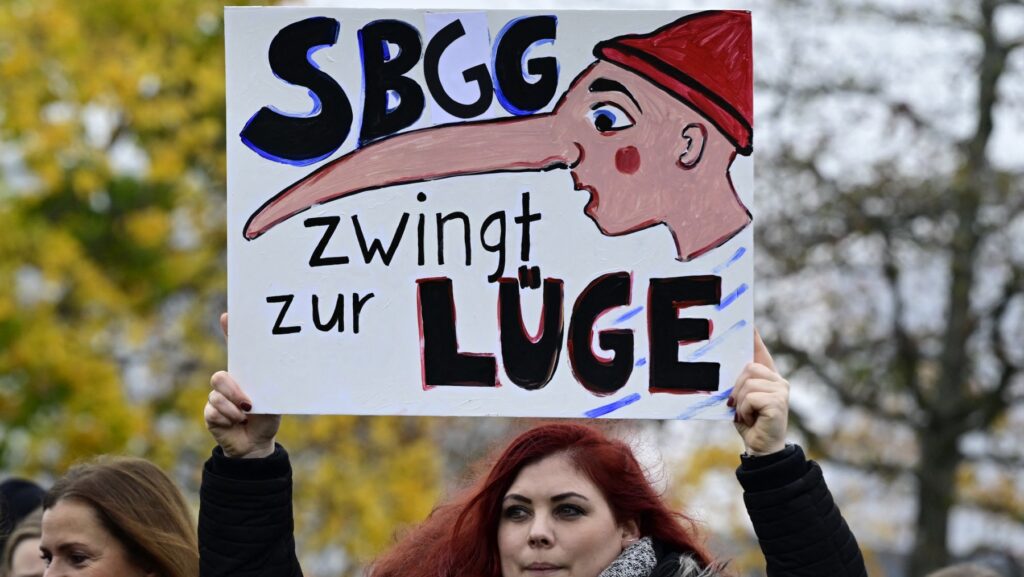
Since its implementation, anybody who doesn’t accept a person’s new name or gender must expect heavy fines.

The establishment elite’s fake consensus is dragging Germany into the abyss they claimed only populists could create.

Our elites have retreated from the values that once constituted the core of military ethos. Service, duty, courage, discipline, loyalty—all are seen as hopelessly outdated, if not genuinely dangerous.

The Israeli-German hostages surely asked themselves: What purpose does our German passport serve if the German state won’t fight for our lives?

Though Germany’s divisions appeared larger than ever on a day designed to commemorate unity, these divisions are not geographical but political, cultural, and social.
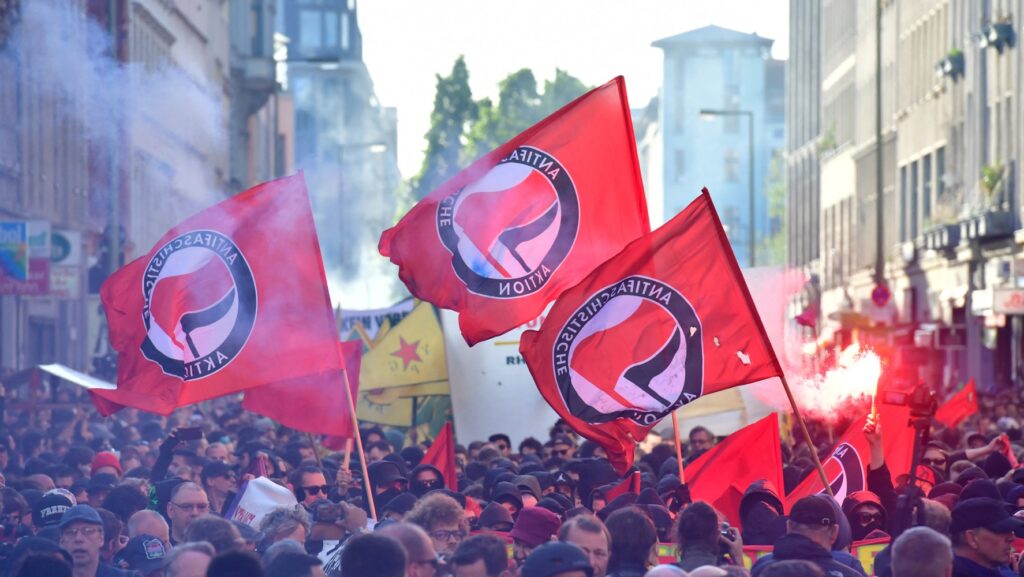
If we fail to challenge the anti-humanist ideology underlying modern thinking, we cannot be surprised when sections of the next generation are lost to undemocratic nihilism.
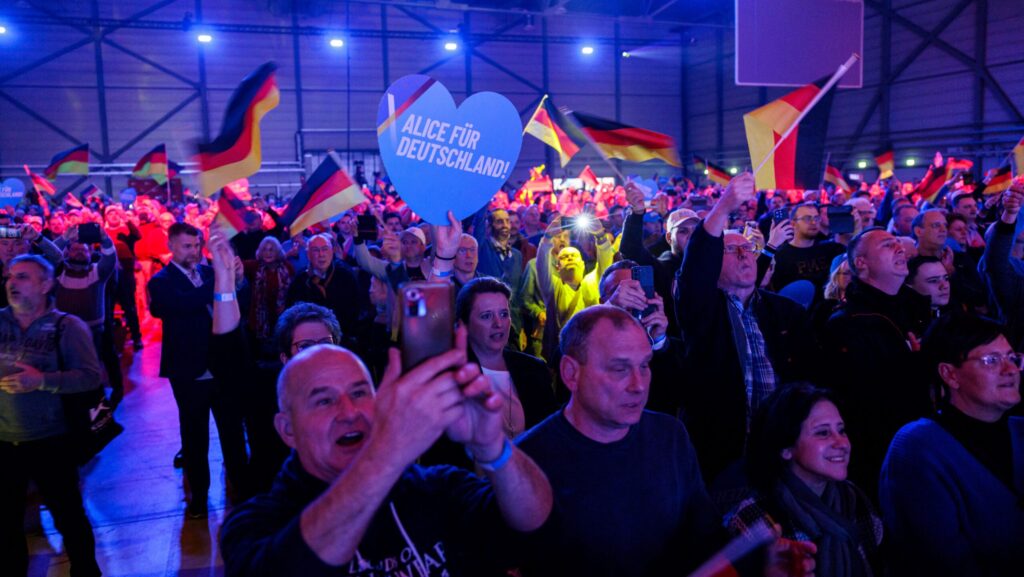
Today’s attempts to ban AfD represent something unprecedented: a governing elite attempting to eliminate its primary opposition to preserve its own power.
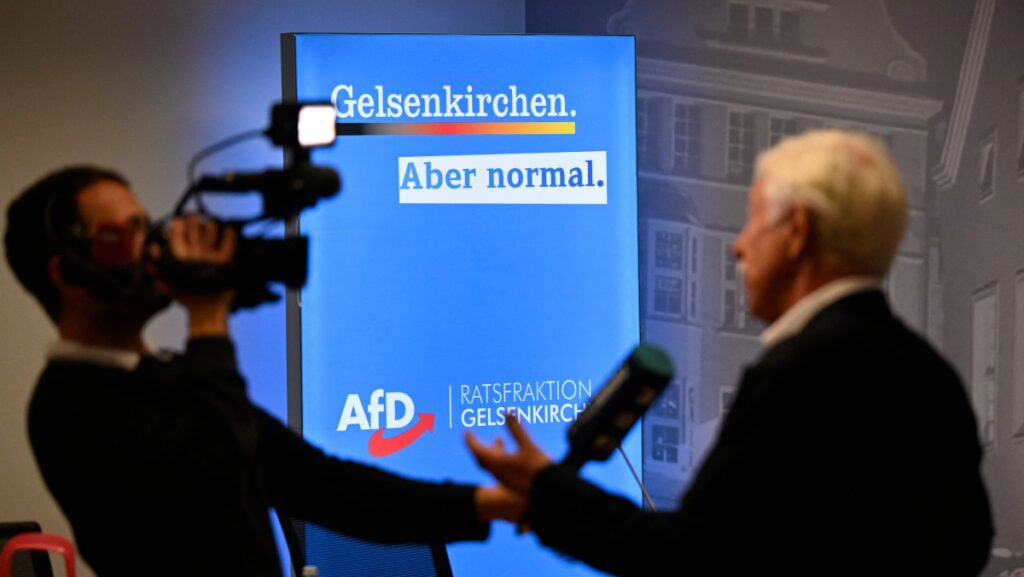
The elections in North Rhine-Westphalia prove the catastrophic failure of establishment anti-populist strategy.