From California to Norway, governments show reckless creativity in their pursuit of more revenue.

Half of all EU states are below 1% GDP growth with no improvement in sight.

Almost 40 years after the fall of the Berlin Wall, we see the first big crack in the ‘democratic’ version of socialism, giving conservatives a historic opportunity to make Europe great again.

A large majority rejects the socialist welfare state as unaffordable. This is a golden opportunity to turn Germany in a more conservative, more prosperous direction.

With most of the continent’s economies trapped between stagnation and decline, it is time to revive the forces that once made the West the greatest prosperity machine in history.

Freedom of expression is under worldwide attack. If this does not stop, the shadows from a very dark past will soon block out the beacon of liberty.

No matter how we turn and twist the numbers, it is hard to see how Europe’s struggling industries will gain anything from this new trade agreement.
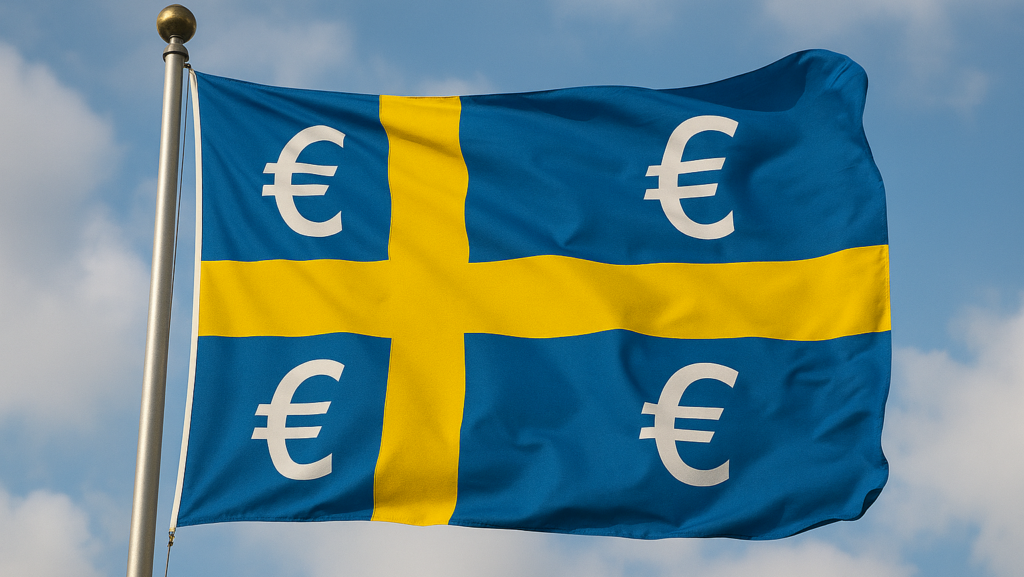
The September election is shaping up to be a fight over what currency the Swedes should be using in the future.
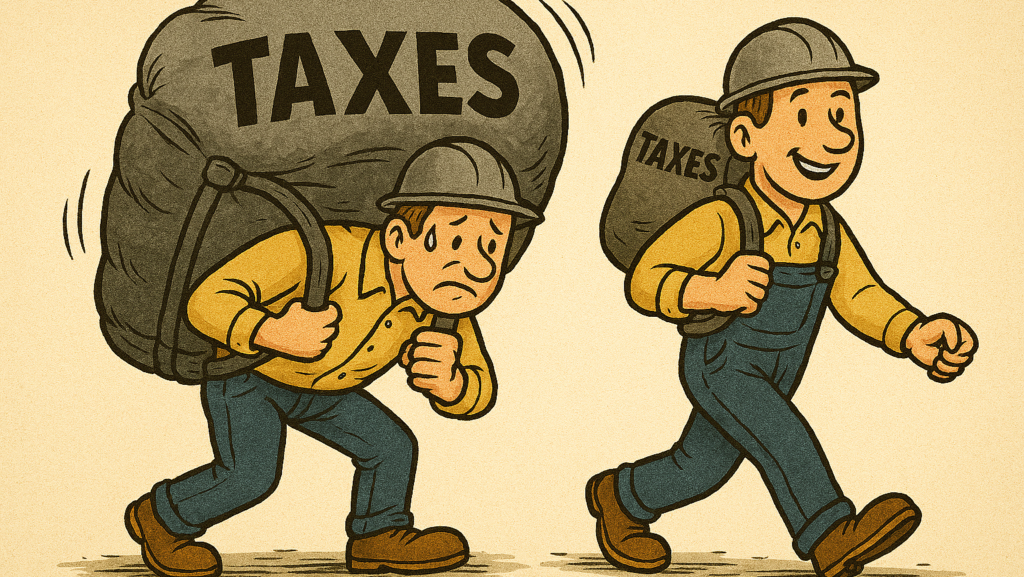
Europeans have not always paid the high taxes they pay today.

President Trump plays Europe’s political elite like a violin.

With a stagnant economy and debt costs already rising, Europe could not be in a worse position to plan a military buildup.

Flagship automaker Mercedes’ relocation of its production accelerates the decline of Western Europe as an industrial power.