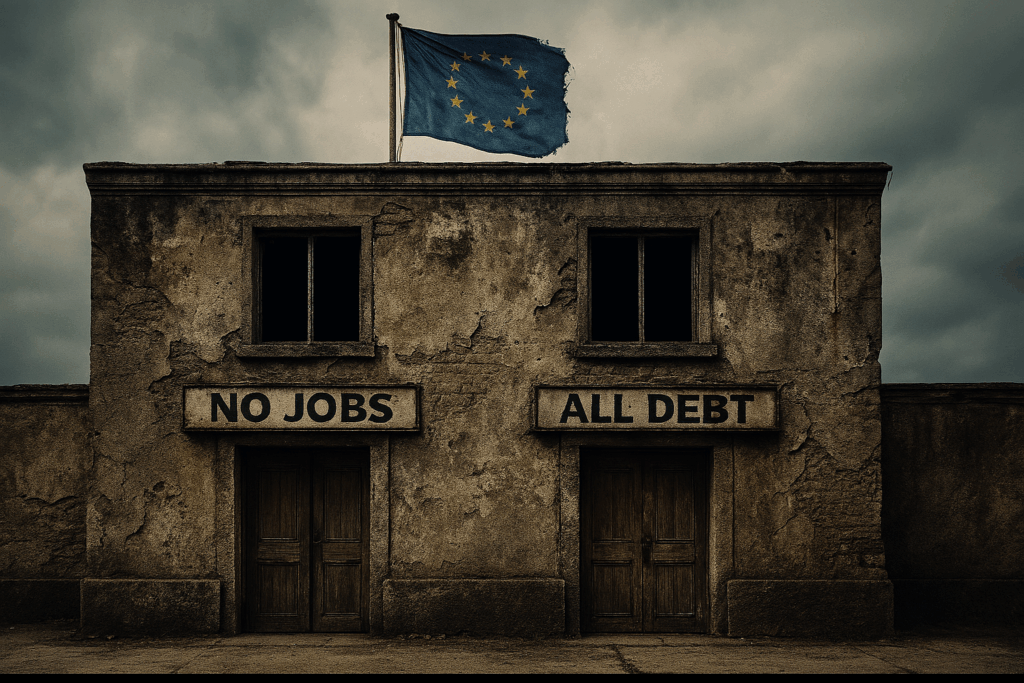
Comparing the market and par values of sovereign debt may seem like a dry exercise, but it reveals critical insights into the European economy.

Prime Minister Orbán recently confirmed that Hungary has no intentions of joining the euro zone. This is one of his best and most consequential policy decisions ever.

Deregulating markets and industries will amount to nothing unless we first do away with the elephant in the room: the welfare state.
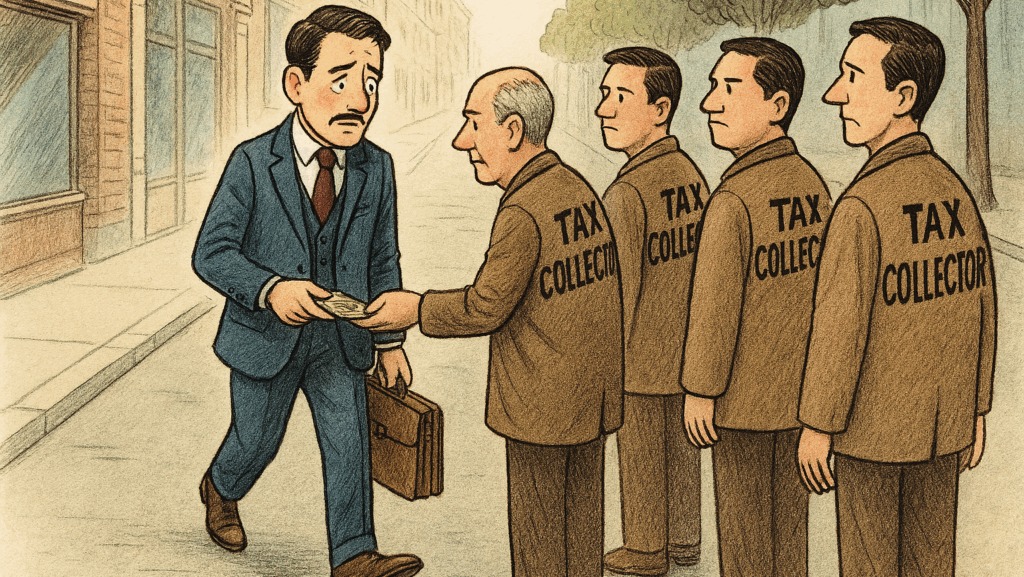
A new levy on high-end wealth looks innocent when it is first introduced. However, a simple experiment shows how destructive the ‘Zucman tax’ really is.
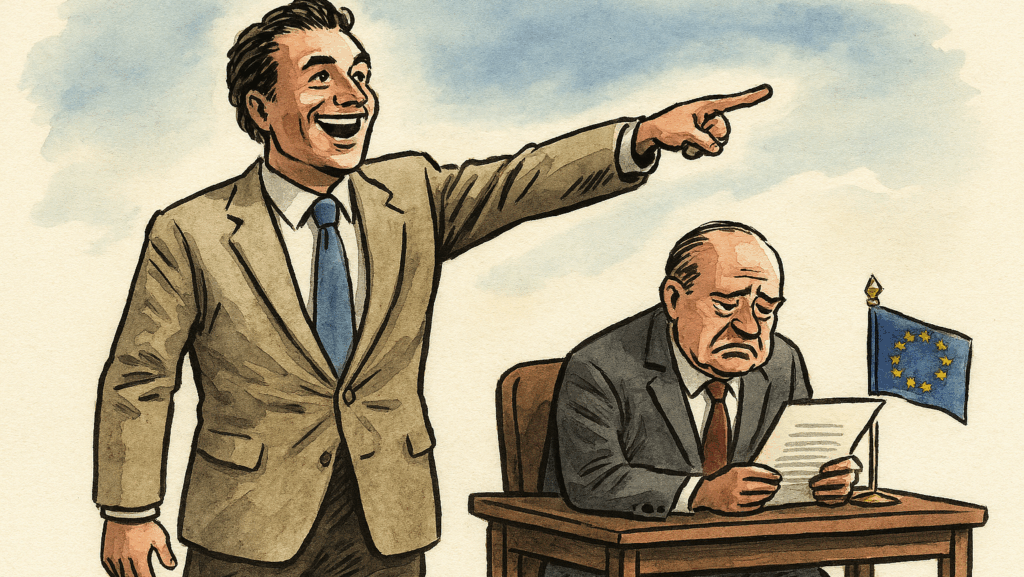
Ruled by establishment politicians with no other vision than to stay in power, Europe is drifting into disintegration and demise. But there is hope, inspired by the continent’s very few visionaries who know how to lead.

The center-right government just proposed a very good budget. Ten years too late.

When the next major fiscal crisis hits, Europe’s credit-challenged governments will pull down the banks with them. A crisis bigger than the one 15 years ago can no longer be ruled out.

The French government is facing the same fiscal crisis as in 2012—but this time, the ECB won’t be able to help them.

If there is one takeaway from this assassination, it is that conservatives must get up from their armchairs and stop being nice. You cannot talk to those who hate you.
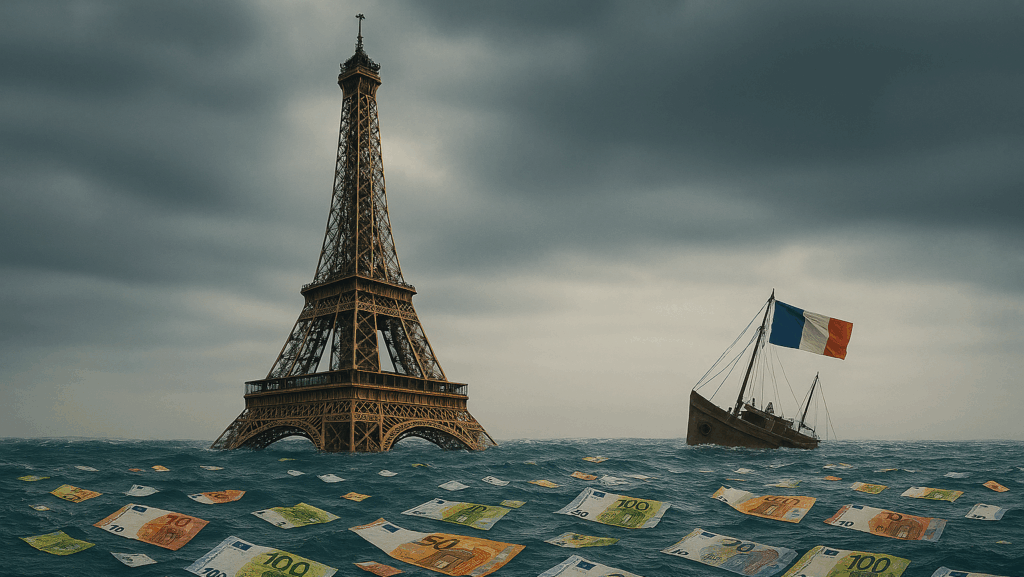
Like a rudderless ship, France is sailing straight for the same cliffs that broke the Greek economy 15 years ago. Will President Macron meet his Waterloo in the hallowed hallways of the IMF?

Facing a major budget gap, Bucharest must choose: fix the deficit or launch a broader economic rescue. So far, Prime Minister Bolojan has shown little leadership to do either.

Slovakia faces the same budget dilemma as Germany. Whether Prime Minister Fico will match Chancellor Merz’s bold move to announce an end to the welfare state remains to be seen.