

Individual citizens cannot be trusted to understand ideologies. They must be guided, Ebeling explains, by “collective epistemic agents.” But what knowledge are these agents supposed to help citizens gain?

Numerous commentators pointed out the ironic aspect of her act of virtue signaling. One commentator noted VW’s history with using Jewish forced labor during World War II.

The Riksbank warns of further increases, predicting a lead interest rate at 3% early next year.
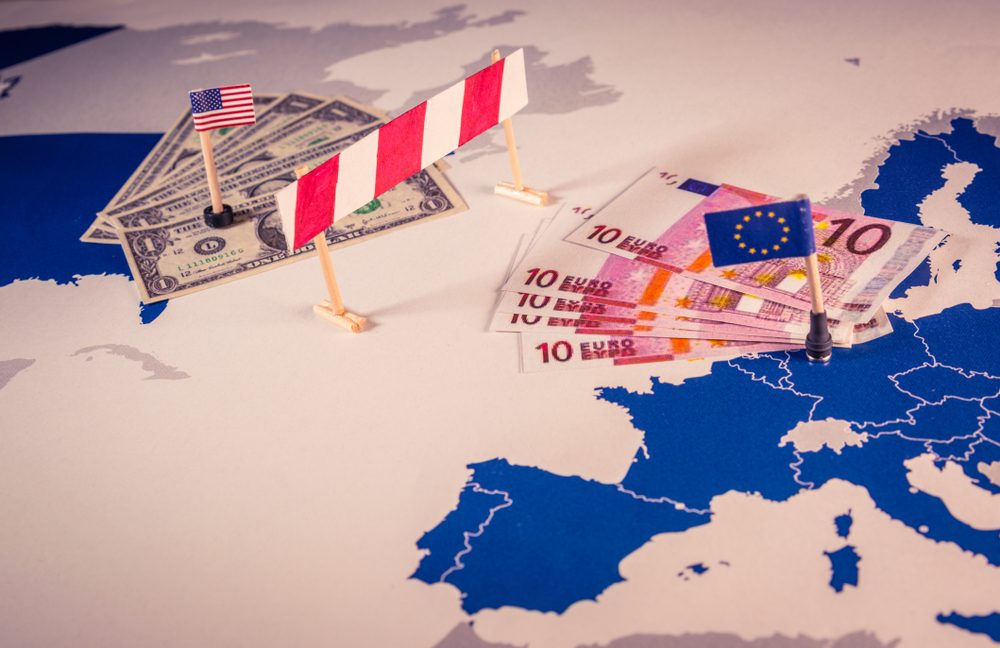
While the cost of doing business in Europe has increased dramatically in the last year, the euro has also lost value against the dollar. The depreciation benefits euro-zone exports to America.

Whichever candidates Trump will face in the 2024 presidential primary elections, they will be tough contenders. Running for president is not for the faint of heart.

Some forecasters believe that inflation will persist for an extended period of time. I disagree, and if the signs of an inflation peak are as strong as I believe they are, then Europe could be out of this inflation episode before next summer.

Chapek vowed to donate $5 million of the company’s money to a campaign that promotes gender transition for children.

According to the website of Yachting Monthly, Lehtinen escaped the sinking boat by activating an emergency life raft as well as his personal locator beacon.

The term ‘democracy’ no longer refers to a system of government held above ideological bias. Increasingly, it is being misused as a synonym for an election won by ‘the preferred ideology.’ That ideology is socialism.

Unsurprisingly, Taiwan was the most tense subject of conversation.

The U.S. government currently appears to be engaged in a slow-paced disclosure program. It is time for the rest of us to entertain the possibility that UFOs are extraterrestrial.
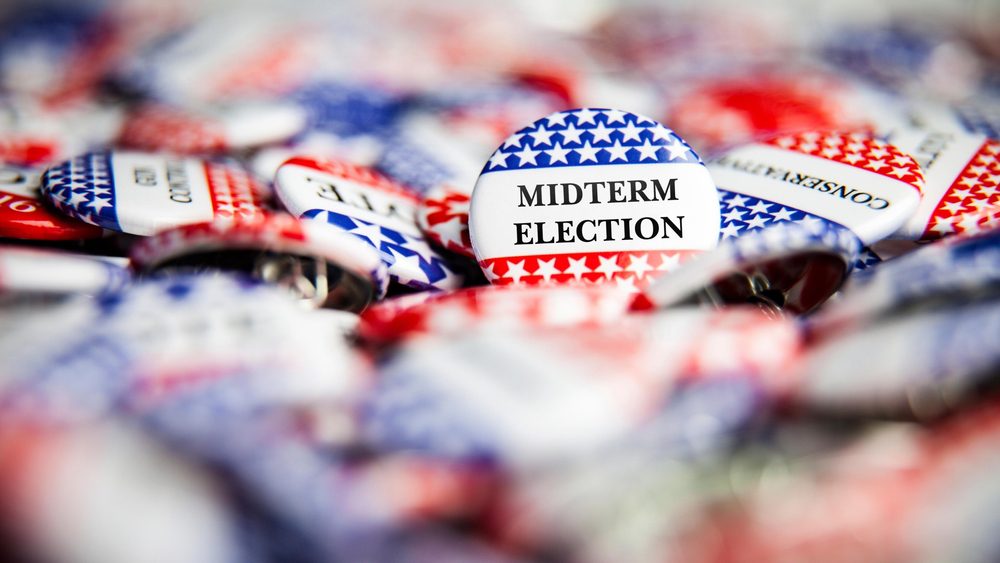
We cannot know for certain what the outcome of the election will be; the very fact that there will be recounts only gives more weight to the “what happened?” question.