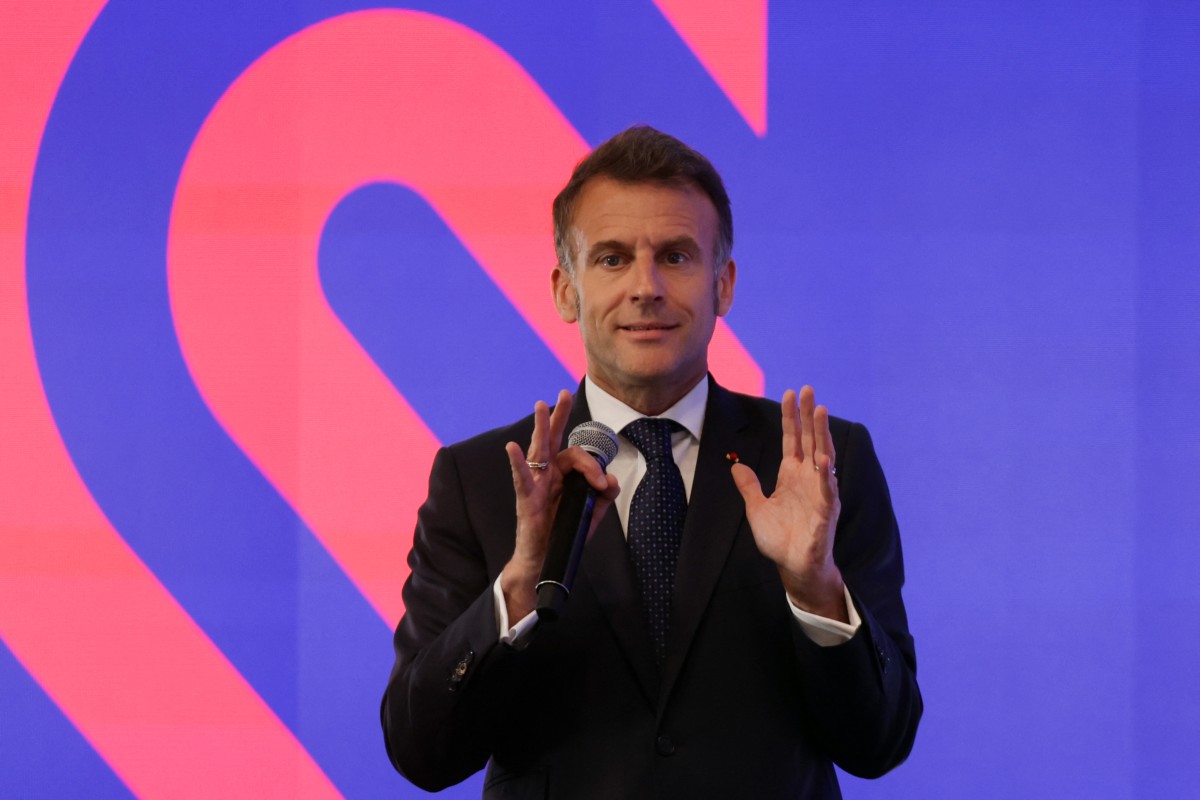
Addressing the Japanese business elite, the French president argued that Europe’s ‛slower’ pace is a strategic asset, offering a level of certainty that more volatile global powers cannot match.
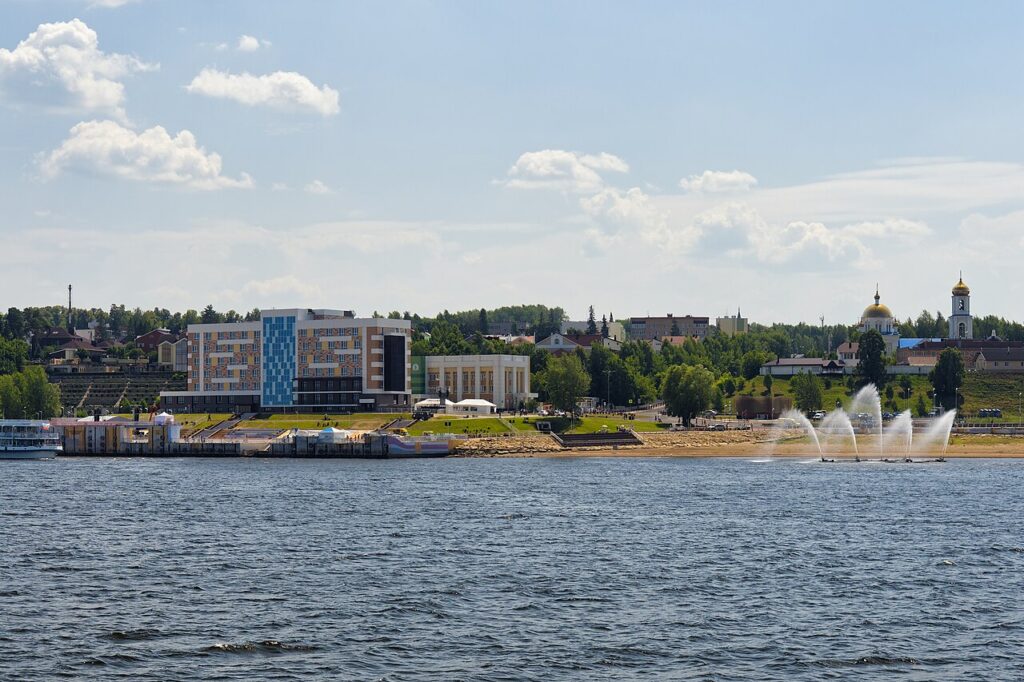
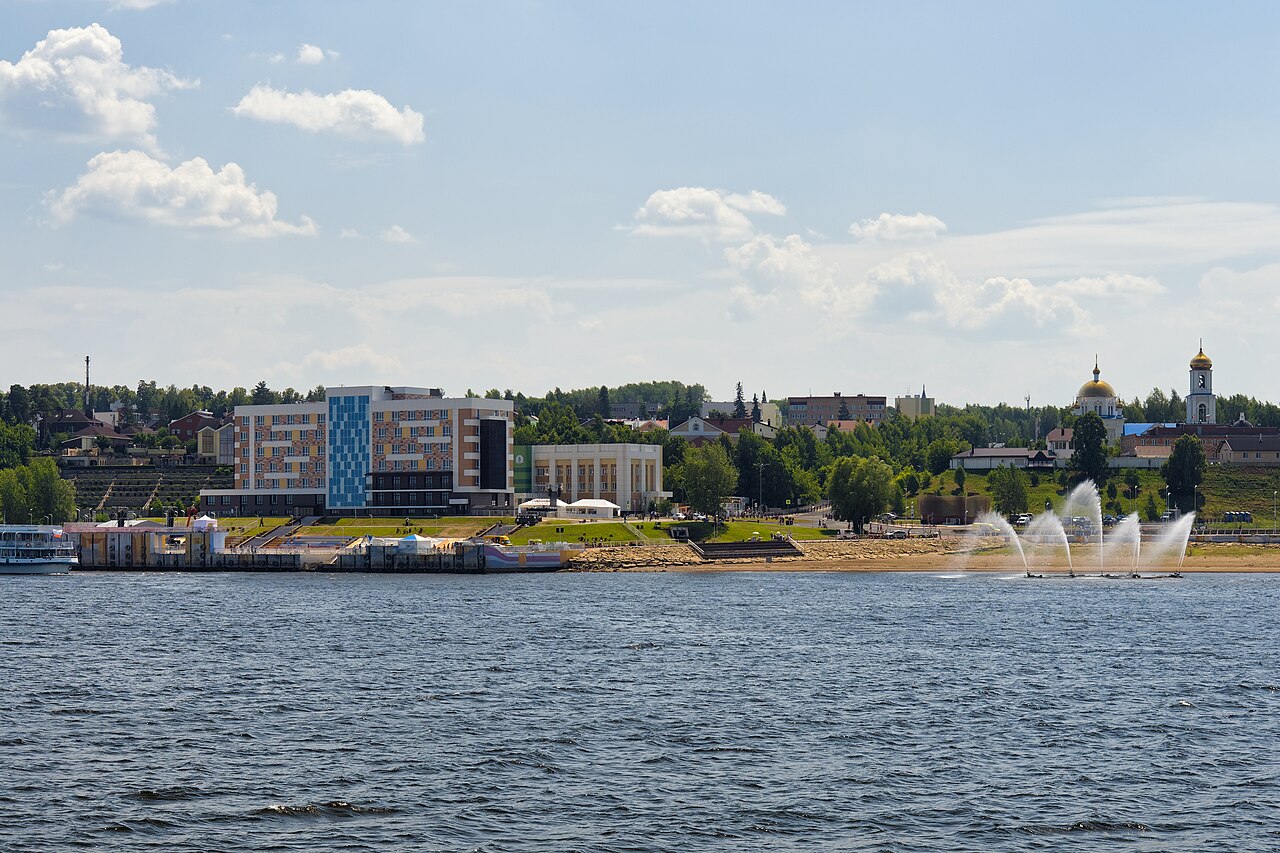
Authorities confirmed no hazardous emissions were released, and continuous air monitoring is in place at Nizhnekamskneftekhim to ensure public safety.

Brussels chief Costa urged Iran’s president to halt regional attacks and pursue diplomacy to reopen the flow of oil from the Arabian Gulf states.

Germany’s planned tobacco tax hikes could raise €1.2 billion next year and €3.8 billion by 2030.
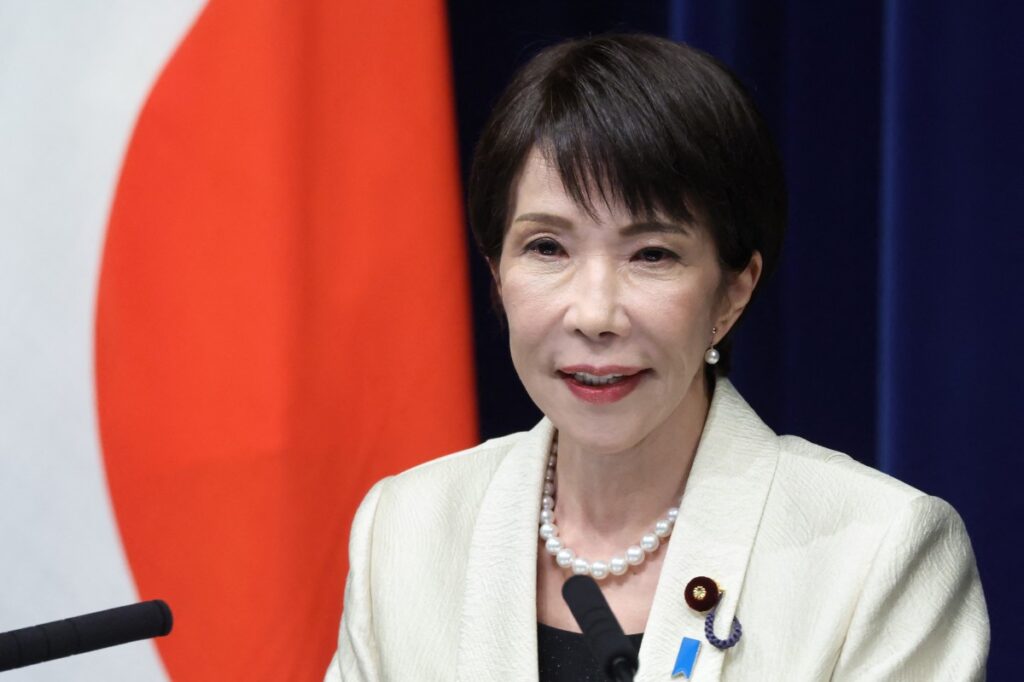
Japan remains highly dependent on energy imports from the Middle East, which provides around 95% of its oil supply—prompting a search for stronger strategic partnerships.
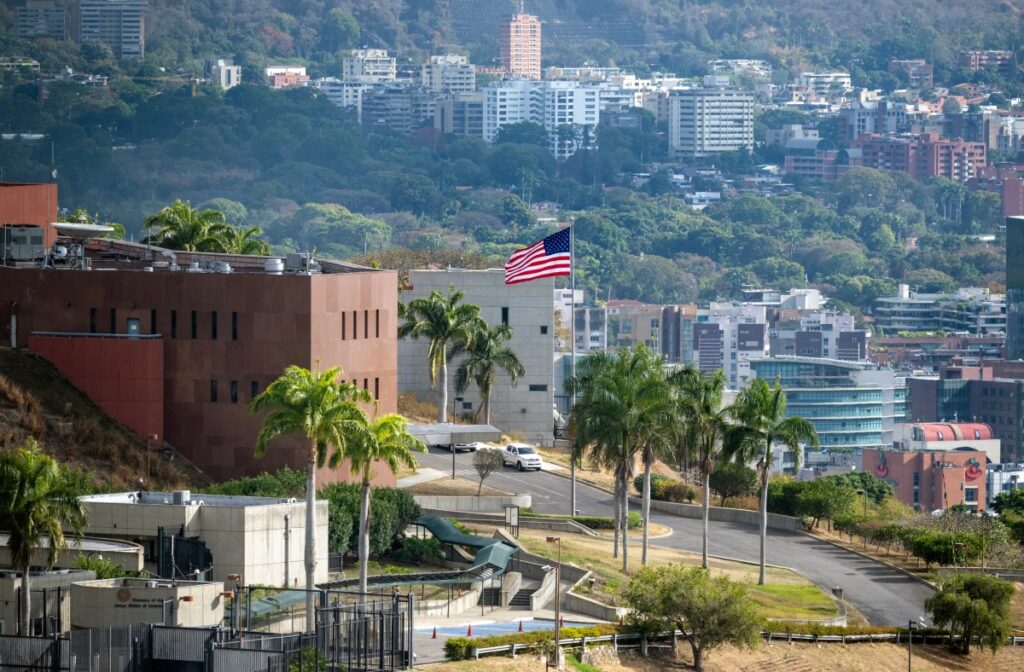
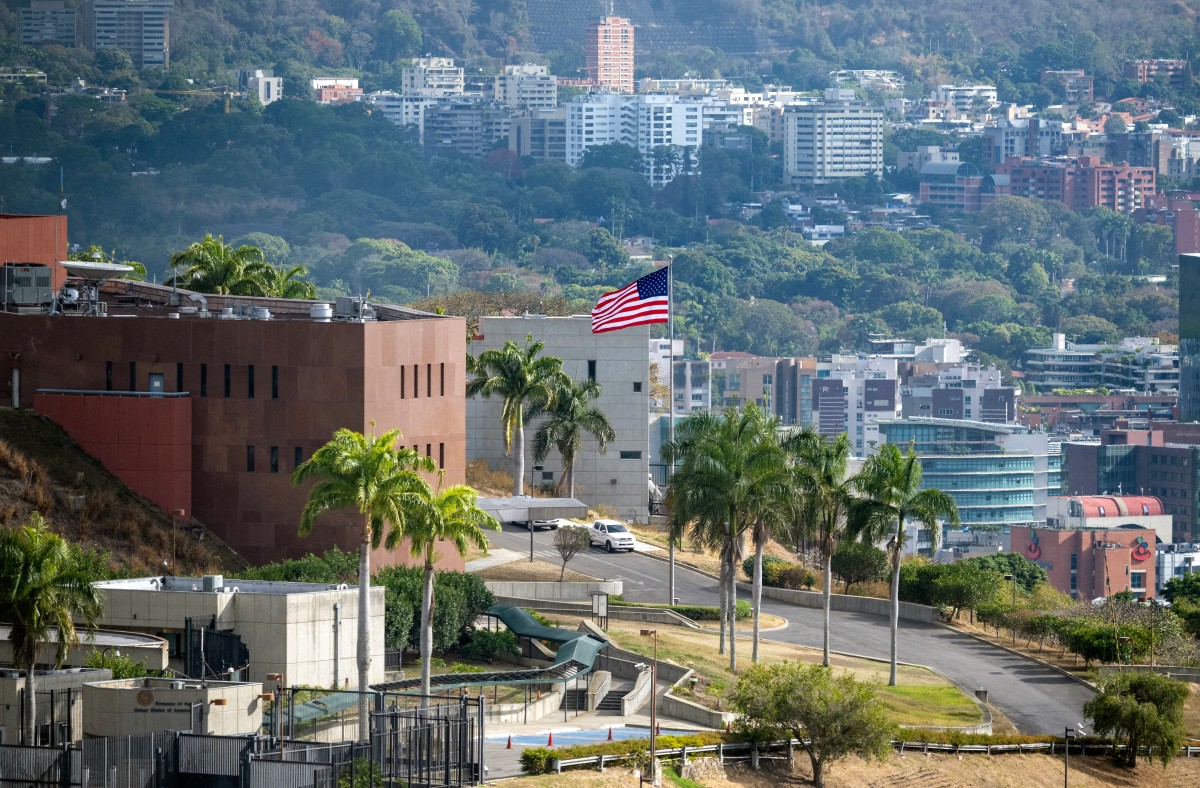
Washington closed the Venezuelan embassy in March 2019 after declaring Nicolás Maduro’s re-election illegitimate.

Markets edge higher on hopes of diplomacy, even as fighting intensifies across the Middle East.
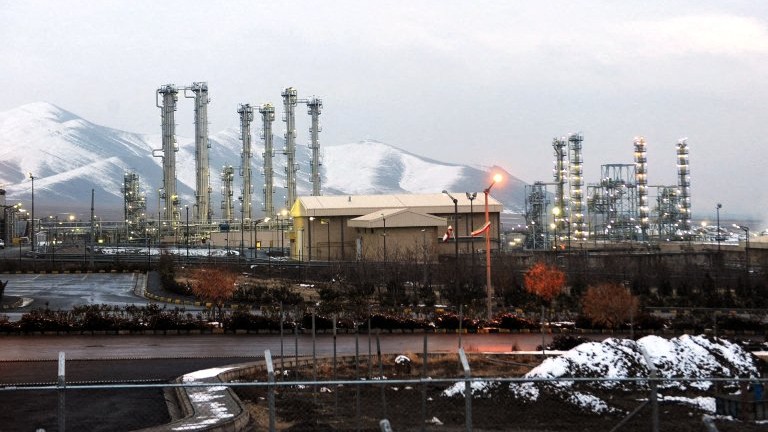
The International Atomic Energy Agency reports that satellite imagery shows severe damage at the Khondab heavy water production site.
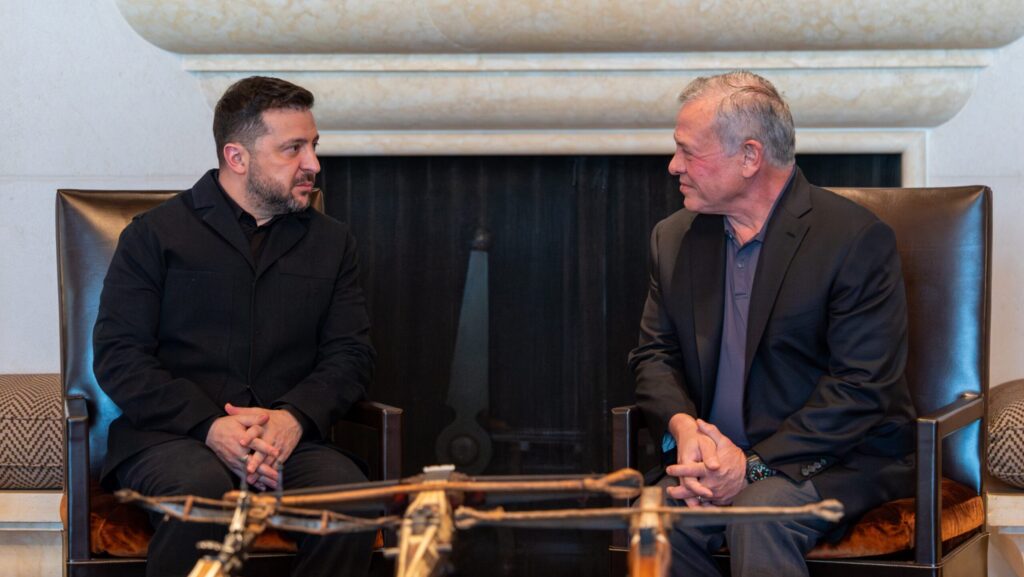
Kyiv offers its drone warfare expertise to Gulf states as Iran’s regional strikes drive demand for new air-defence solutions.
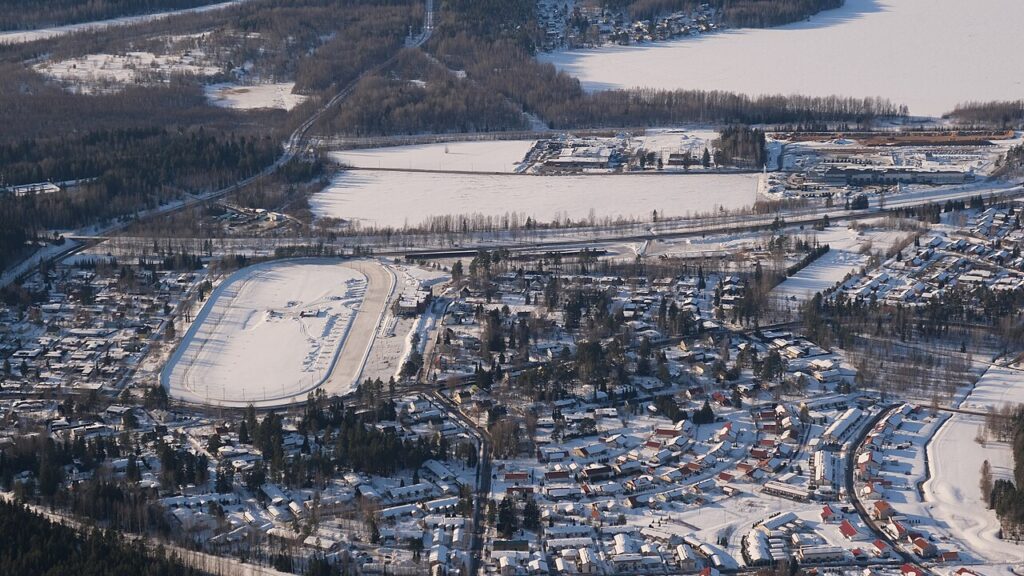
Two unidentified drones crash in southern Finland, with authorities investigating a possible territorial violation and links to the war in Ukraine.
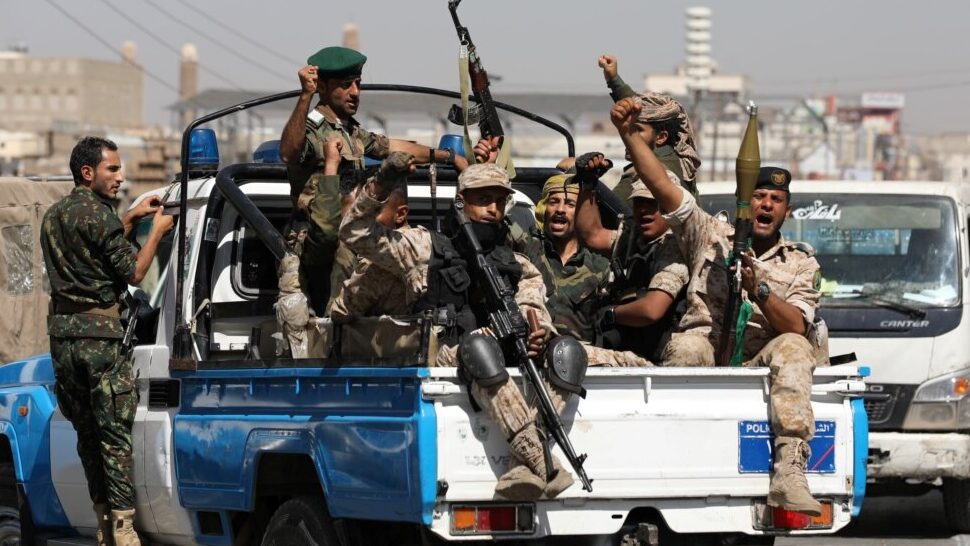
The attack by Yemeni rebels open a new front in the conflict, raising fears of wider regional escalation and threats to global shipping routes.
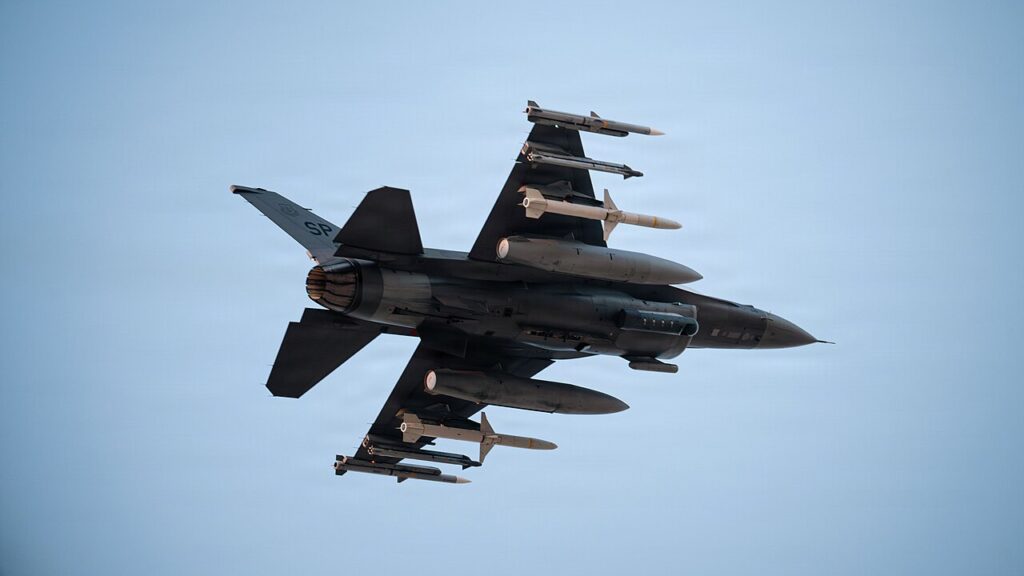
Regional powers push for de-escalation as Tehran dismisses Washington’s offer and tensions continue to rise across the Middle East.