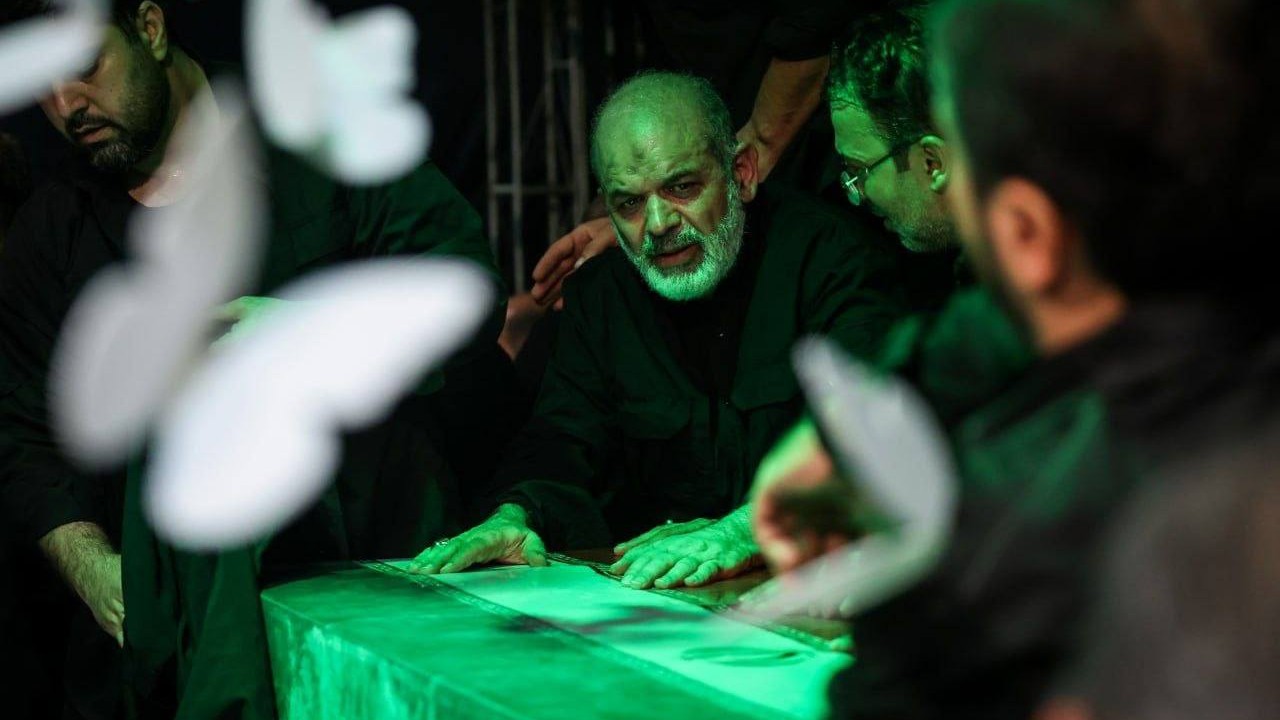
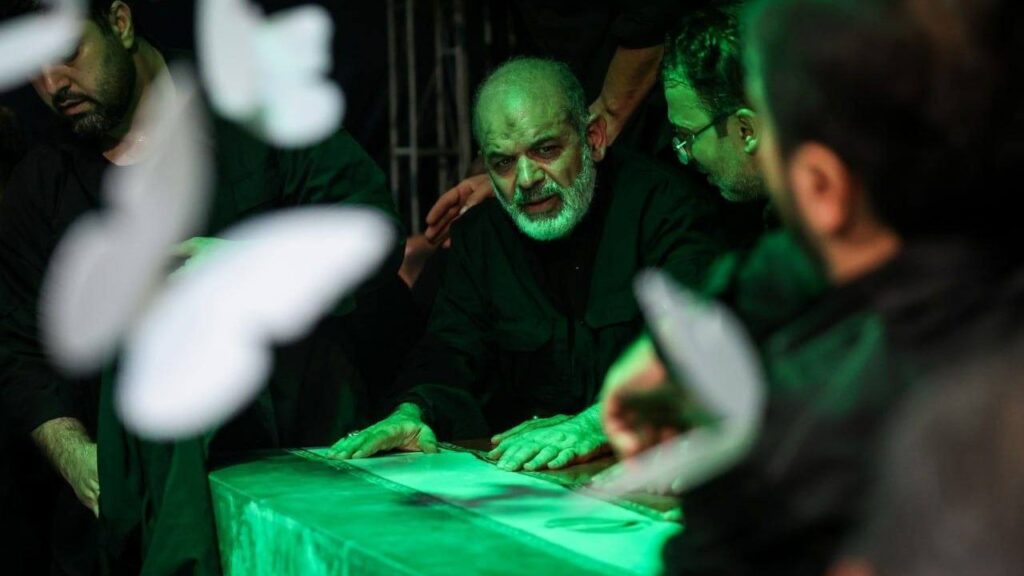
Ahmad Vahidi paid his respects before the body of Ali Khamenei in Tehran.
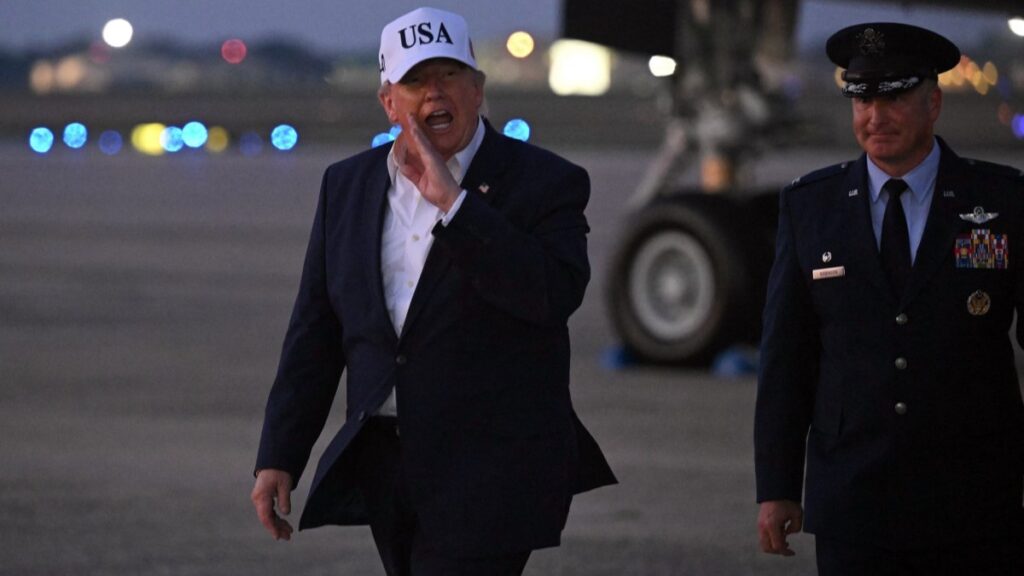
As U.S. pressure grows ahead of next week’s alliance meeting in Turkey, Canada could be preparing to launch a ‘resilience bank.’
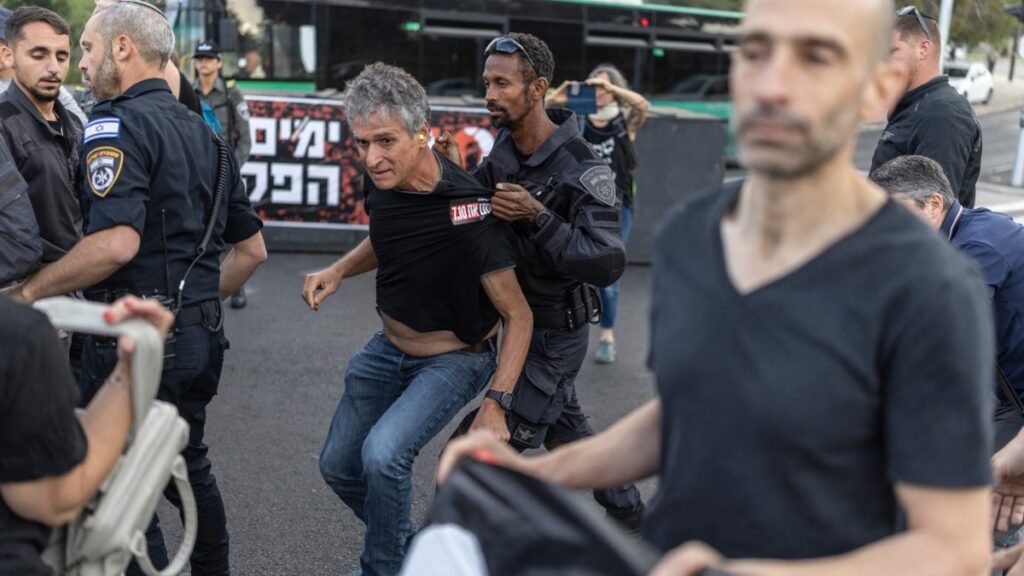
Memorial gatherings across the Jewish State are set to include some dissent concerning government policy before and during the Gaza war.
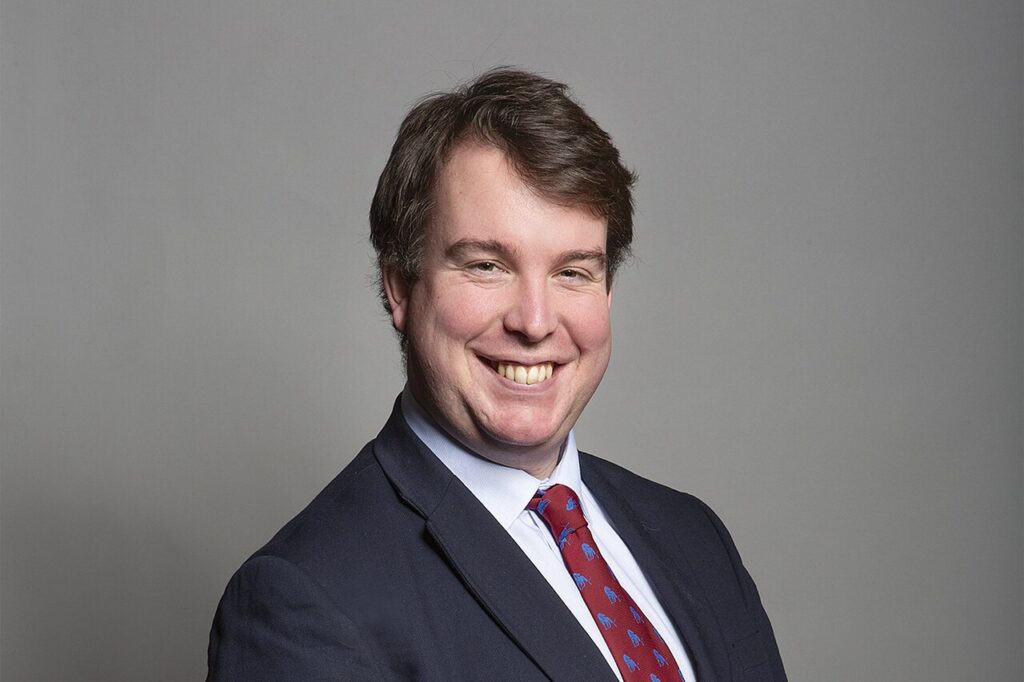
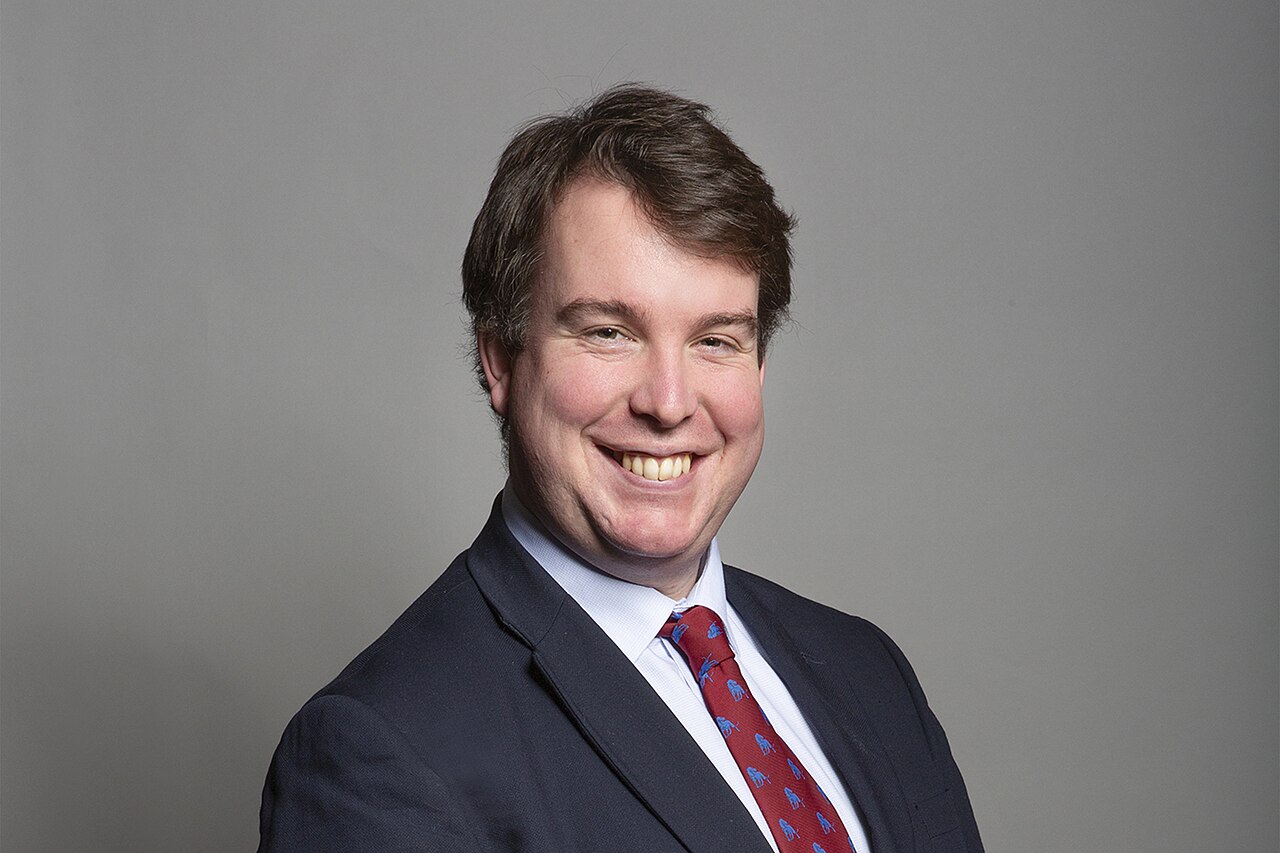
The former Rishi Sunak aide—the most high-profile figure suspected of using insider knowledge to bet on the date of the 2024 general election—now has a criminal conviction.

Reports say a session on the Lebanon conflict has been added to the agenda of the talks focusing on the implementation of the MoU signed between Washington and Tehran.
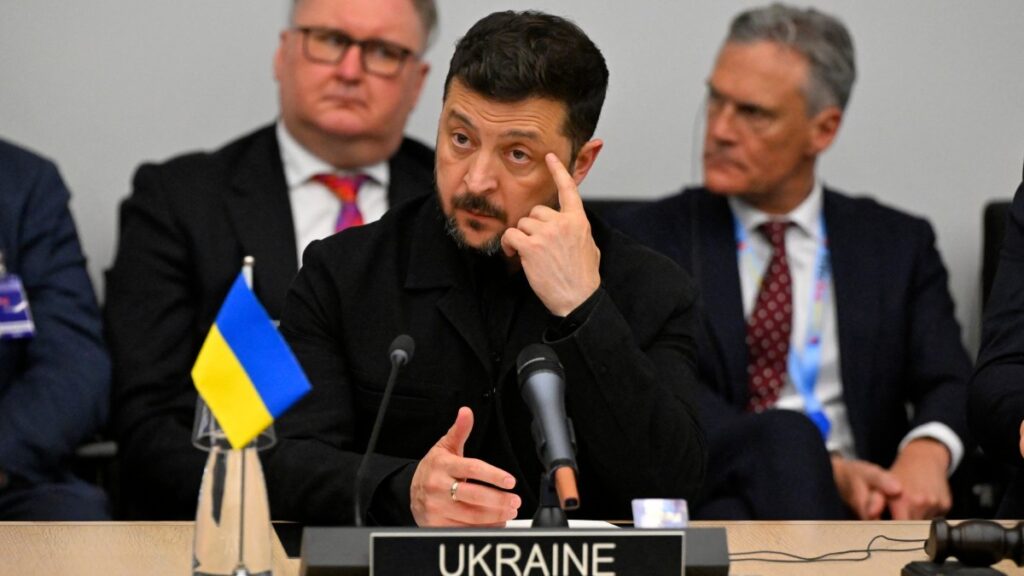
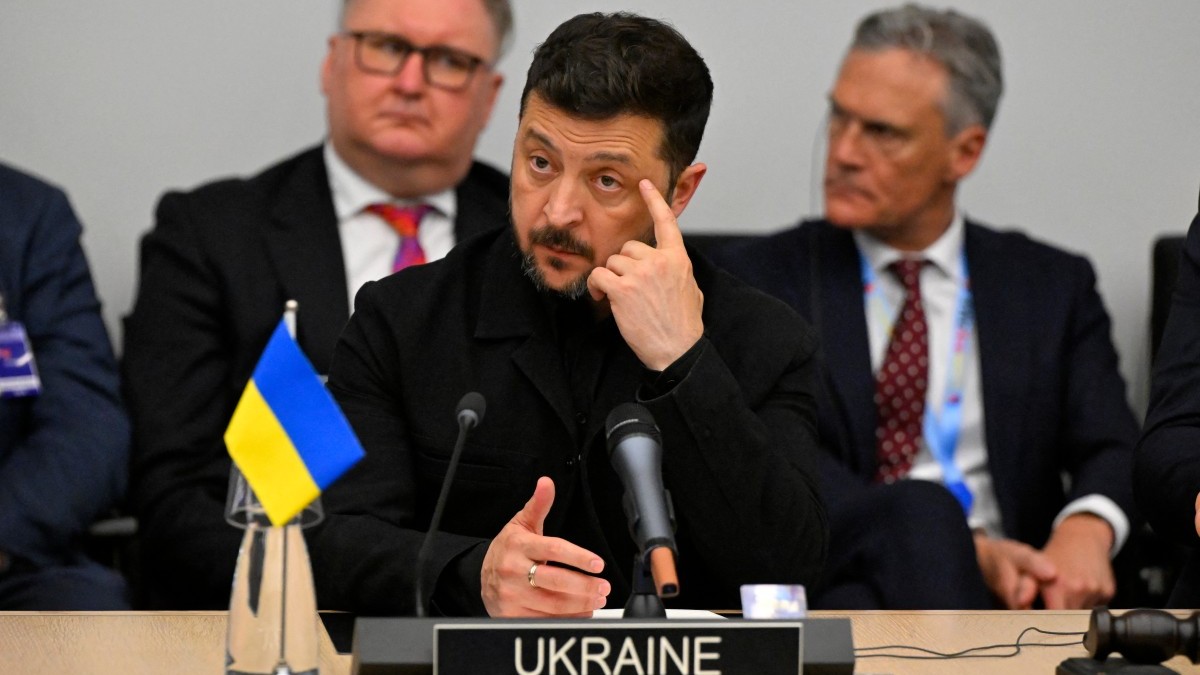
Zelensky’s tactic of seeking targets deep inside Russia is leading to short-term advantages away from the front line.
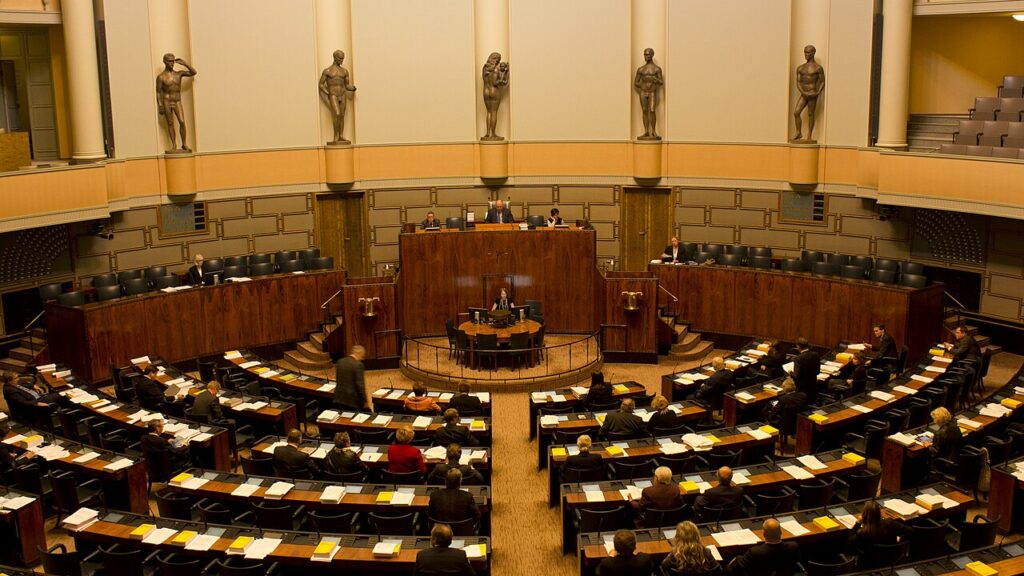
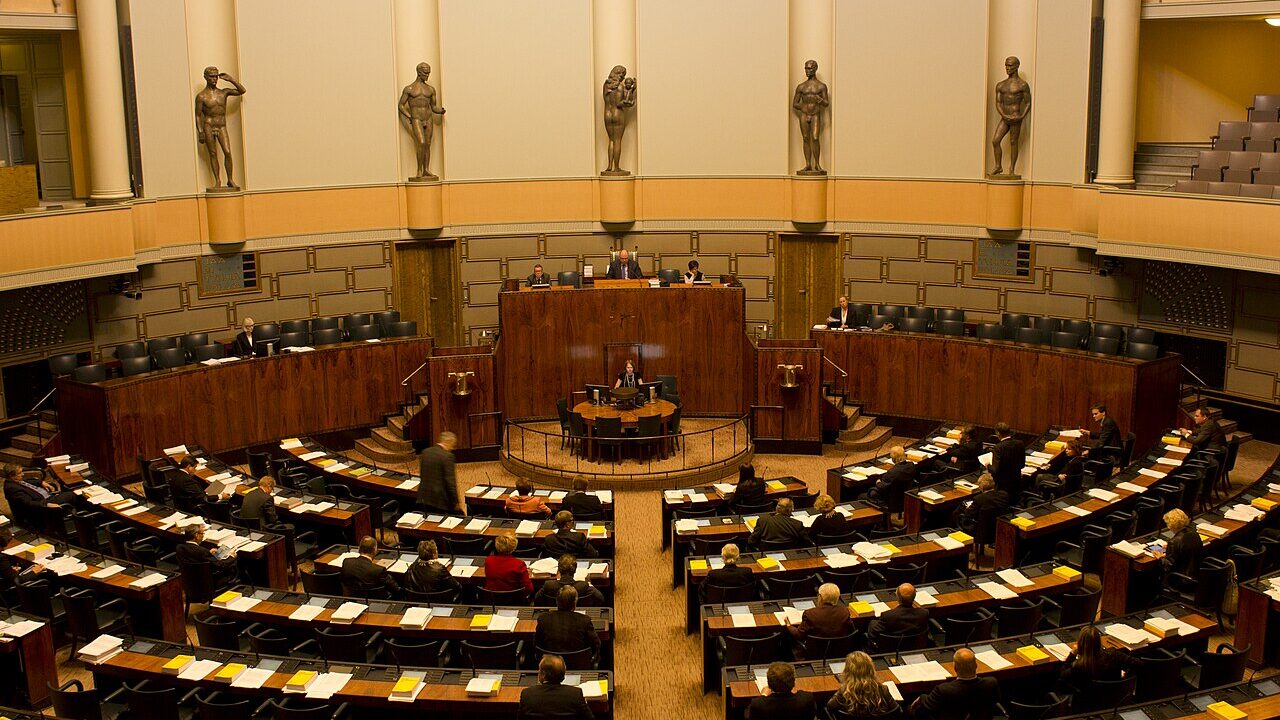
The stationing of nuclear arms in the Nordic country is a possibility after the opposing Social Democrats were outvoted.
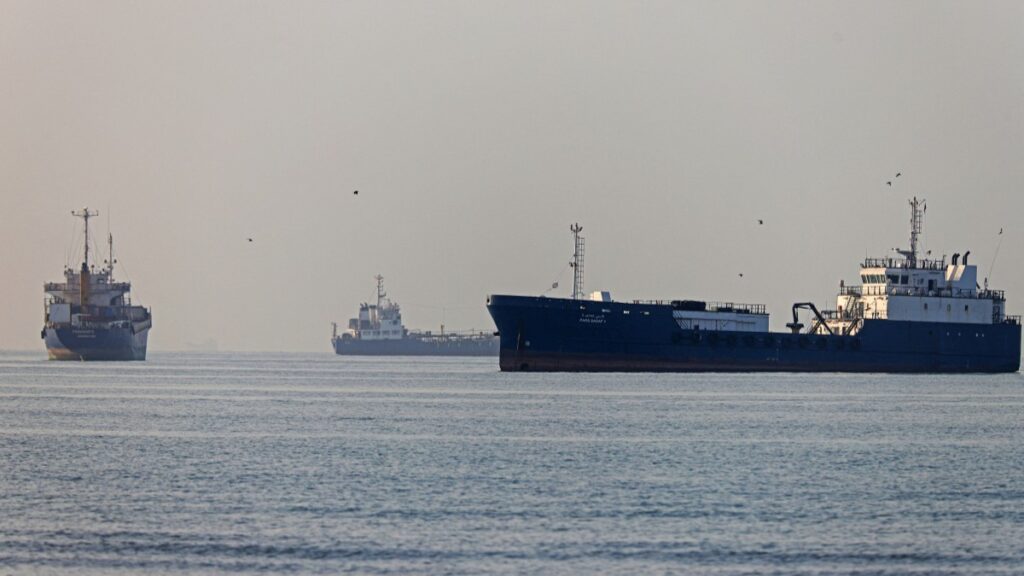
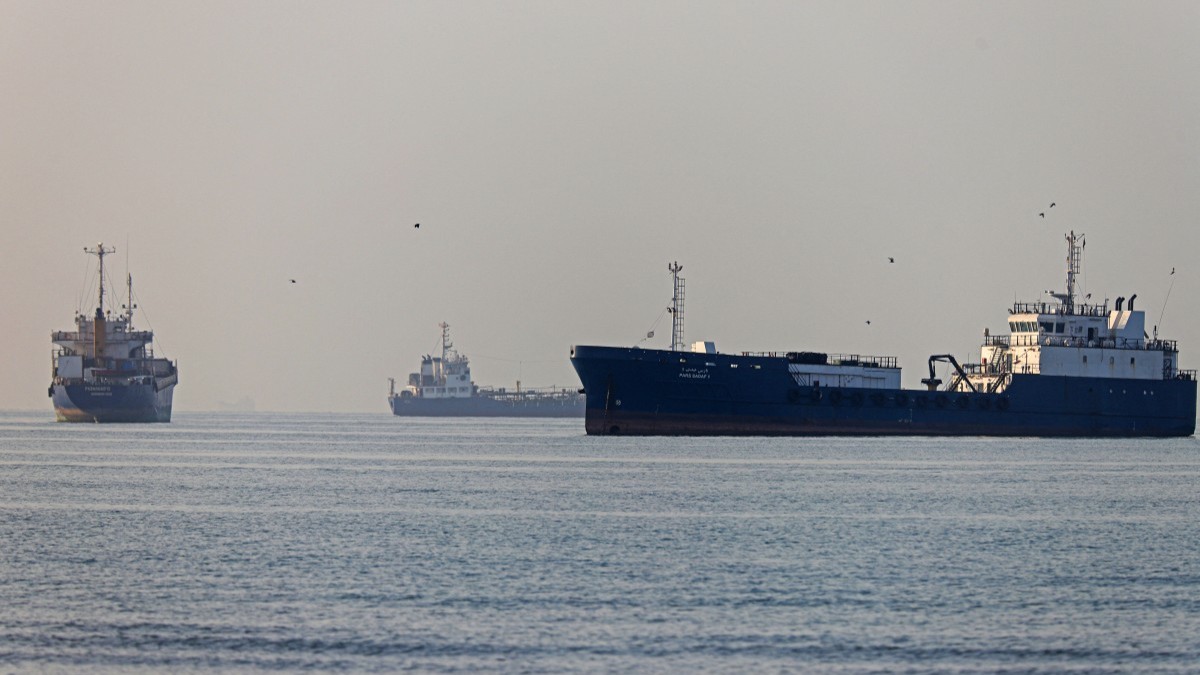
Oil prices tumble as Gulf shipping resumes after months of conflict.

‘Medical waste’ discovery prompts investigation, showing at least 34 human foetuses were disposed of at a property previously belonging to the suspect.

Freetown has confirmed that the country will temporarily host migrants expelled from the United States, giving them 90 days to return to their home nations.
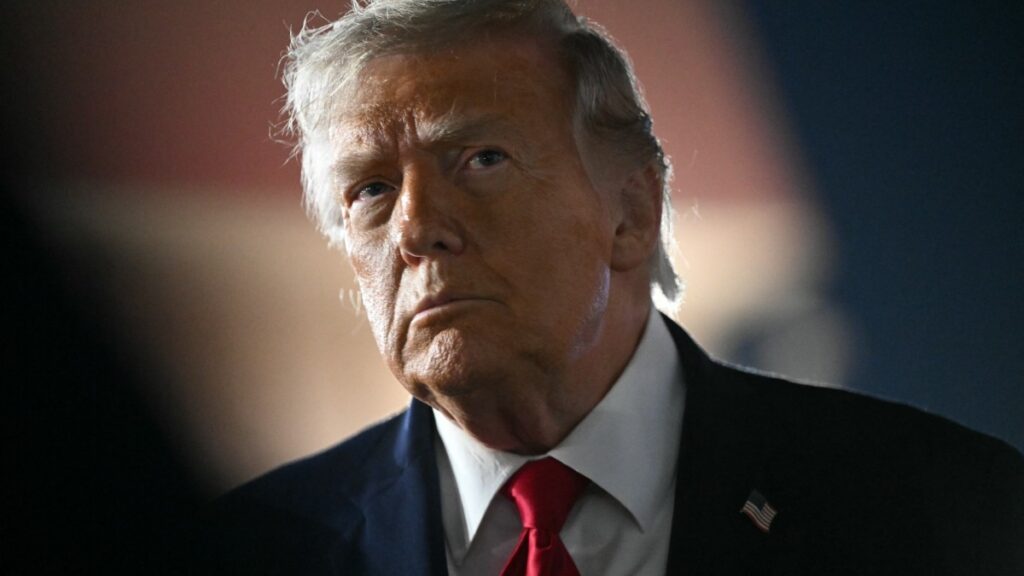
Trump ordered air strikes after a U.S. army helicopter was brought down, leading Tehran to retaliate.
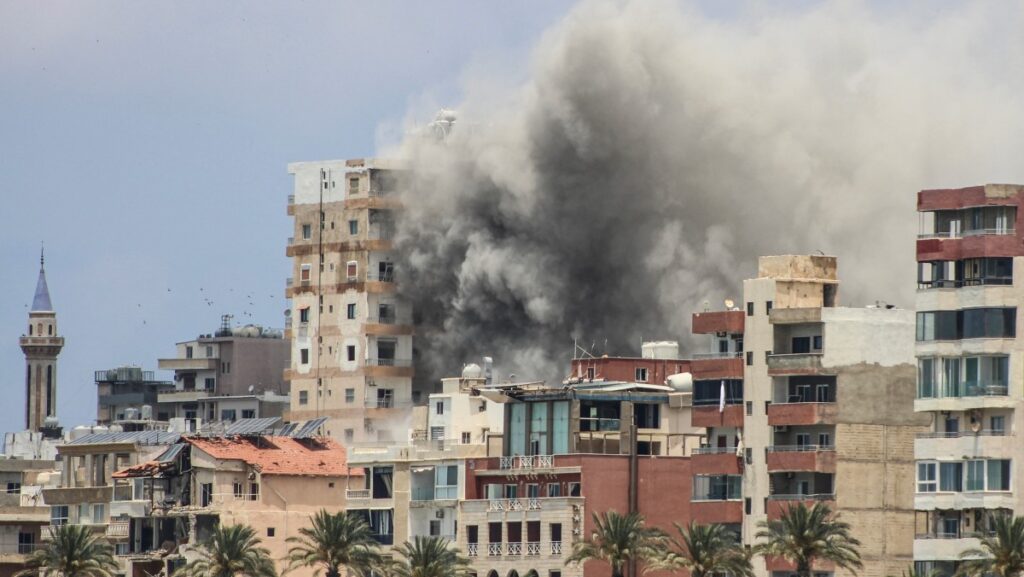
Claims of diplomatic success occur against the backdrop of Israel and Hezbollah exchanging fire—and renewed direct conflict between the Islamic Republic and the Jewish State.