

Death for All at Full Speed
Carried away in a murderous frenzy, French MPs are removing, one after another, any and all safeguards surrounding the medical act of killing.

Carried away in a murderous frenzy, French MPs are removing, one after another, any and all safeguards surrounding the medical act of killing.
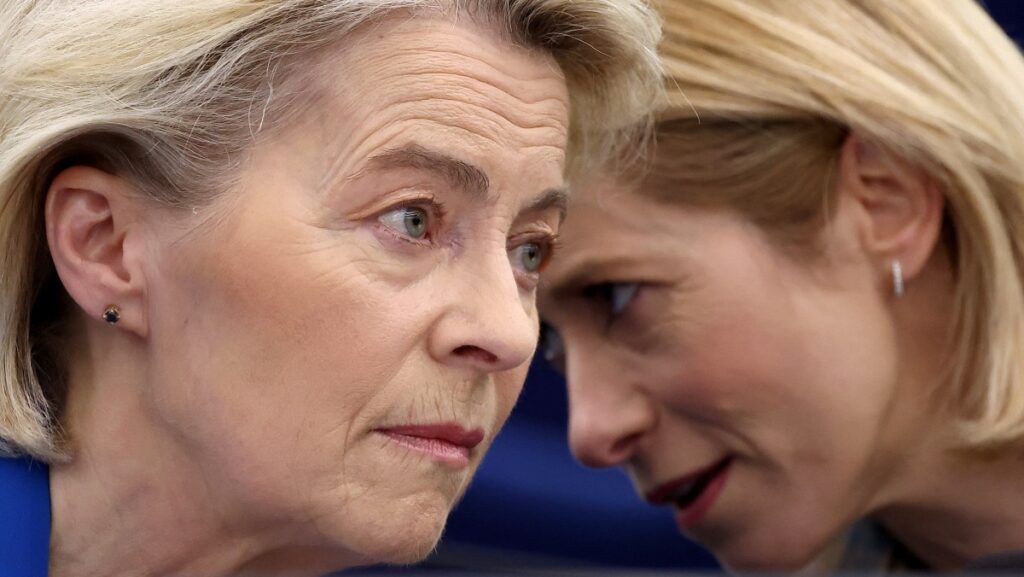
Four years into the war, we are facing a reality where the EU is attacking its own members, Slovakia and Hungary, while still caressing a non-EU member, Ukraine.
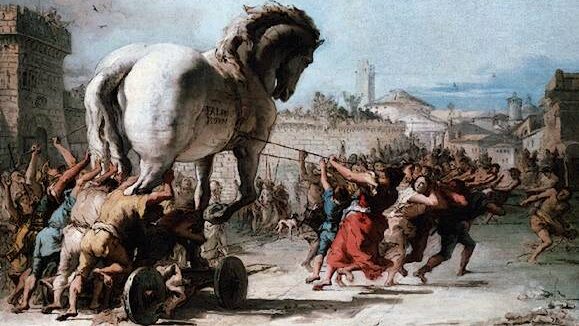
While the Hungarian people seek stability and the preservation of their way of life, Magyar’s sponsors in Brussels are salivating at the prospect of a compliant, hollowed-out Hungary.
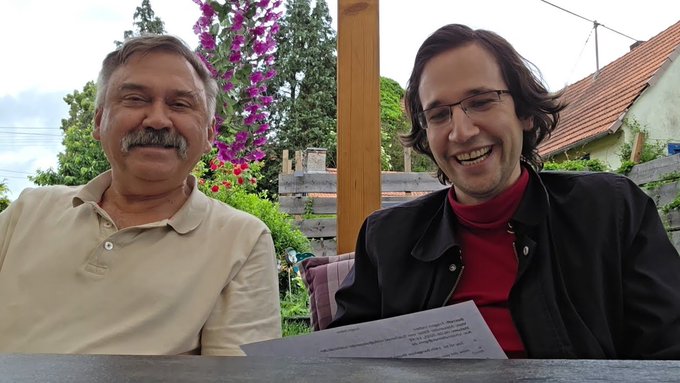
The German justice system used a law designed to prosecute Nazis in order to prosecute and convict someone who was plainly and obviously anti-Nazism.
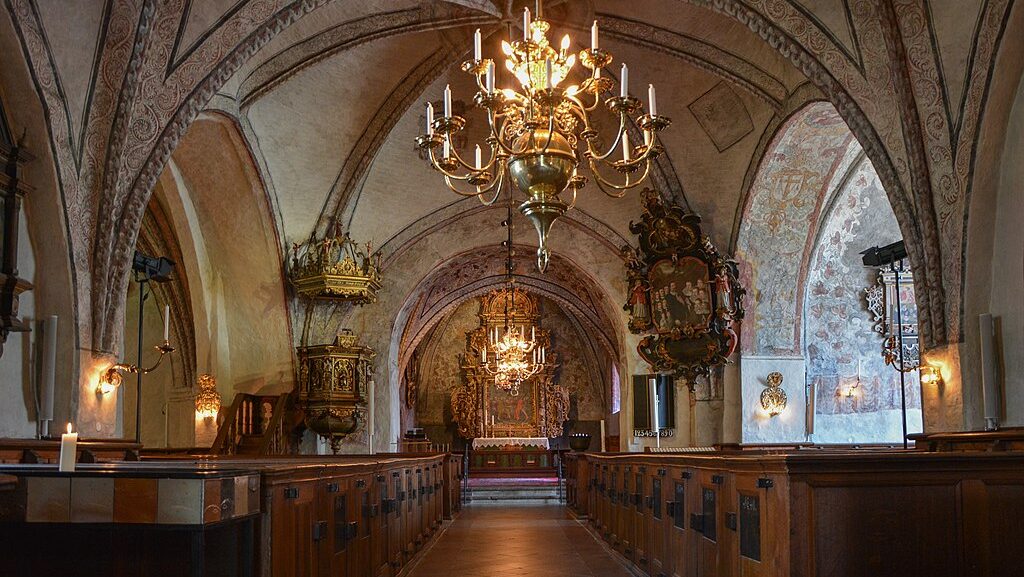
To acknowledge Lent is to acknowledge the Christian foundation of Europe. It forces a confrontation with the history our modern institutions have spent decades trying to erase.
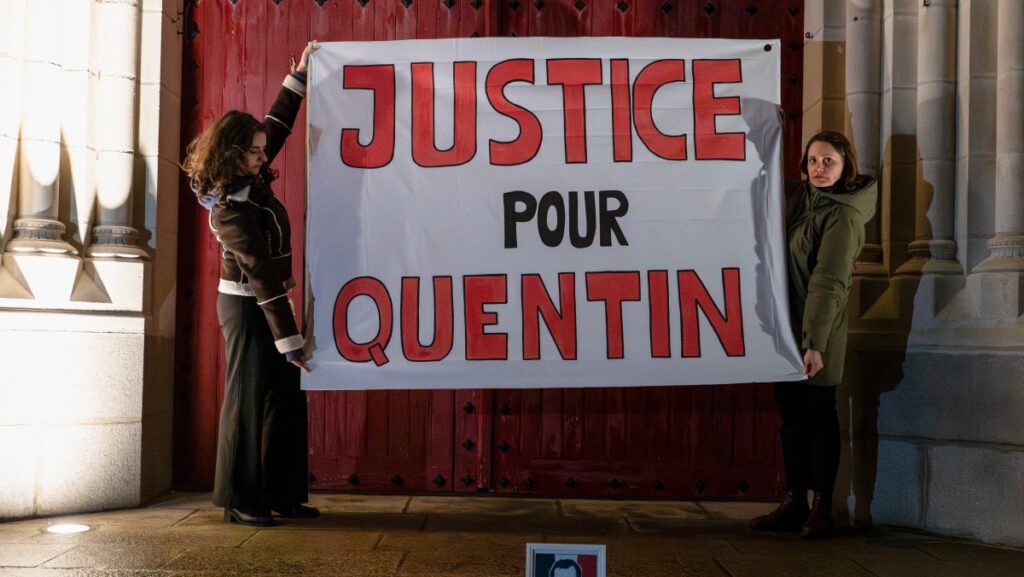
Much of France’s political and media establishment has minimised the killing and resisted scrutiny of the far-left figures connected to the case.

Iceland should embrace U.S. primacy over EU pipe dreams.

The Left is desperately searching for explanations (even ‘scientific’ ones) for its decline.
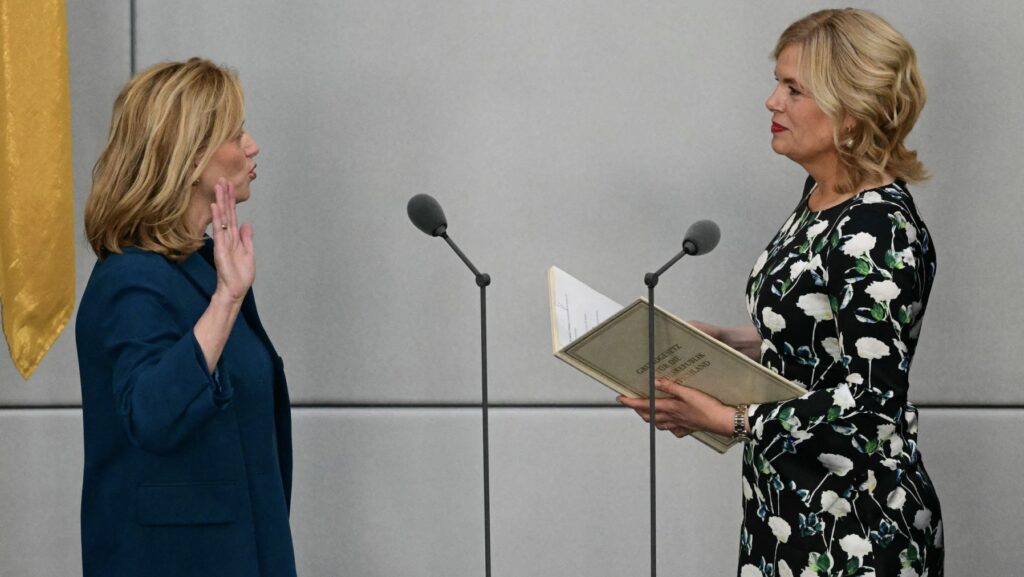
The hollow claim that a quota would enhance democratic representation is glaring in light of the systematic exclusion of the right-populist AfD.
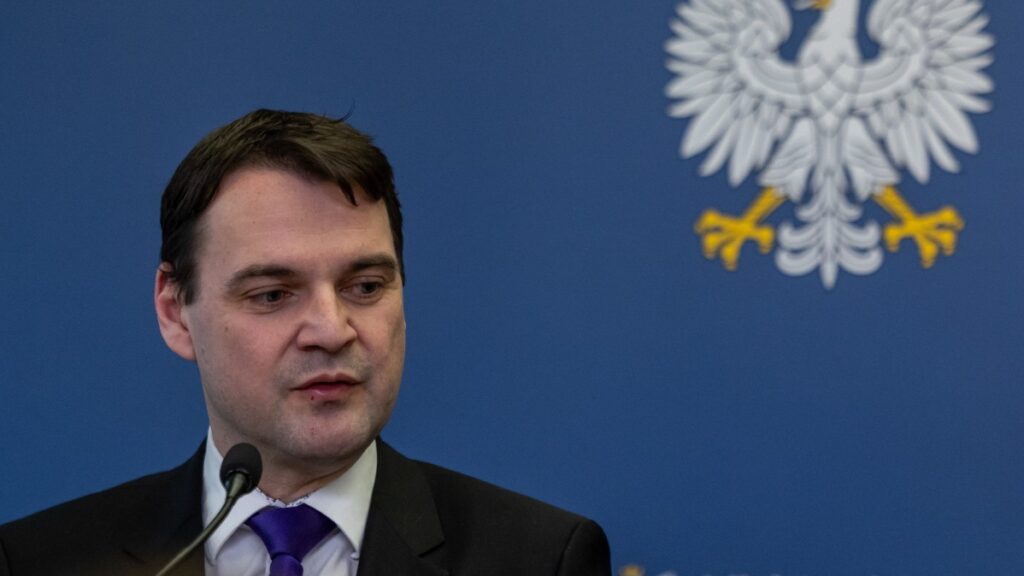
The truth that angered Clinton in Munich last week is that the revolution she champions is destroying the West at home and weakening the West abroad.
Iceland should embrace U.S. primacy over EU pipe dreams.
The Left is desperately searching for explanations (even ‘scientific’ ones) for its decline.
The hollow claim that a quota would enhance democratic representation is glaring in light of the systematic exclusion of the right-populist AfD.
The truth that angered Clinton in Munich last week is that the revolution she champions is destroying the West at home and weakening the West abroad.
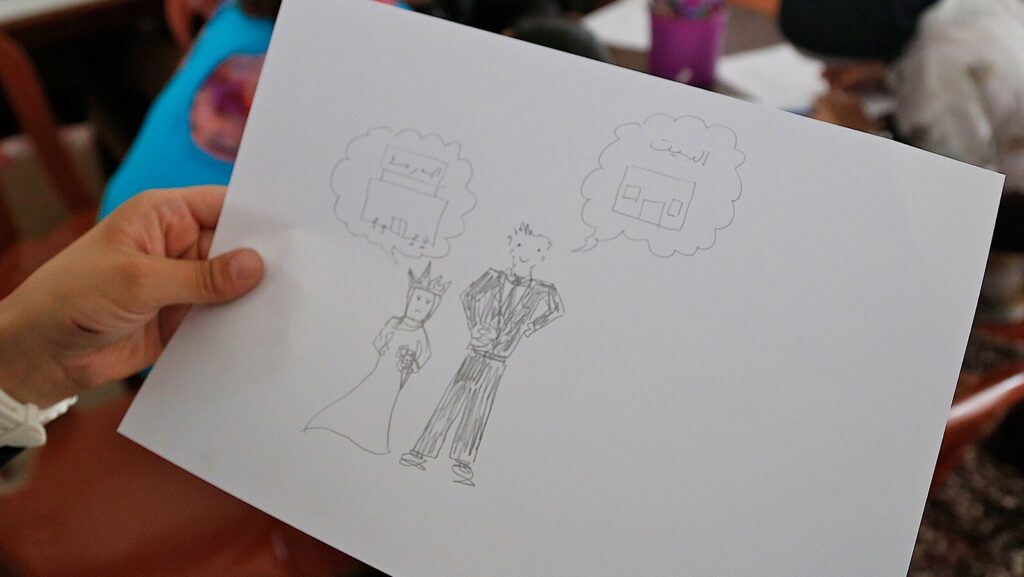
Forced conversions and marriages are ignored by law enforcement and the judicial system.

As long as there’s a settled, traditional people with deep roots and connectedness to the landscape, it will be observed that there always were indigenous peoples of these isles, and such an observation is unacceptable to the progressive project of our political class.
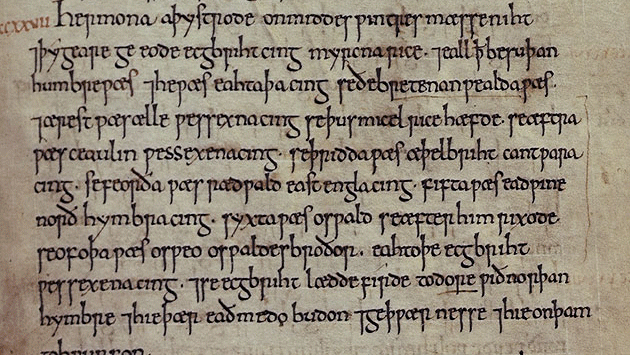
There is a peculiar rule in modern Anglophone public life: Every people can have a past, except the one that built the country.
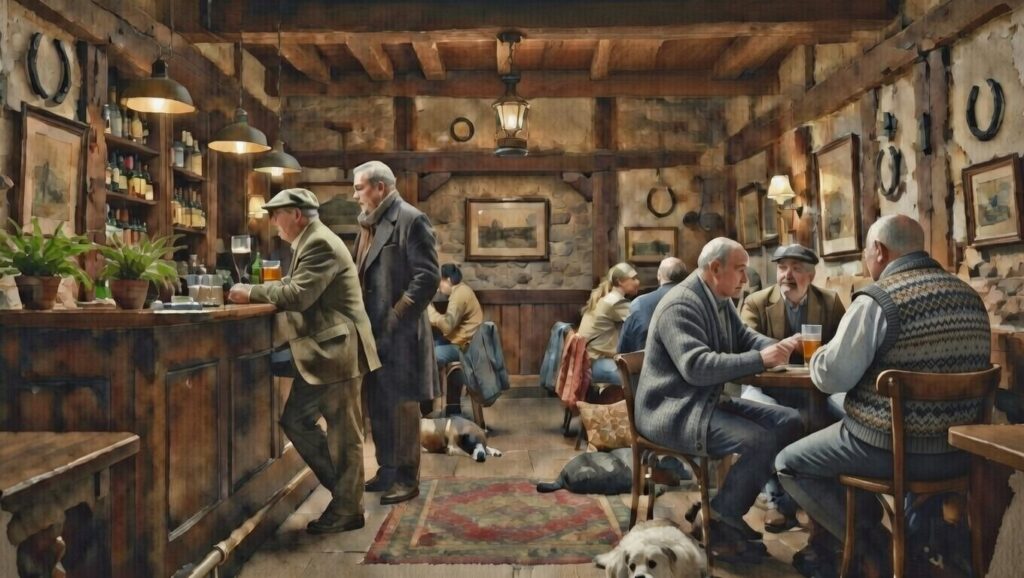
Culturally, self-flagellation has become a civic virtue; institutions once central to national life now frame their own founding stock as the problem to be solved.

This is the first generation in Western democracies to grow up in the greatest material well-being and comfort humanity has ever known, yet never face war or real existential fear.

After years of campaigns about global warming, during which experts informed us that snow and ice would become “a thing of the past,” winter seems to have come as a shock to many in our establishment.
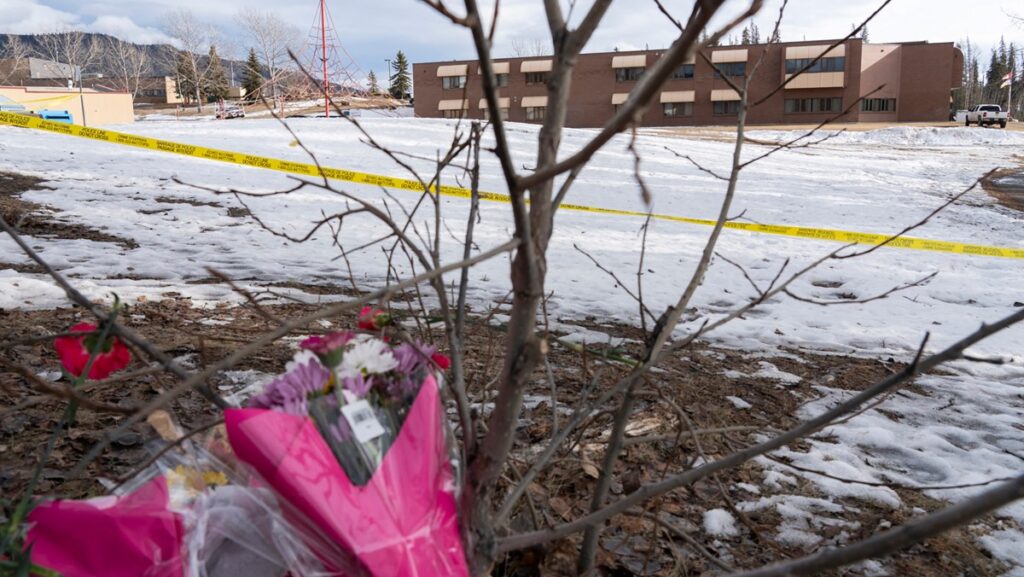
Were eight people murdered by a mentally ill teenage boy suffering from fundamental delusions? Or was the killer a young woman? Just a few years ago, the question would have struck Canadians as absurd.
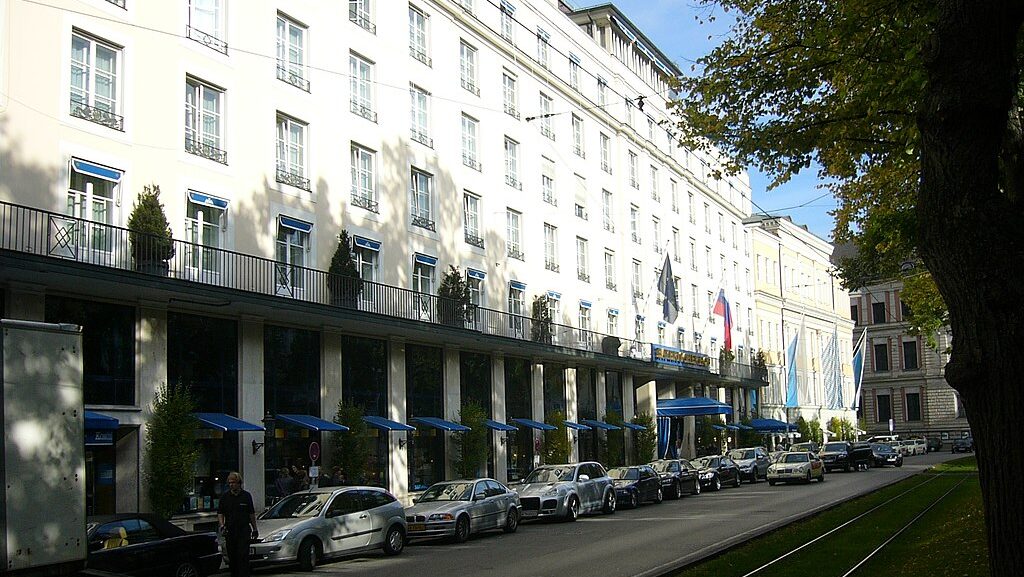
In security policy, ‘commitment issues’ are measured in capabilities, not flowers, and Europe must choose between relying on U.S. reassurance and building the capacity to stand on its own.