
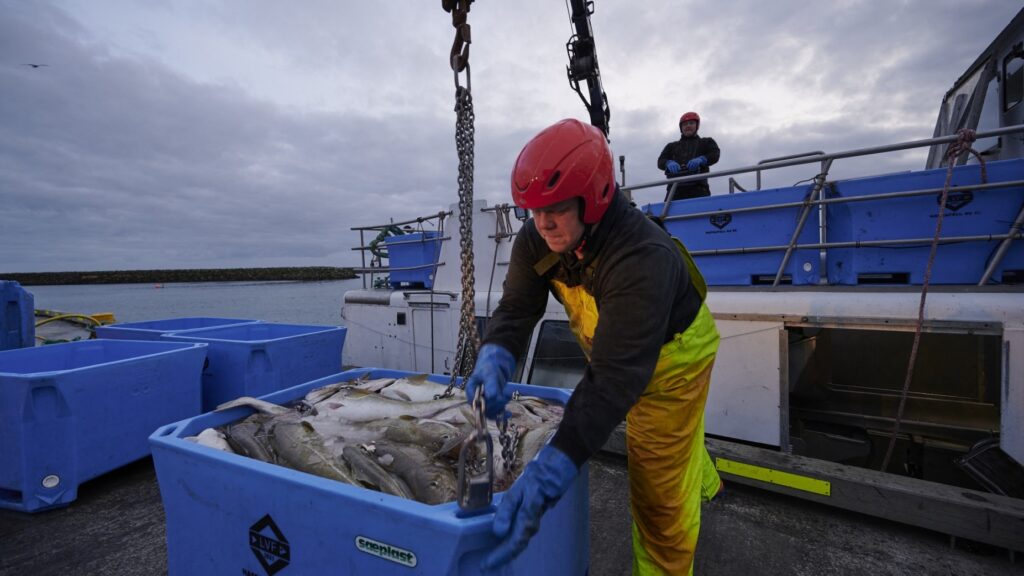
The Feminization of the Icelandic State
How sex equality became imbalance in “the world’s most equal country.”

How sex equality became imbalance in “the world’s most equal country.”
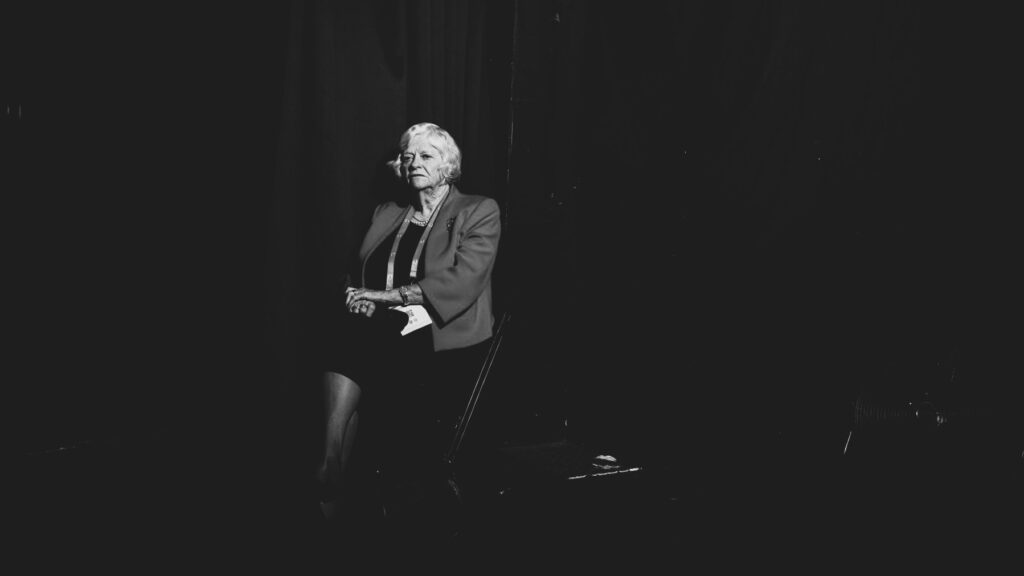
Miss Widdecombe was a politician very much in the spirit of St. Thomas More, always letting her faith drive her commitment to public service, staying true to her principles to the bitter end.
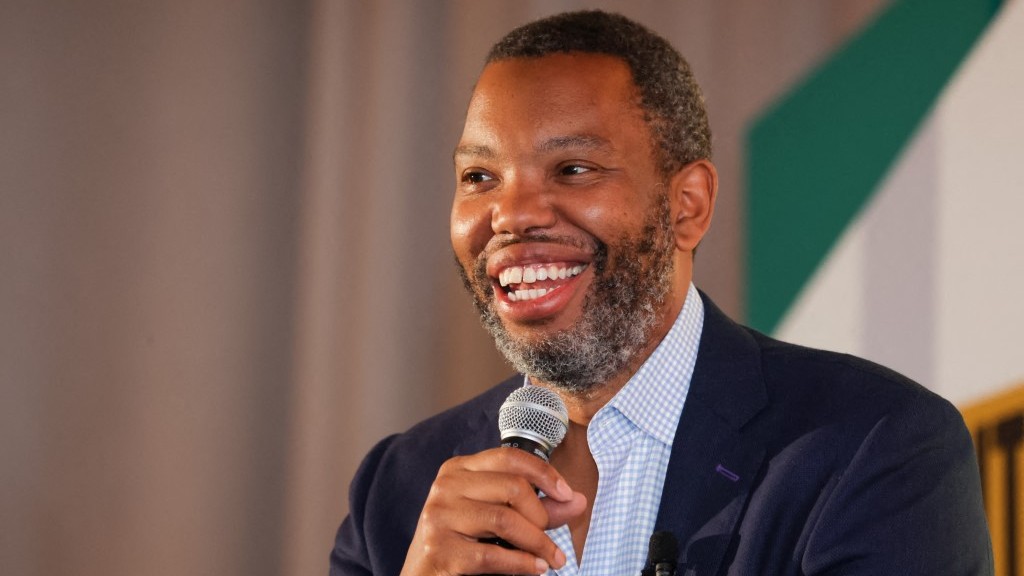
In 2015, Coates became the moral beacon of Western liberals by hurling regurgitated antisemitic vitriol at all white Americans, specifically including Jews. Now the bill is coming due.
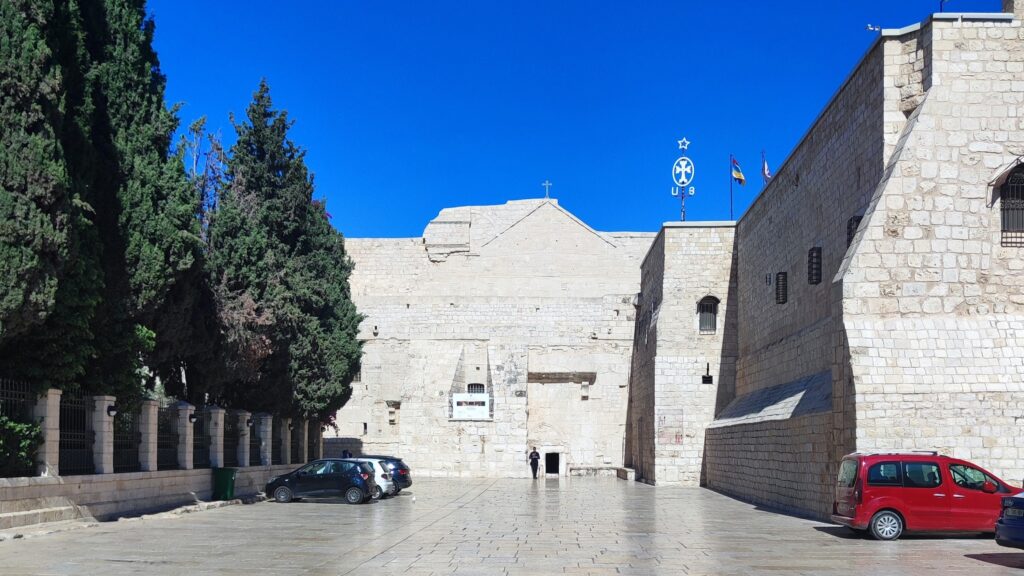
The birthplace of Christianity is in danger of losing its indigenous Christian communities. A recent visit to Jerusalem and the West Bank revealed both the severity of their plight and the practical ways in which they can still be helped.

The phone—and technology in general—must be restored to its place in the natural hierarchy: subordinate to higher ends and aspirations, rather than becoming the anchor around which modern life is ordered.
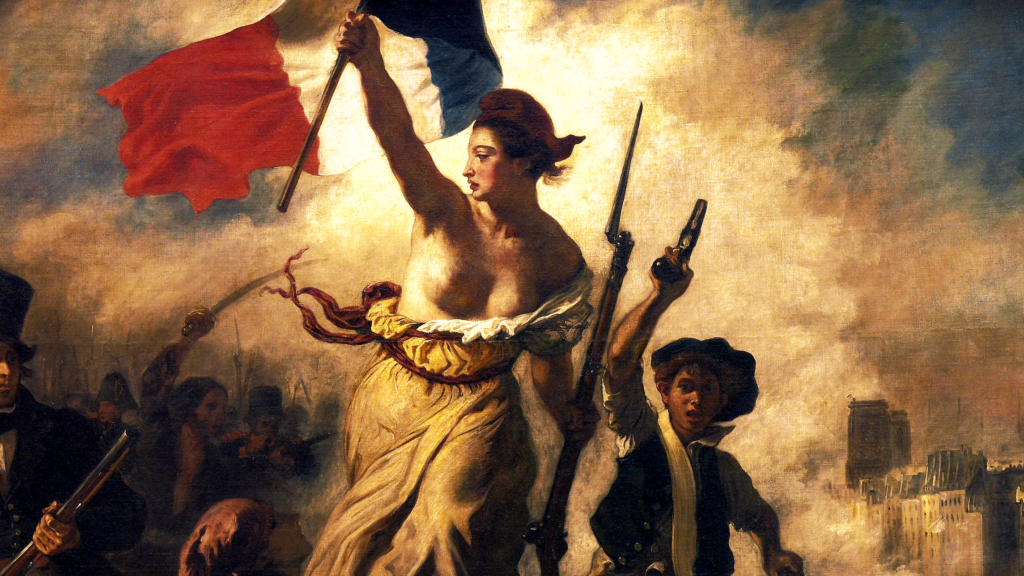
Hamza is more than a viral delinquent—he embodies a France where shame has vanished and outrage has become fame.
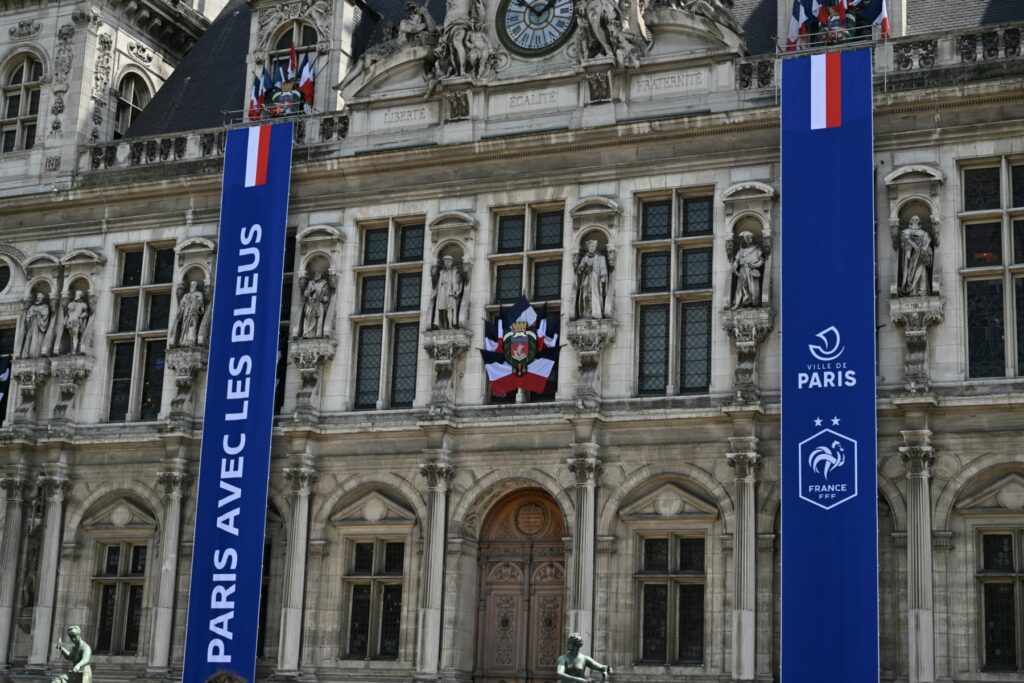
The French team’s defeat is the defeat of a country that no longer knows how to trust its own children.
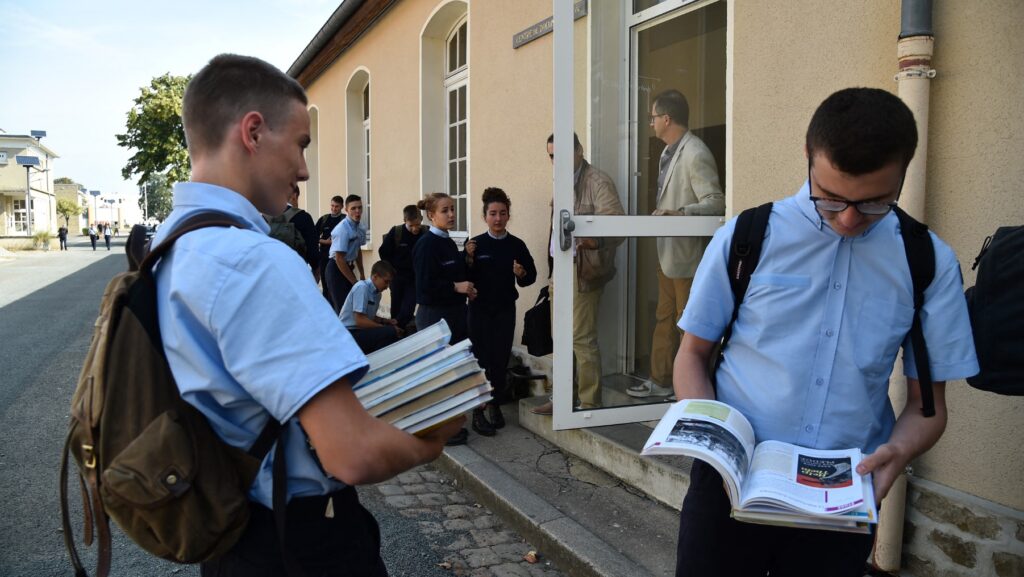
French military schools face a backlash after excluding Catholic pupils, exposing ideological bias and raising concerns over future army recruitment.
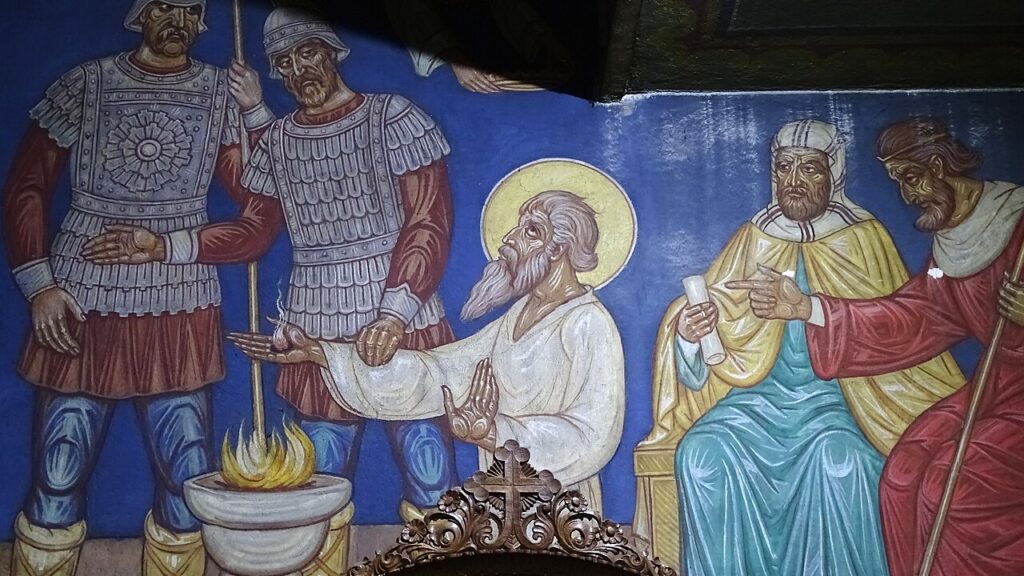
The Church should not become the government’s alibi. Its role is to preserve the distinction Moscow has violated and Brussels risks misunderstanding: the Church is not the state, and the faith is not the man who exploits it.

A Traditionalist vision argues that only works which have proven their archetypal power deserve physical form—while harnessing modern technology for what is merely useful.
The phone—and technology in general—must be restored to its place in the natural hierarchy: subordinate to higher ends and aspirations, rather than becoming the anchor around which modern life is ordered.
Hamza is more than a viral delinquent—he embodies a France where shame has vanished and outrage has become fame.
The French team’s defeat is the defeat of a country that no longer knows how to trust its own children.
French military schools face a backlash after excluding Catholic pupils, exposing ideological bias and raising concerns over future army recruitment.
The Church should not become the government’s alibi. Its role is to preserve the distinction Moscow has violated and Brussels risks misunderstanding: the Church is not the state, and the faith is not the man who exploits it.
A Traditionalist vision argues that only works which have proven their archetypal power deserve physical form—while harnessing modern technology for what is merely useful.
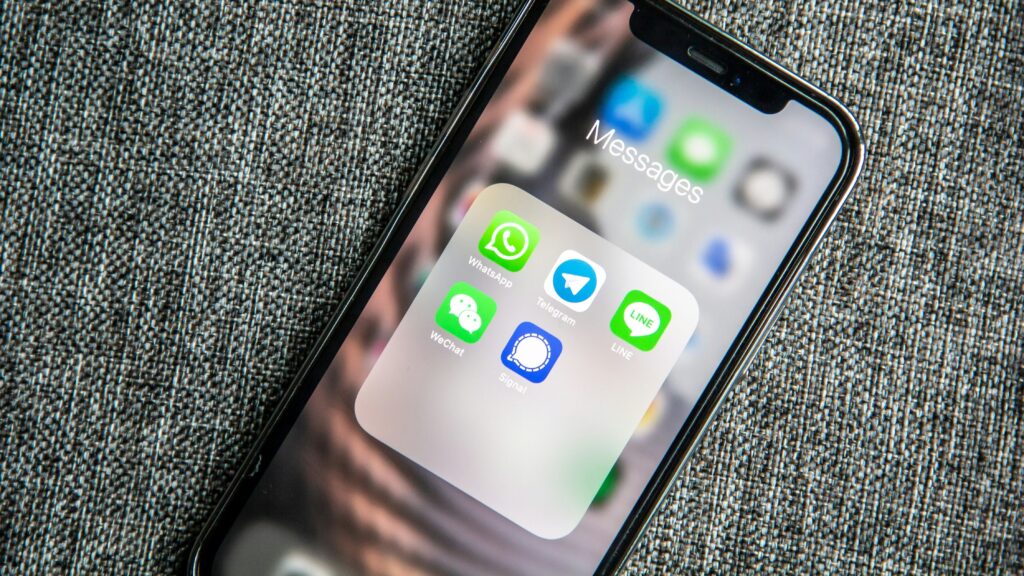
The EP has already rejected the mass surveillance regime once, so the EPP has now forced a second vote, knowing there won’t be enough MEPs on the last day before summer recess to stop it.
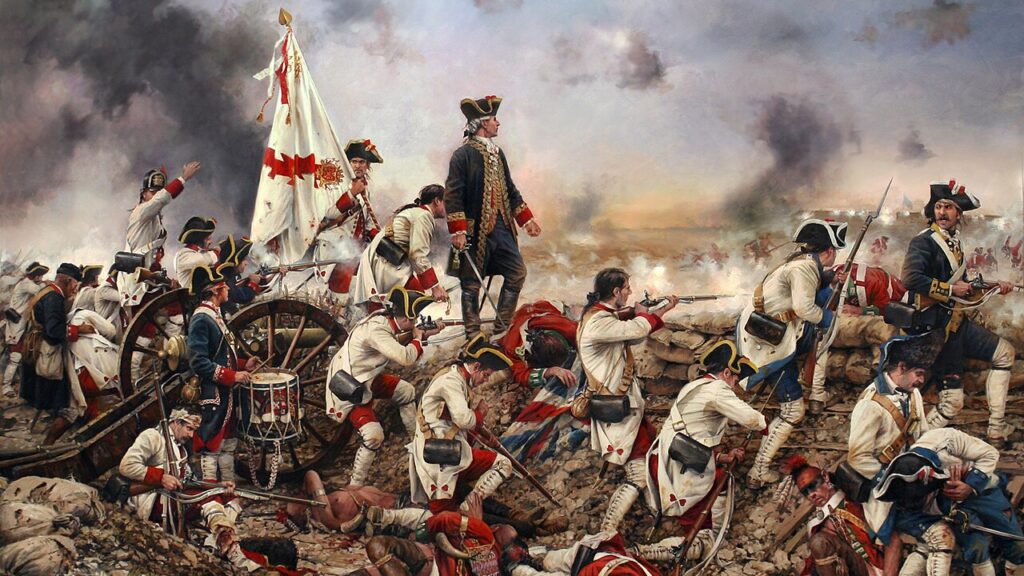
From St. Augustine to the California missions and the American Revolution, Spain played a formative role in shaping the history, culture, and institutions of the future United States.

Washington’s America250 festivities unfolded under crushing heat, tight security, and unmistakable Trump branding before ending with a moving celebration of the veterans and ideals that have shaped the United States.
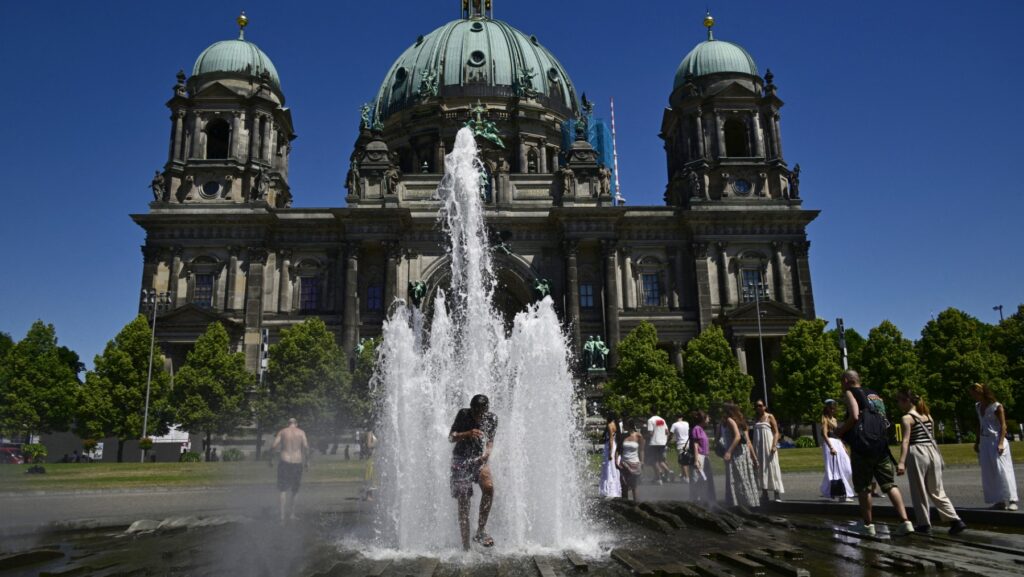
The heat wave exposed more than rising temperatures—it revealed decades of neglected infrastructure, political drift, and a government that struggles to perform its most basic functions.
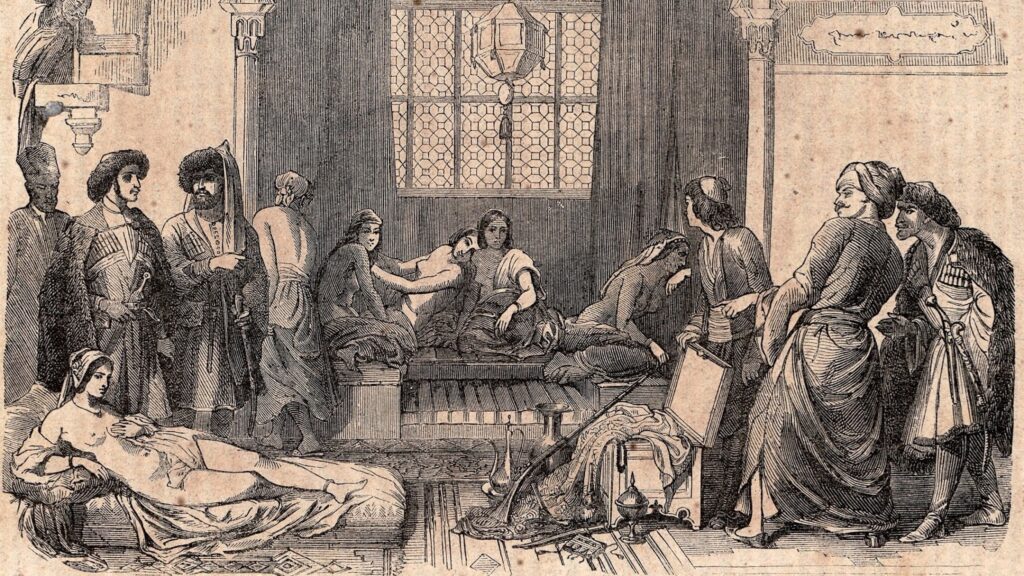
The pirates don’t raid European towns now; they live there.

The Eurobarometer poll invites no serious criticism of past policy choices and gives little space to the genuine concerns clearly demonstrated, time and again, by the public.