

An Interview with Jovan Palalić on the Cross-Continental Conservative Congress
“We want a society of free and authentic people, just, safe, and orderly.”

“We want a society of free and authentic people, just, safe, and orderly.”

“The internet isolates us. It allows us a godlike freedom to curate our sense of reality. Community flourishes when people have to rely not just on themselves but on each other to make sense of life.”
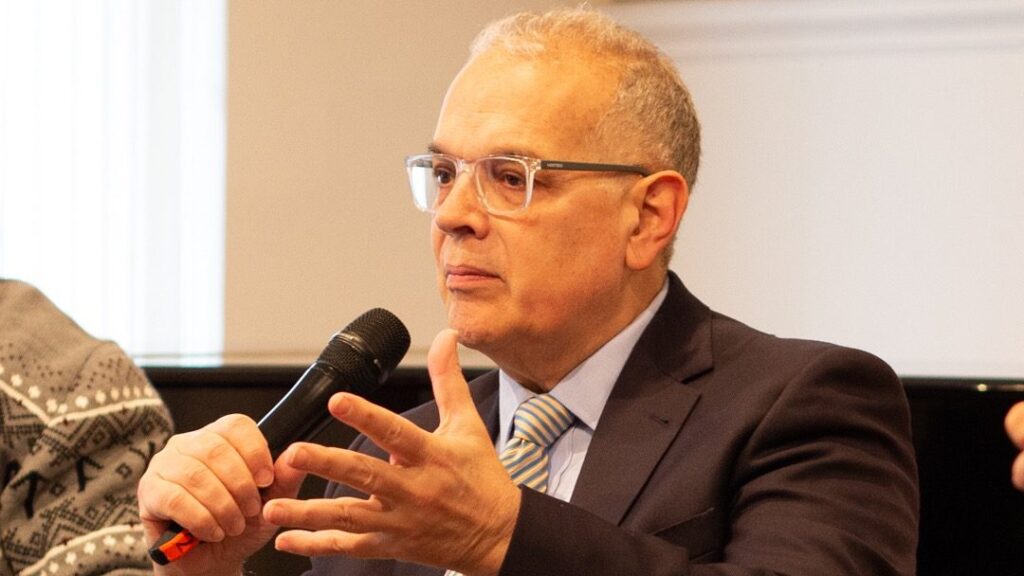
Migrants are exploited by mafias politically allied with the Left, and then used to create a conflict situation in the destination countries.
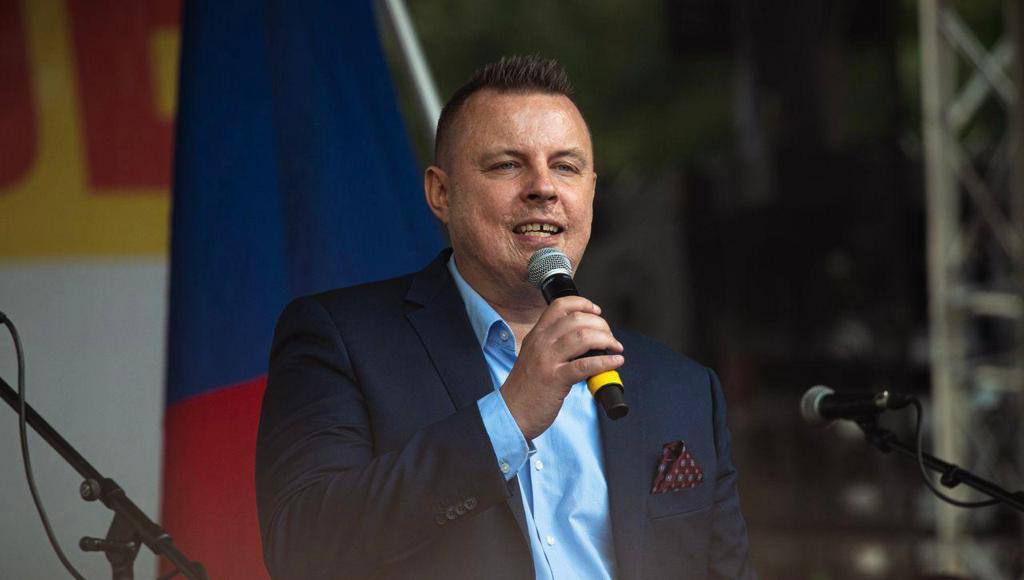
“Many of us want a government that stands first and foremost, and above all else, for Czech interests.”

In this episode of “Occasional Dialogues,” Kurt Hofer interviews Glenn Ellmers. They discuss Ellmers’ new book, populism, political philosophy, and the need for a muscular Christianity instead of “liberalism with hymnals.”

There are those who are proud of their country and want it to prosper, and the globalists who do not want borders.
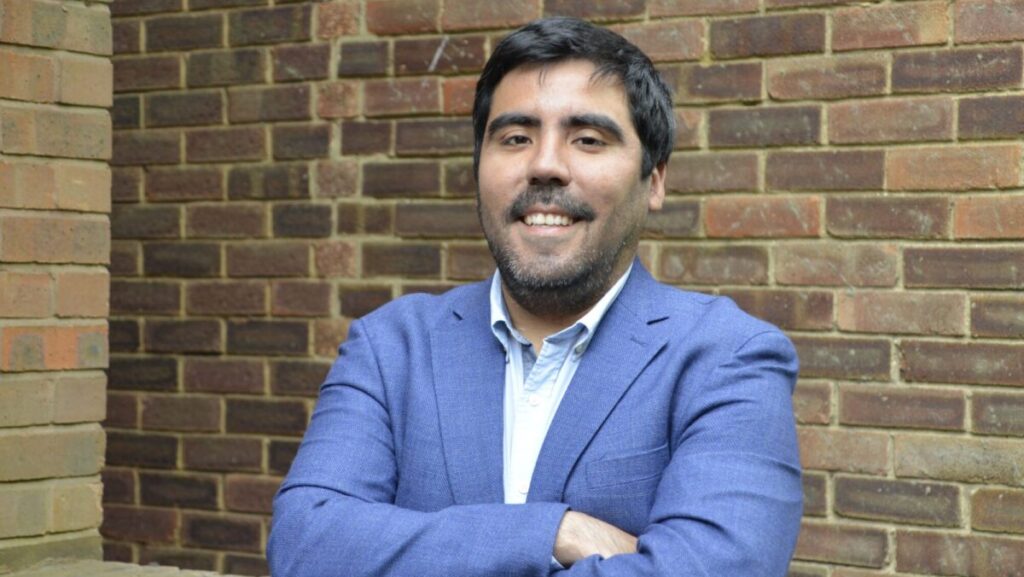
FROM THE FALL 2023 PRINT EDITION: Although it is not an element that appears explicitly, the idea of Hispanidad was at the centre of Jaime Guzmán’s political thought.

“This is a clash of civilizations, and those who are coming into Europe really want to combat our civilization.”

Assimilation is a utopian idea. As we have seen throughout Europe, it simply does not happen.
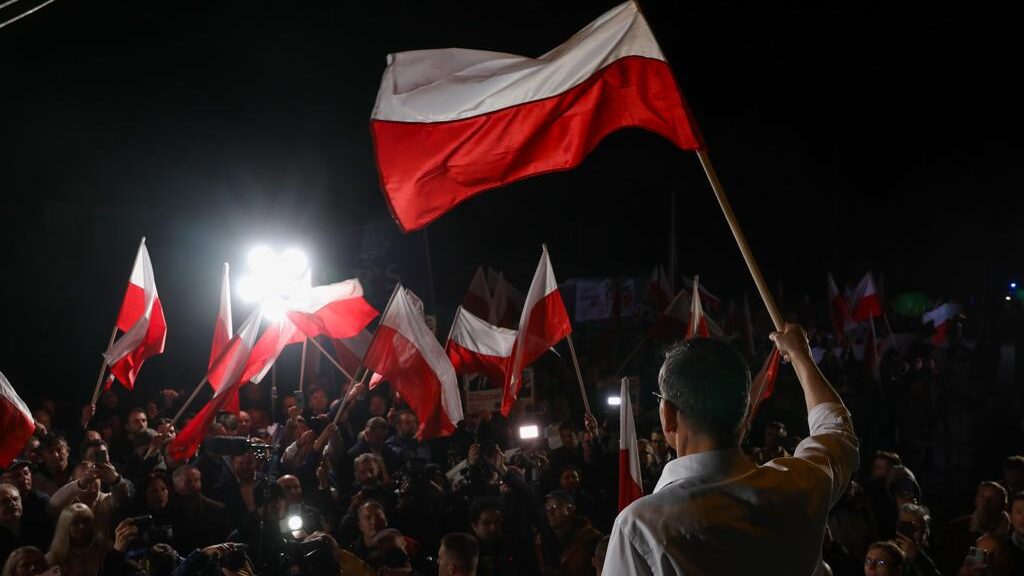
“If PiS does win, the Visegrád alliance which has been dormant since the outbreak of war in Ukraine could revive to the benefit of conservatives in Central Europe.”
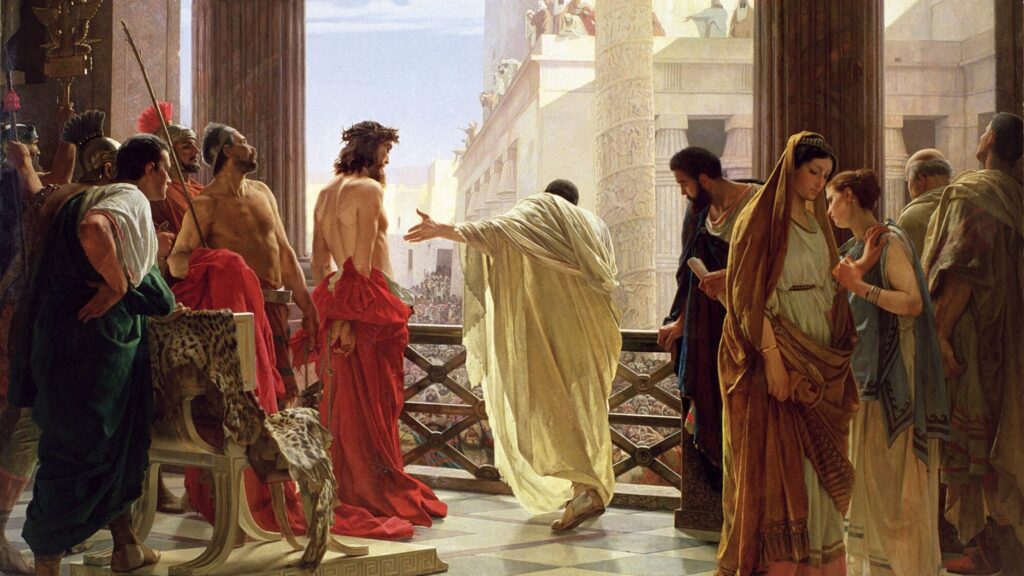
“We really can’t imagine the world without the drama of Jesus and Pilate,” the author said, exploring the ripple effects of history’s most influential trial.

The best weapon for dealing with decline is integration into a community that offers an alternative to the artificiality and isolation that are increasingly affecting younger generations.

A symptom of the French penchant to riot or part of a broader collapse of the Fifth Republic? The European Conservative speaks to a participant of recent anti-Macron pension demonstrations to examine the movement’s causes, character, and future.
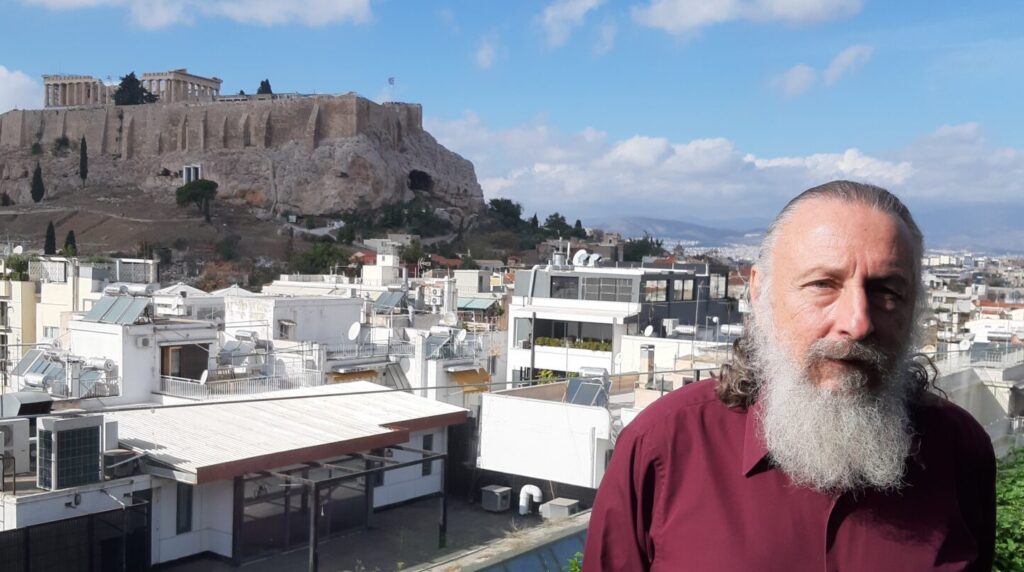
Whatever happens to Trump, he will continue to have that catalytic effect on the awakening of most Americans that the old republic simply doesn’t exist anymore, and we have to find a new path forward.
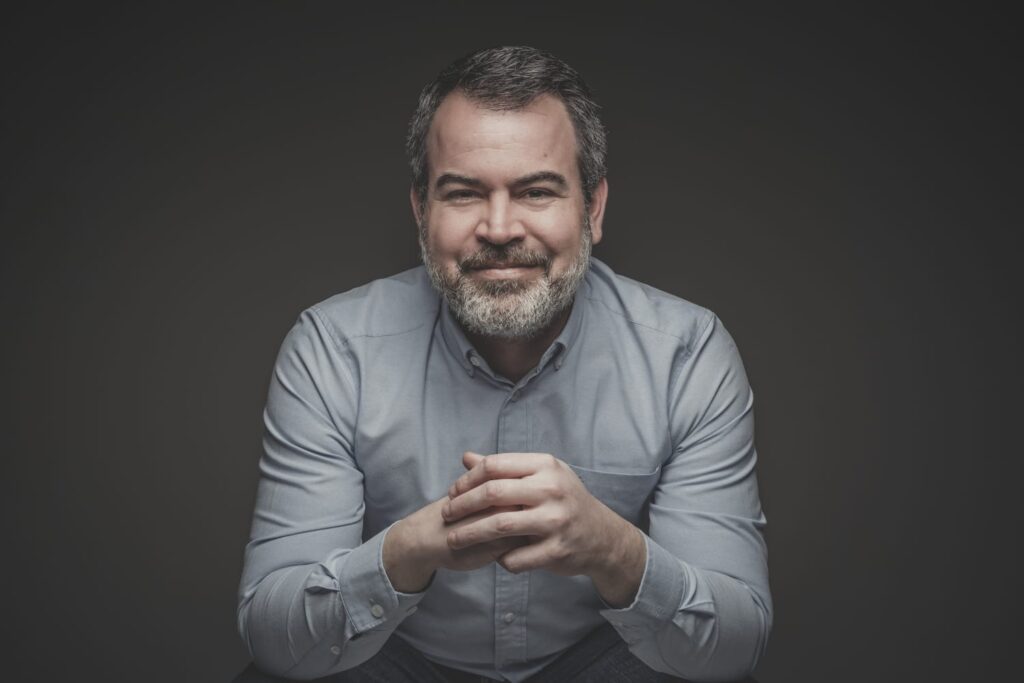
The greatest risk is that all human reproduction will be put in the hands of technology—that would be the end of the human being.
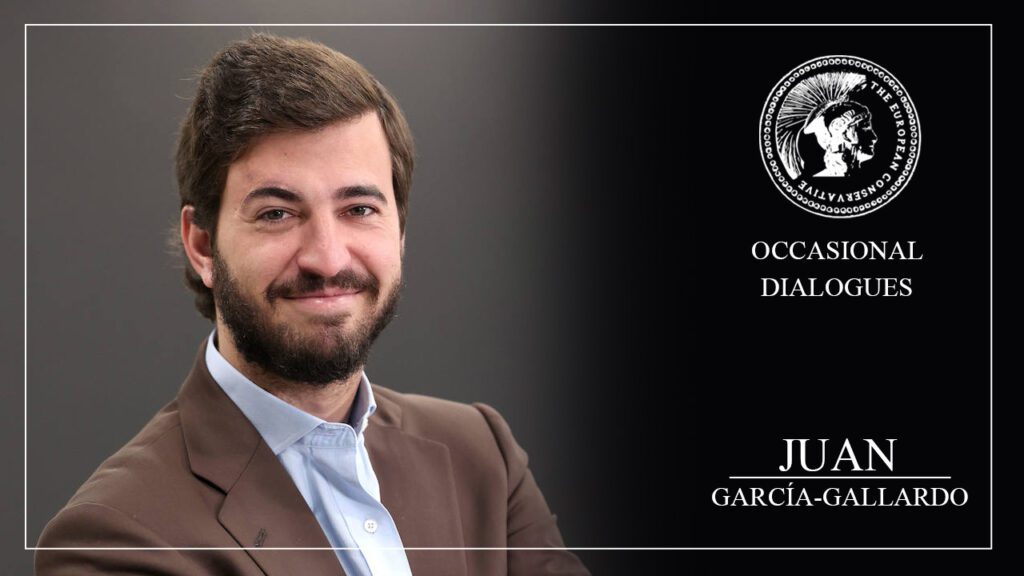
In this episode of “Occasional Dialogues,” Juan García-Gallardo, a rising star in VOX, talks about the challenges of coalition governments, revitalization of rural areas, EU policies affecting Castilla y León, and how he jumped from a successful law career into a top position in politics.
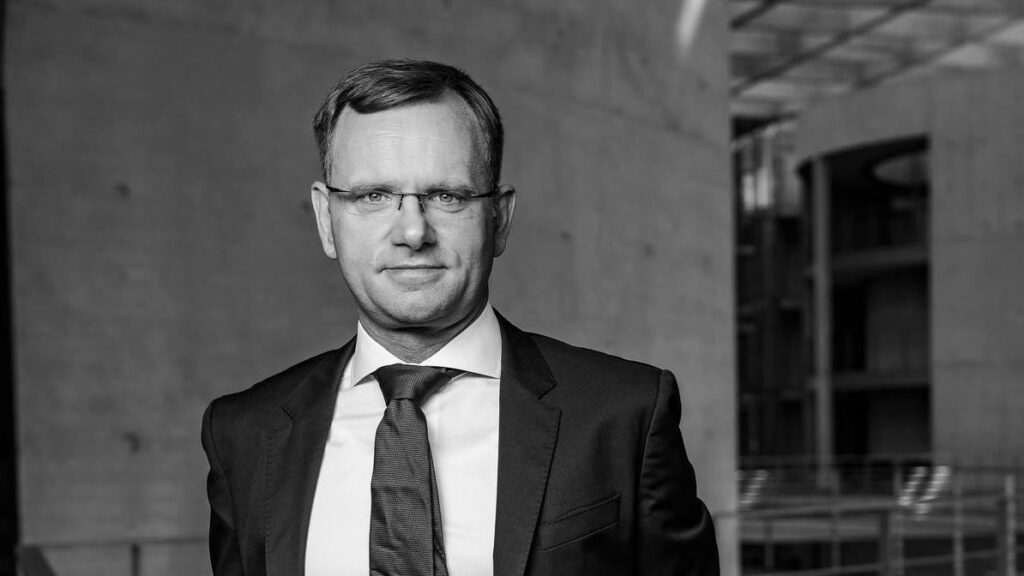
The freedom we have experienced in recent decades to decide for ourselves when, where, and how we get around will no longer be affordable for many people.
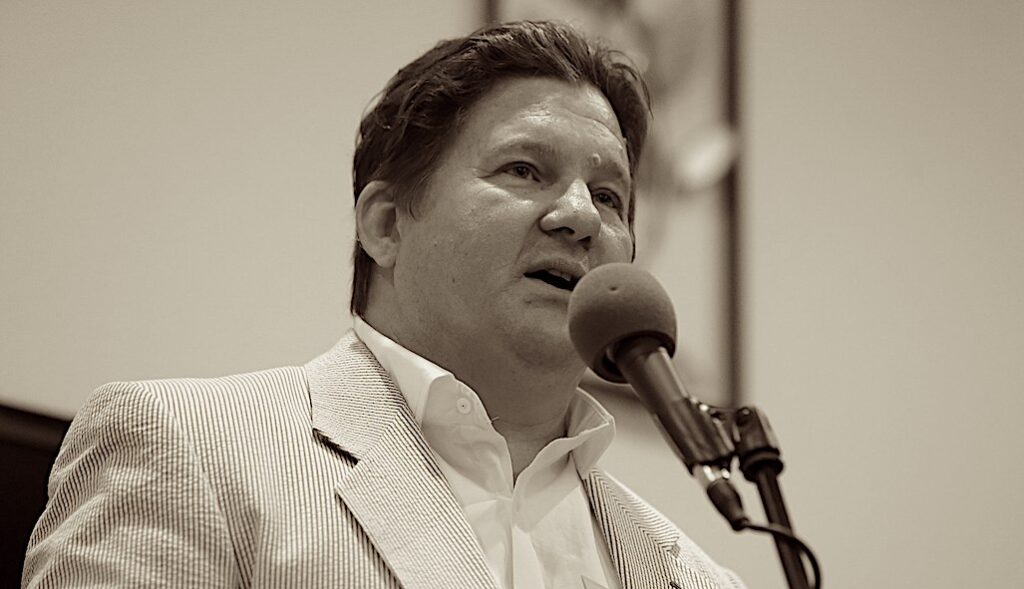
American conservatives can take heart in how [Hungary has] been able to articulate a foreign and domestic policy that resonates with the people.
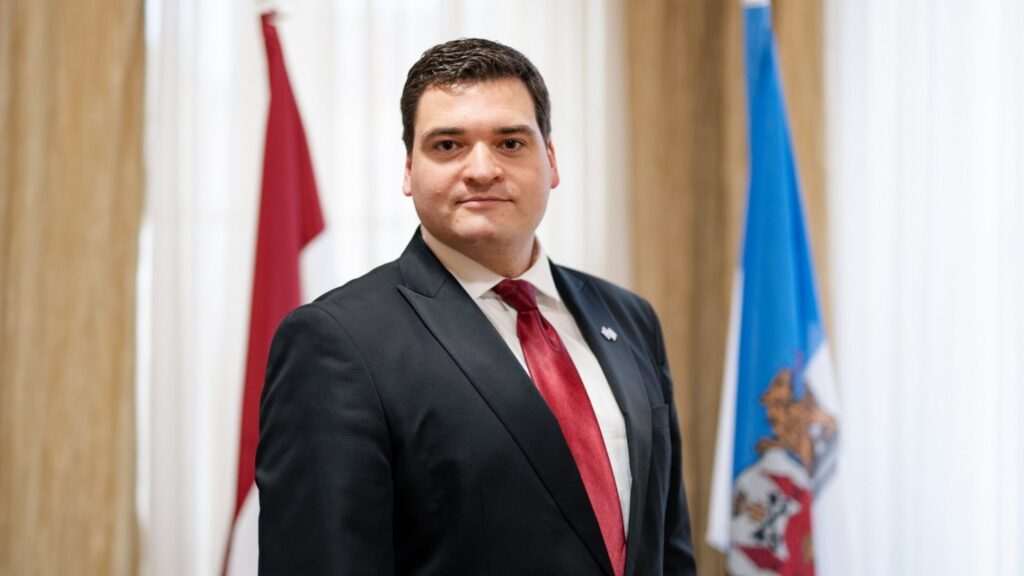
“Ukraine is currently fighting for the whole of Europe. Ukraine’s victory in the war is as important to us as it is to Ukrainians themselves. Ukraine must not fall, because then no country in Europe will be able to feel safe.”—Edvards Ratnieks

“What I mean by ‘cyborg theocracy’ is the moral and political order which emerges from the belief that we are most emancipated when our condition of freedom is underwritten by technology.”

“I want to encourage Christians with a history of our spiritual ancestors who did not flinch from professing their faith, even in an increasingly atheist society.”—Rev. Matthew Heise
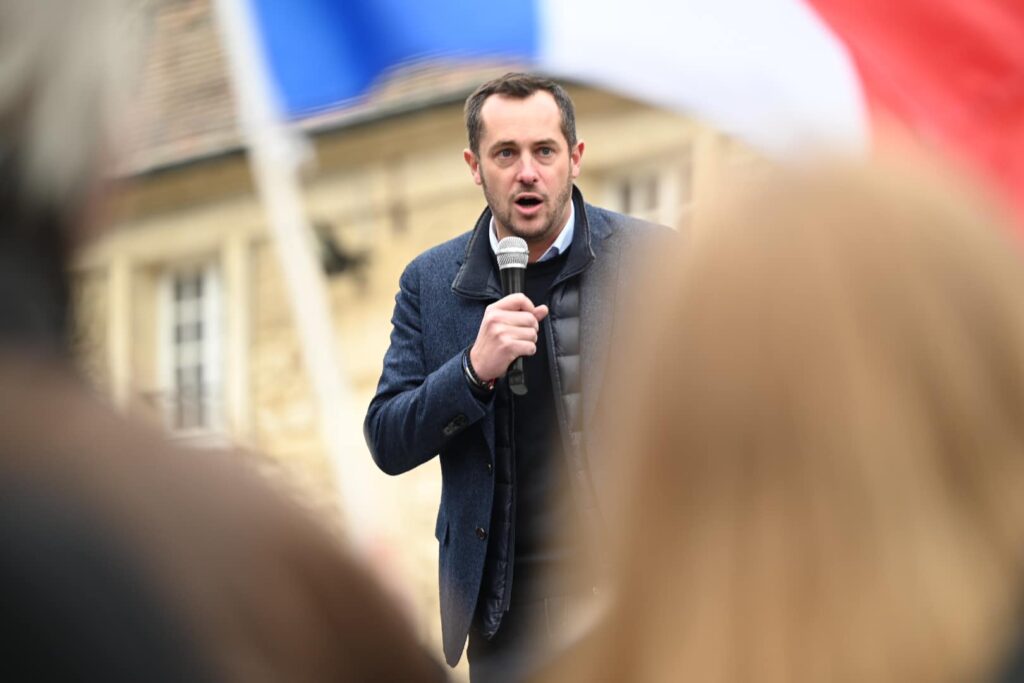
Reconquête embodies the civilizational Right. We are attached to traditions, civil and economic liberties, and the protection of the French people and our identity. We represent a classical conservatism capable of facing contemporary challenges.