

Giussani and Testori on What it Means to be ‘Pro-Birth’
The Meaning of Birth presents a dynamic struggle to articulate the beauty of our being born and other wisdom necessary to recover the metaphysics of being ‘pro-birth.’

The Meaning of Birth presents a dynamic struggle to articulate the beauty of our being born and other wisdom necessary to recover the metaphysics of being ‘pro-birth.’
Daniel Craig’s southern detective dressed like Cary Grant invokes the gravitas of tradition against postmodernity’s myth of the tech-disruptor, together with a heroine armed with a perfect disinterest in wealth.

Penguin’s choice to publish Marvel comics under their “Classics” label is provocative, but is it justified? This month’s comics column considers this question while reviewing the new Penguin volumes.
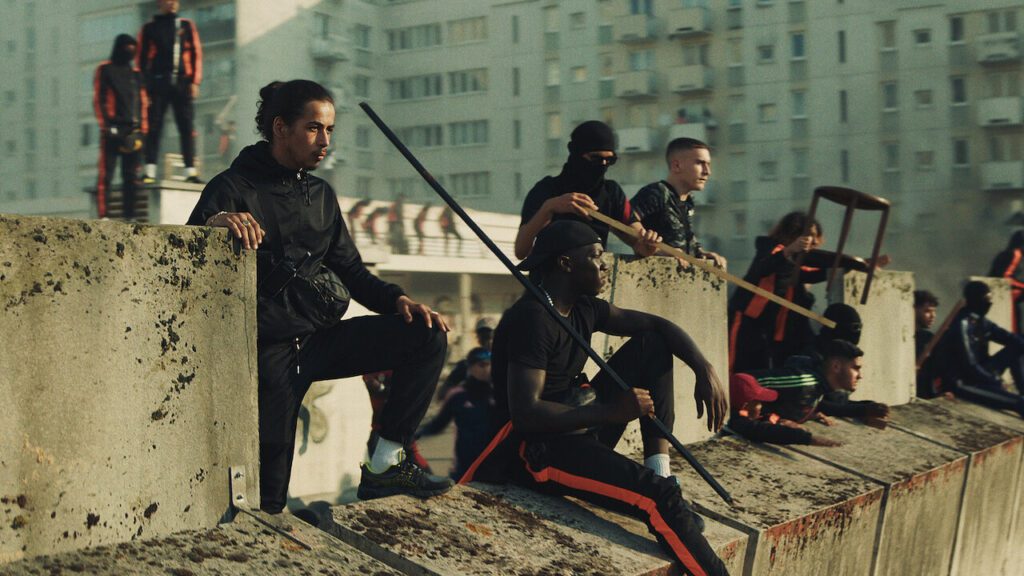
Apocalyptic fiction will tend to promote either conformity or radicality, depending on whether the source of impending destruction is identified with the powers-that-be or some rebel force.
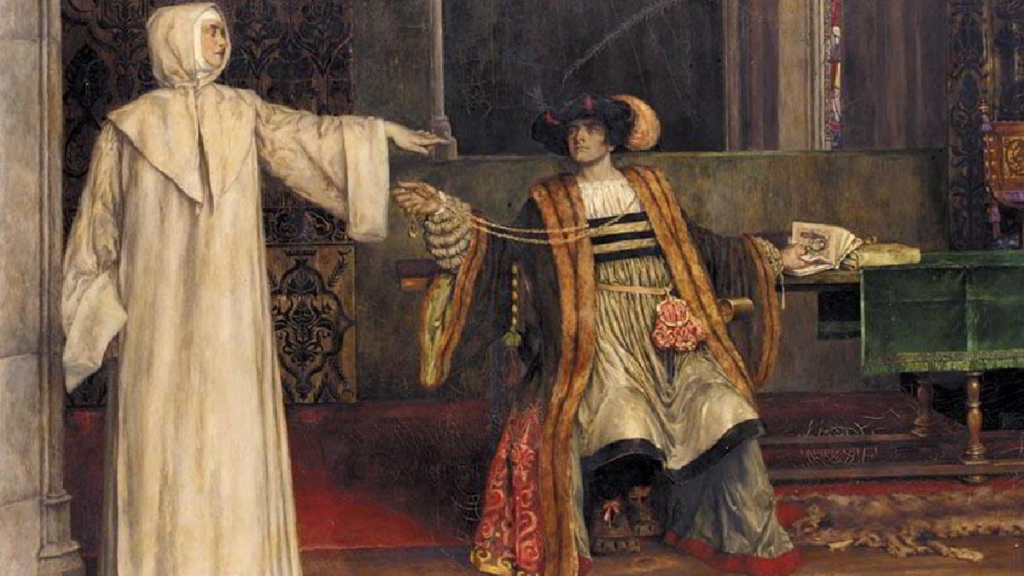
Sin is a perennial reality that we cannot eradicate through political will. Instead, we are called to heal the world. One of the best dramatic considerations of this is Shakespeare’s hilarious, beautiful, and criminally overlooked play, Measure for Measure.
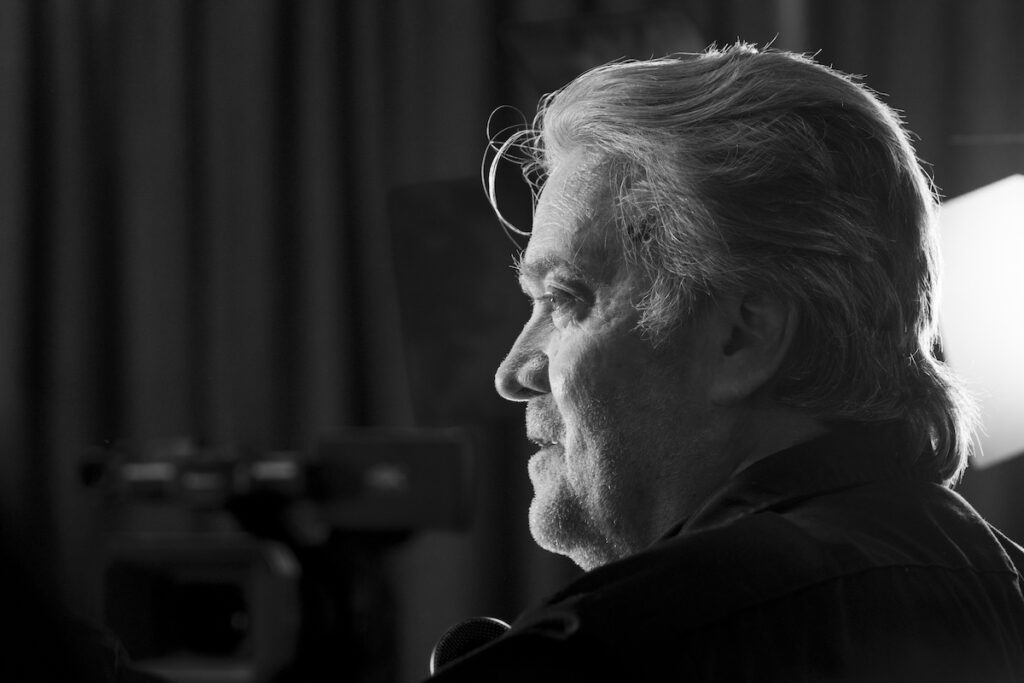
Bannon is attracted to a mystical form of Traditionalism, although his version of it is very unconventional. He is an American traditionalist who views the working class as the salt of the earth uncorrupted by liberal modernity.

If one picked up this book expecting a genuine defence of COVID restrictions, one would soon be disabused of that notion. It is both hilarious and deadly serious, obliging the reader to remember all the traumas that befell us.

The score of Tristan, an opera that commands what Dudamel claims to be his obsession, radiated brilliantly with a fine Gallic touch from the Opéra’s orchestra.
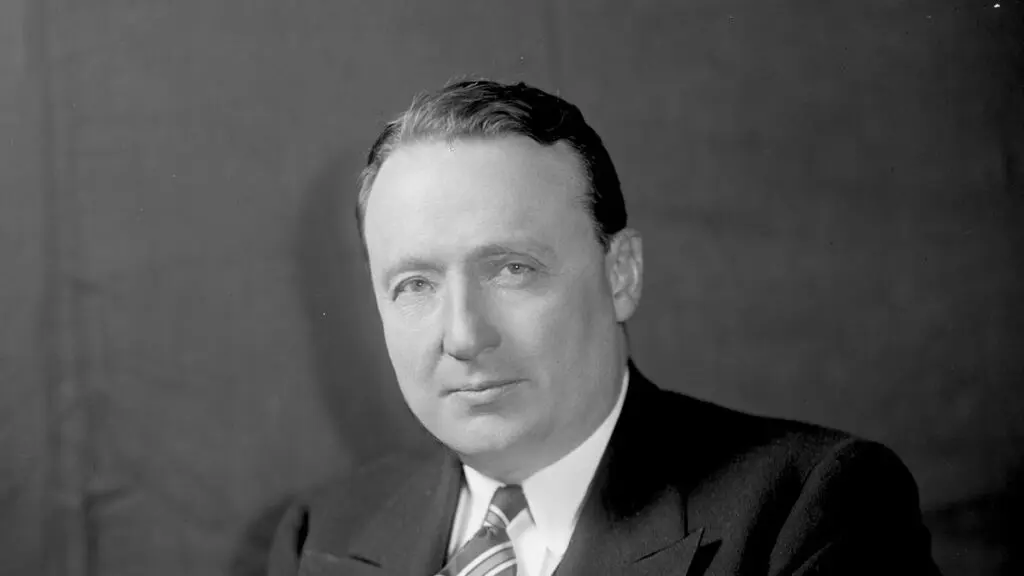
In this biography, Christopher J. Farrell describes an extinct species—a muscular liberal and hardcore anti-Communist. It is interesting to read about a man like Earle in an era where, according to progressives, there are mere inches between calling for tax cuts and becoming Hitler.

A Pulitzer-prize winner chronicles Oswaldo Payá’s lifelong struggle to bring democracy to Cuba.

Waugh’s trilogy approaches war with a transcendent hope that is capable of withstanding the slings and arrows of modernity without losing itself.

A great deal has been said recently about Alexander Dugin’s thought. Michael Millerman, the foremost English language interpreter of the “most dangerous philosopher in the world,” reviews his 2021 book.

One of Hazony’s aims is to remind us that liberals and conservatives, while they teamed up against Communism to win the Cold War, do not share a political project. “Enlightenment liberalism,” Hazony argues, “is bereft of any interest in conserving anything. It is devoted entirely to freedom, and in particular to freedom from the past.”
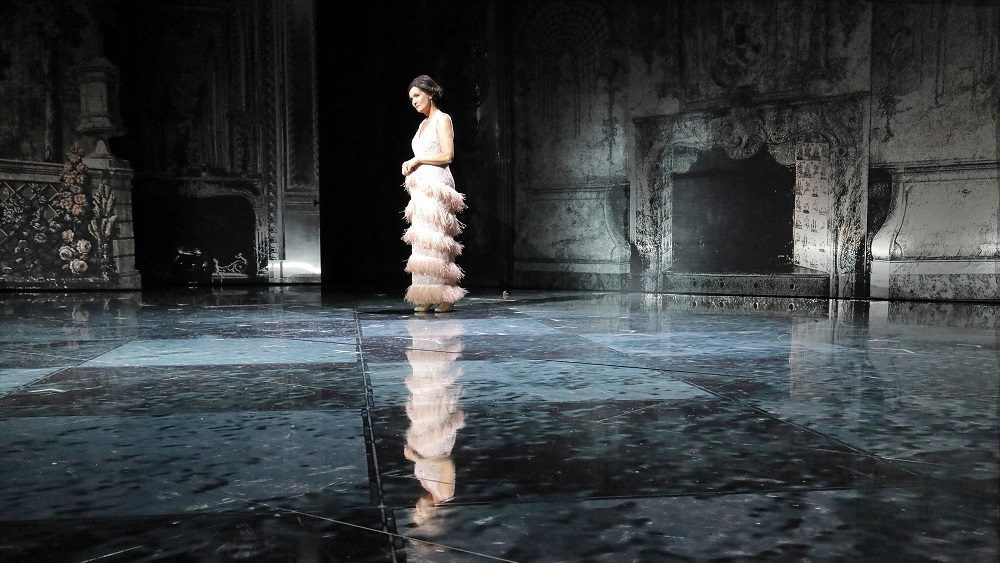
If the visuals left us baffled and disappointed, the musical performance reached toward the stars. The superb soprano Marlis Petersen delivered a sensitive, nuanced Marschallin that captured the character’s emotional dilemmas with a pathos unseen since Renée Fleming gave up the role five years ago.
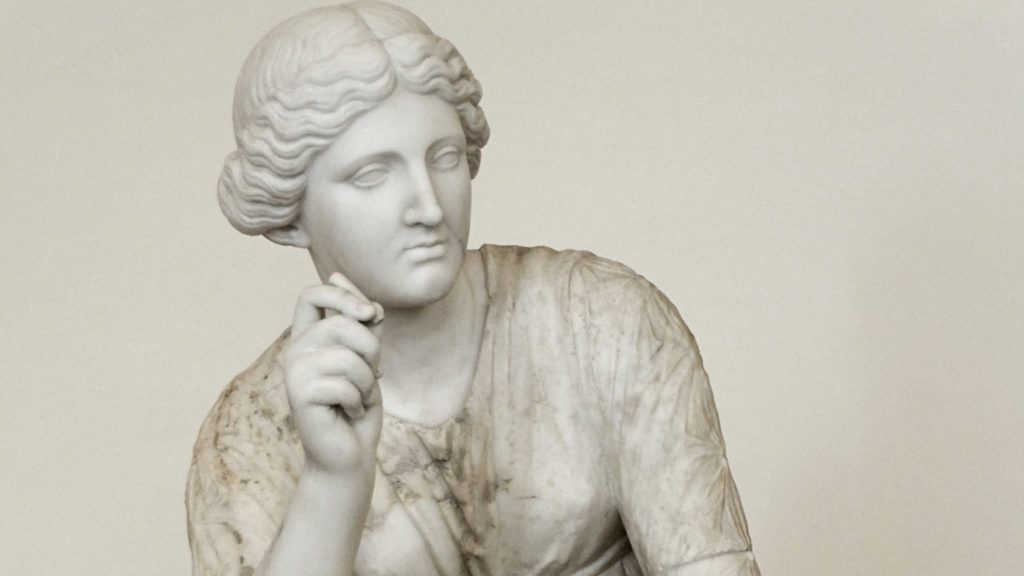
Rarely, if ever, does Christopher Ricks raise a point without matching it with some apt snippet of verse. Or, rather, rarely does Ricks raise a point at all; instead he discovers, within the verses of poets, the point he himself would like to raise and consider, so that reading a Ricks essay can become a game of hide-and-seek as the critic dodges and peeks from between the curtains of carefully selected verse.

We witnessed a prolonged curtailment of freedom of movement, freedom of association, and freedom of speech. But Mark Woolhouse does not address this. In fact, while he clearly comes out as lockdown sceptical, it is not entirely clear why.

Louise Perry is both predicting and calling for a counter-revolution, likely led by the “Gen Z women who have experienced the worst of it.”
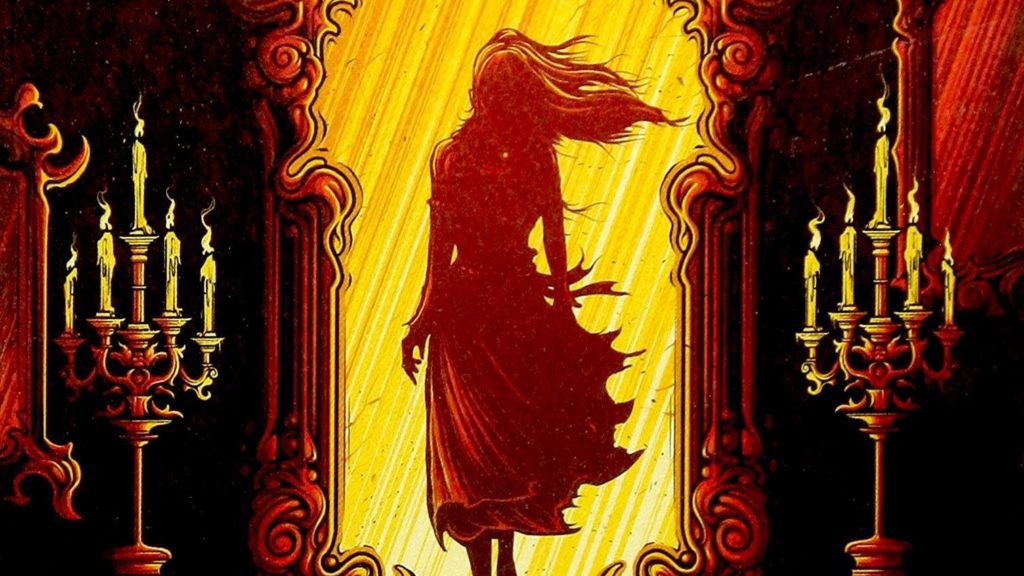
The novel treats Britain’s past with the utmost respect it deserves; the regency world is presented to the reader in all its glory. Susanna Clarke does not betray its spirit by infusing it with modern culture, unlike so many other representations of the period.
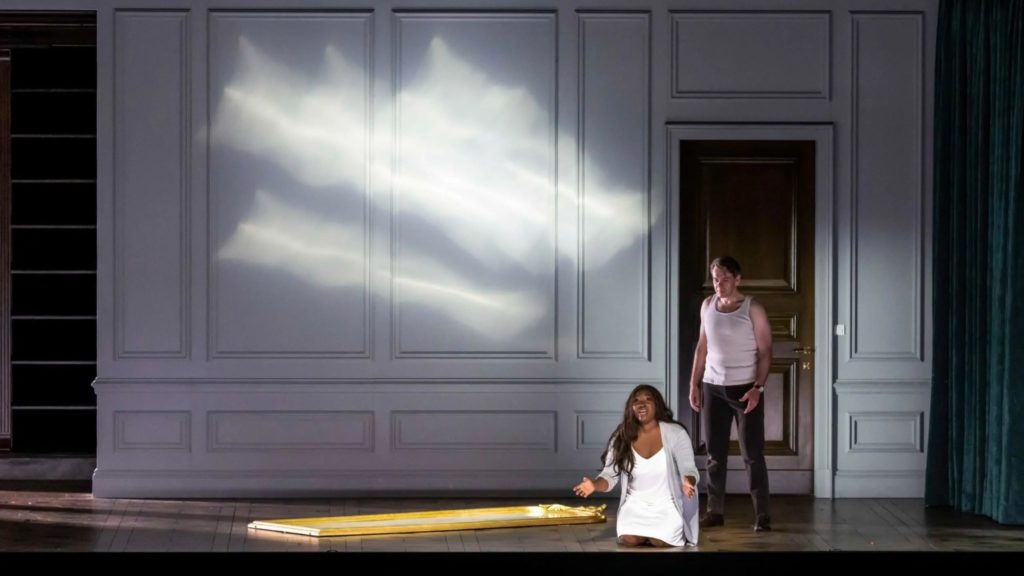
Tobias Kratzer successfully framed the tale’s tension between the temptation of lustful vice and the promise of salvation as a modern ‘crise de conscience.’
Reading Sigrid Undset’s trilogy challenges readers to confront their own moral vacillations and need for constancy.
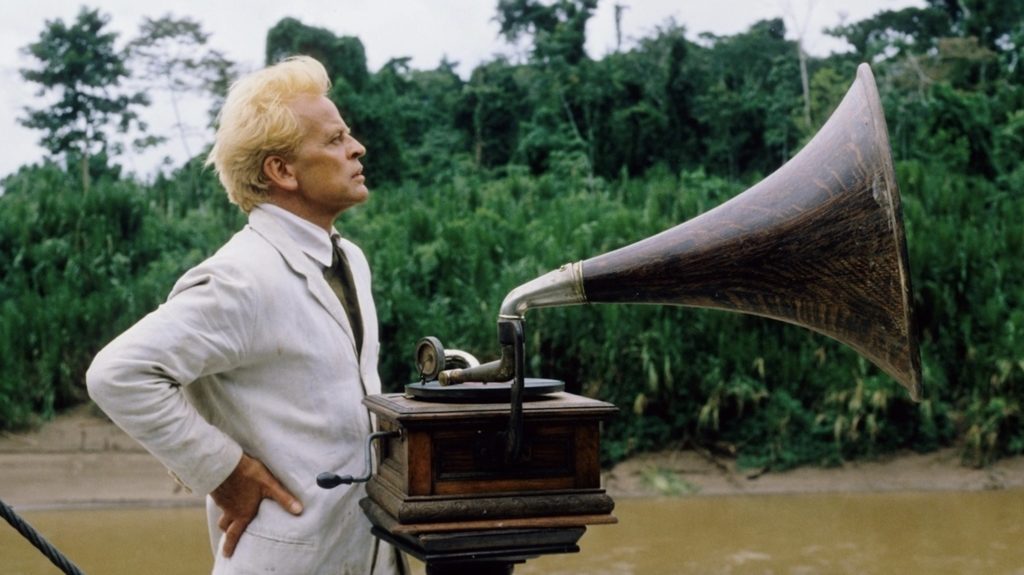
Hypersensitivity forces beauty into a politically-correct straitjacket. It is hardly surprising that such straitjackets kill beauty, for what cannot breathe, cannot live.
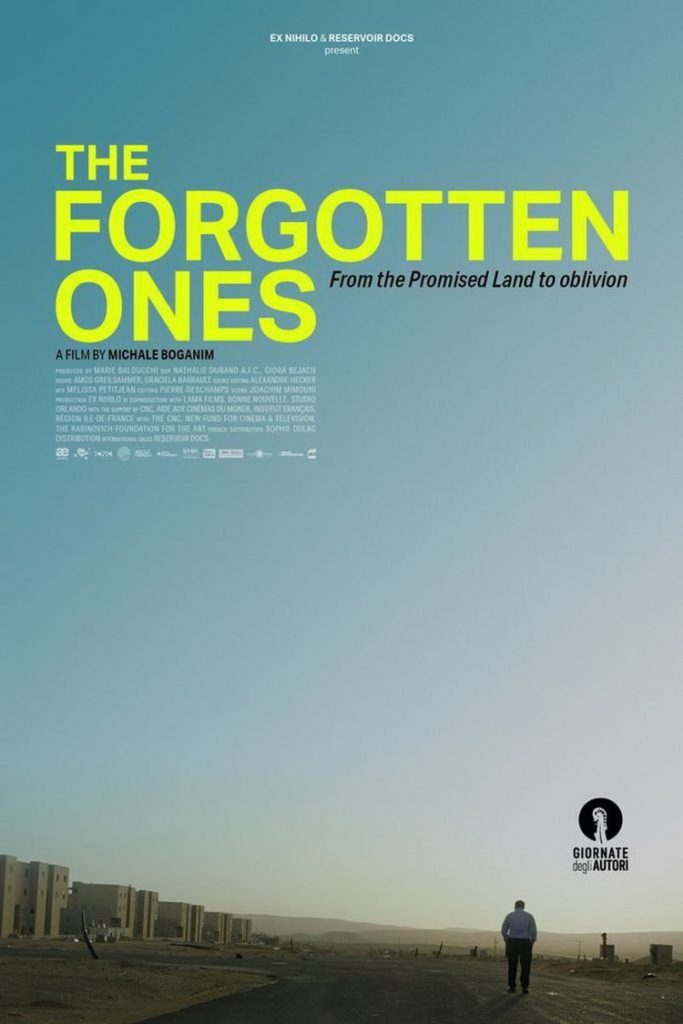
Oriental Jews may well have been discriminated against throughout Israel’s early decades, but Michale Boganim’s latest documentary vastly exaggerates their current plight.