

The Age of Pathological Benevolence
What happens when empathy becomes an ideology rather than a virtue? Gad Saad’s Suicidal Empathy argues that the West’s greatest moral strength has been transformed into a recipe for self-destruction.

What happens when empathy becomes an ideology rather than a virtue? Gad Saad’s Suicidal Empathy argues that the West’s greatest moral strength has been transformed into a recipe for self-destruction.

It may be a backhanded compliment to say that this was the most exciting Met premiere in the last 20 years, but it is hard to think of anything else that was as interesting.
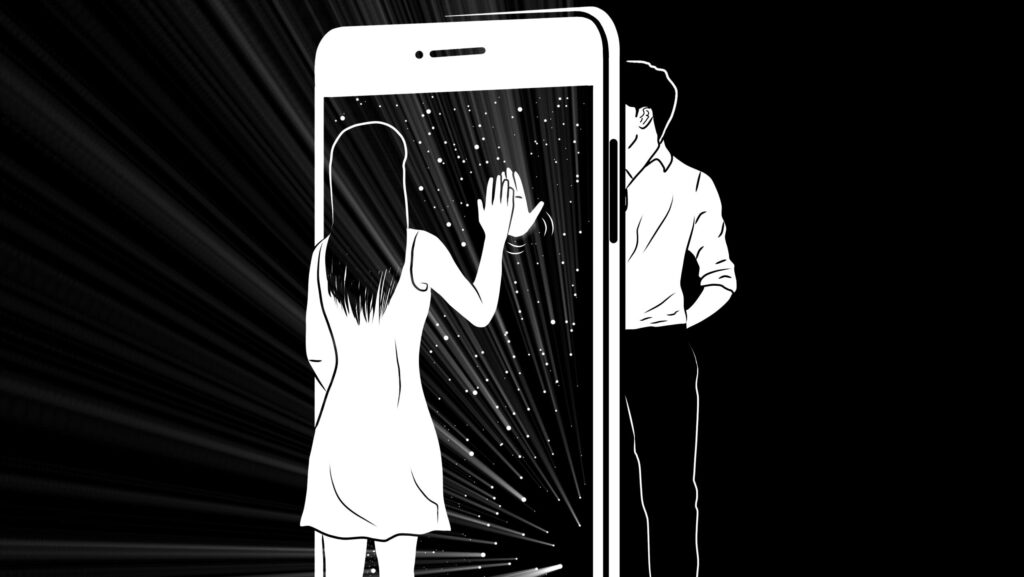
Freya India, like millions of her generation, was exposed to hardcore pornography before she was exposed to Christianity. Like millions of others, she grew up in a culture that offered her everything but her civilizational inheritance.

Technology has spun a web around us so all-encompassing that for many young people, a campfire in a snowy forest feels like a different world.

Edward McLaren’s recently published novel Bothelford’s Gone fictionalizes Britain’s grooming gangs.
Four weeks after topping the charts, The Abandons is already forgotten. Is this the end of the Western—or a symptom of instant-gratification culture?

The solutions proposed are dramatic, but not compared to possible alternatives: social collapse, ethnic strife, or, if Professor David Betz’s warnings prove true, civil war.

Bill Forsyth’s Comfort and Joy has the quiet dignity of an old Christmas jumper, albeit one with a distinctly odd pattern.

Aelthelstan was both brutal and crafty but also appeared pious and genuinely concerned for the welfare of his kingdom.

In a brilliant dissection of the political “extreme center,” Bock-Côté shows that liberal technocracy is as much of a threat to freedom as the woke mob.
What happens when empathy becomes an ideology rather than a virtue? Gad Saad’s Suicidal Empathy argues that the West’s greatest moral strength has been transformed into a recipe for self-destruction.
It may be a backhanded compliment to say that this was the most exciting Met premiere in the last 20 years, but it is hard to think of anything else that was as interesting.
Freya India, like millions of her generation, was exposed to hardcore pornography before she was exposed to Christianity. Like millions of others, she grew up in a culture that offered her everything but her civilizational inheritance.
Technology has spun a web around us so all-encompassing that for many young people, a campfire in a snowy forest feels like a different world.
Edward McLaren’s recently published novel Bothelford’s Gone fictionalizes Britain’s grooming gangs.
Four weeks after topping the charts, The Abandons is already forgotten. Is this the end of the Western—or a symptom of instant-gratification culture?
The solutions proposed are dramatic, but not compared to possible alternatives: social collapse, ethnic strife, or, if Professor David Betz’s warnings prove true, civil war.
Bill Forsyth’s Comfort and Joy has the quiet dignity of an old Christmas jumper, albeit one with a distinctly odd pattern.
Aelthelstan was both brutal and crafty but also appeared pious and genuinely concerned for the welfare of his kingdom.
In a brilliant dissection of the political “extreme center,” Bock-Côté shows that liberal technocracy is as much of a threat to freedom as the woke mob.

Long before the birth of AI, the British Empire used archival bureaucracy to manage populations.

The author exposes that woke is not, as many probably think, an overdose of niceness. Woke is pure authoritarianism.