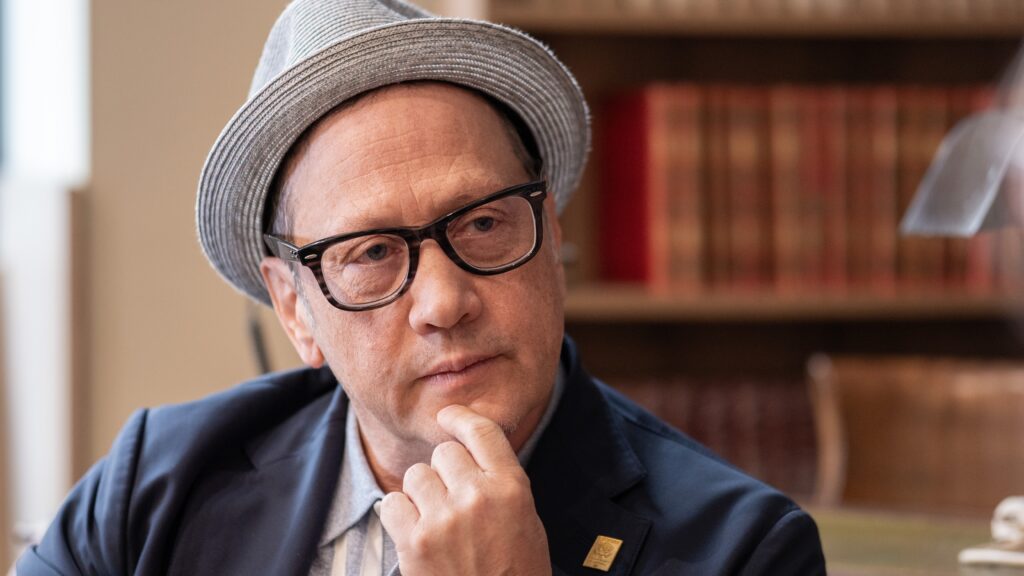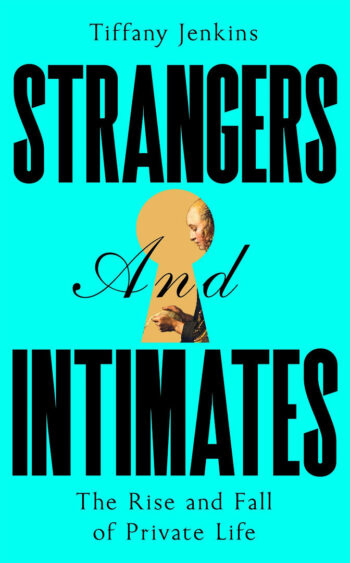
Why are we so eager to bare our souls in public? From confessional podcasts to viral therapy sessions, privacy is out—and oversharing is in. In her provocative new book Strangers and Intimates: The Rise and Fall of Private Life, sociologist Dr. Tiffany Jenkins, a writer and cultural historian, explores how we lost the private sphere—and why it matters. Speaking with Rob Killick, she traces the collapse of the boundary between public and private, arguing that it wasn’t technology that broke it down, but politics—and that unless we relearn how to keep parts of ourselves hidden, we risk forgetting what it means to be human.
I wanted to know how and why a division between public and private life emerged, because I knew it was not a natural phenomenon. And I also wanted to know how and why the divide between the two dissolved. And most books talk about privacy in a very narrow way, and they talk about it as eroded by technology. I knew that could not be the case. I also wanted to account for why those discussions did not really touch on the private sphere and aspects of privacy which have been given up easily, around the family, for example.
It emerges first in Europe in the 17th century. But it does not begin as privacy. It begins as a separation from authority out of the religious wars. A private sphere was created really to allow freedom of worship. Religious conflicts had become so destructive, the battles over faith had caused bloodshed throughout Europe. So, it was a pragmatic and tactical thing that then erupted in the 17th century in a division between public and private. And the private sphere took shape, but also became valued. You can see this in things like the emergence of the novel, which discusses the values of the private sphere, about intimacy and domesticity.
It is important because it is a space for the individual and their family to develop an inner life—to repossess themselves, as John Stuart Mill would put it, to experiment in living. To just relax and mess around. So, it is important for that. It is important for intimacy because without it, you cannot have an intimate life. At the beginning of every relationship, there is a point when you tell something private as a way of being vulnerable, and that creates trust and loyalty and protection. And without privacy, you cannot have that. And it is essential for a public square, for politics. When you have some time away from everybody else, away from the scrutiny of others, and you go back into the public realm, you can be better citizens. So, for those three reasons, it is essential.
There are a number of trends. One is what happens to the Left. They become disenchanted with their broader political programs. They no longer see the working class as an agent of history. If you look at some things, like Students for Democratic Society in America in the sixties, they started talking about the need to change oneself, and being authentic, not being phoney. So, they turn away from politics.
And there is also a particular strand of radical feminism that takes this to its logical conclusion in opening up the private sphere. In the words of Carol Hanish, the personal is political. Certain radical feminists also think that privacy and the private sphere are really just a space for men to abuse women. So the family needs to be exploded. So those processes really do open up the private sphere and also reduce the political sphere.
It reinforces but does not cause the erosion of the distinction between public and private life. If you look at the way in which people were behaving before new technology came in, it was already about opening up the private sphere, being ‘authentic’ in public. Television programs that invited the cameras into families happened in the seventies, so this behaviour is already happening. And then technology comes along, and it perhaps accelerates it—but while it certainly facilitates it, it does not cause it.
A lot of the discussions around privacy today are very narrow. They are just about technology. They tend to blame technology for all sorts of social problems that the tech did not cause, and they certainly will not solve them by dealing with tech. You will not solve any of these problems just by dealing with tech.
There is always tension. The guy who wrote the most famous article in privacy’s history, Louis Brandeis, changed his mind after calling for privacy laws in America in the early 20th century because he knew a free press was essential for a democracy. And that might mean all sorts of incursions into people’s privacy, but that was for the greater good.
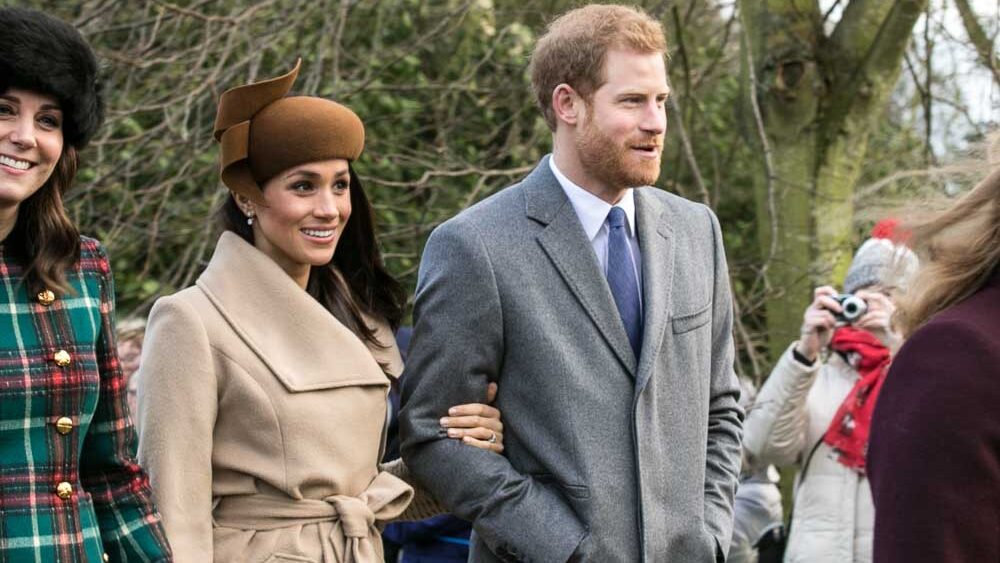
I would say a free press is absolutely essential. When celebrities like Meghan and Harry turn their private lives into a selling point—the basis for their fame—it’s inevitable that the press will take an interest in those private details. And so, they are in some ways complicit in it. And what they effectively just want is control over their image. And I am afraid they cannot have that.
You are seeing debates over what human beings are: do they need to be in glass houses, to be protected by the state from themselves and each other? Or can they be trusted to be free, private, autonomous citizens in public? And the pendulum swings away from thinking that they are capable. These are just animals that can be prodded and pushed, then the idea that they might have a private space falls away.
I think everybody needs both privacy and secrecy. We are, as a society, confused between what should be public and what should be private. Something has changed culturally. It is the sense that we are more animal than human. So, putting makeup on when you are on the tube, that sort of thing. It is a mark of a civilized society that certain animal habits that are not shameful should be private, and you can see it around issues to do with sex as well. And there is just a general sense that, so the tech giants often say, if you have got something to hide, you should not be doing it anyway. But people do keep some things separate and private, not because it is shameful, but because it offends our sense of ourselves to put it out in public. But that is why I love Hobbes. He had this tremendous insight about privacy, which is that you are free in your own mind. Thought is free.
We can make an impact by developing our own inner lives, not putting everything out in public, drawing boundaries, and being clear when agencies overstep those boundaries. So that means the state. But it also means behaving in public not as individuals with lots of personal baggage, but as better citizens, as public professional people. When we are at work, we do not bring our ‘true selves’ to work. We create a division between how we behave in private and how we behave in public.