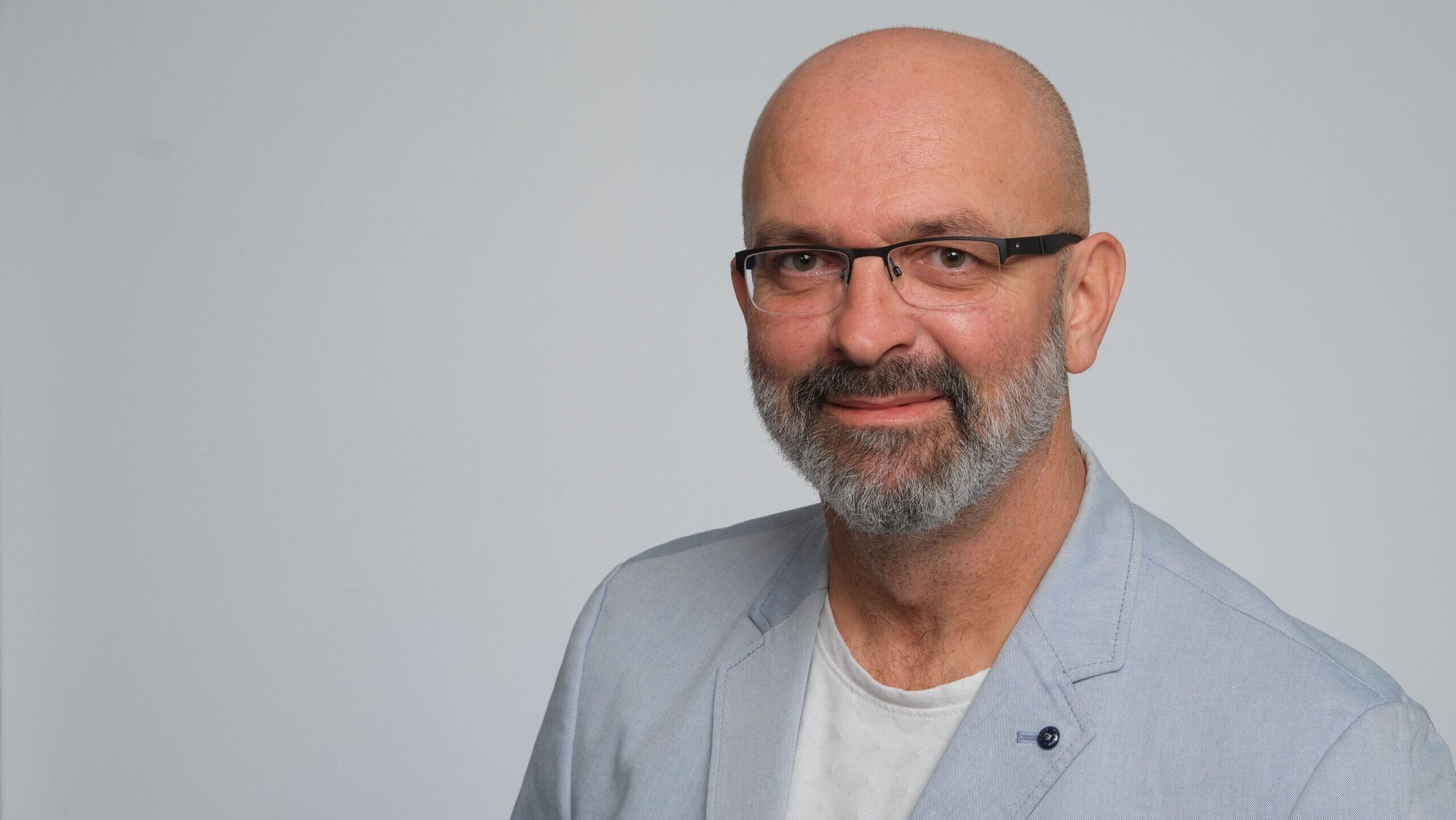
Sebastjan Jeretič
Courtesy of Sebastjan Jeretič
Sebastjan Jeretič is a political analyst and professor of political communication and lobbying. An expert in communication and political psychology, he holds a Ph.D. in Political Science with a focus on voter decision-making. We talk about the upcoming Slovenian elections, set for this Sunday, March 22, and the corruption scandal that has put Prime Minister Robert Golob on the ropes.
Yes, this scandal has been the culmination of a very long election campaign. It hasn’t just been the usual campaign in the month leading up to the elections; we’re talking about six months of political struggle. And most of the issues have been discussed over a hundred times. The first is healthcare, which is collapsing due to the far-left policies of the Golob government. Efficiency has been destroyed, and a modern public system has been turned into a sort of state-run socialist system, which is a breeding ground for corruption. Next is the economy, which has also been severely damaged because the government has strangled small and medium-sized businesses with taxes and bureaucratic red tape. And third is agriculture, which has been suffering from the actions of various NGOs—backed by the ministry—that have imposed all sorts of ideological agendas on the rural sector. Instead of focusing on important issues, such as demographics, the end of the campaign has erupted with this corruption scandal.
We have several video and audio recordings of various government officials exposing this administration’s corruption: embezzlement of public funds, 10% kickbacks, etc. Those involved explain how the corruption works and boast about it. Unfortunately, Slovenia is a country where corruption is deeply entrenched due to certain elements within the police and the judiciary that are a legacy of the networks of the old communist system.
What has the Golob government done in response to this scandal? Well, instead of addressing the content of the tapes and the corruption they expose, they are focusing solely on the question of who did it and how the tapes were recorded. They argue that it was an illegal act carried out by Israel under the direction of the Slovenian opposition. They have presented no evidence, but on Monday they directly accused the opposition leader, Janez Janša, of having invited the Israeli secret services to Slovenia.
Because they believe it’s their last chance to turn things around. Most Slovenians are now against Israel and in favor of Palestine, and this is the only card Golob has left to play. They know that Janša supports Israel and the United States, and that’s why they’ve tried to implicate him in this as part of the “genocidal coalition”—which is what the leftists call both countries. Strategically, we can say it was a good attempt, but it’s too late. On Sunday there was a televised debate between Golob and Janša, likely the most-watched program of the entire campaign, and while Golob appeared nervous, almost hysterical and aggressive, Janša remained calm. Golob knows that the game is over.
There is corruption in public works and healthcare investments, particularly regarding the procurement of medical supplies, and this corruption is covered up by a segment of the police and judicial systems that has its roots in these networks. As a result, major corruption cases have ended up in the hands of handpicked judges who have done absolutely nothing to resolve them. But in this case, for the first time, we have high-ranking politicians with significant responsibilities speaking openly about corruption and how it can reach the prime minister or the mayor of Ljubljana.
They have come to nothing because they were nothing more than a political campaign carried out by these judges, but they received enormous media coverage due to the government’s control of the media: public television and some private stations. In contrast, conservative media outlets, outside the government’s control, have been systematically attacked.
They’re reporting the story without delving into the content of these recordings. First, they claimed the material was generated by AI; then they said the conversations were taken out of context; and now they’re asking, “Is Israel taking action against Slovenia?”
In my opinion, with thirty years of experience in Slovenian politics, this will not change the minds of voters who were already determined to vote against the current government. At least two out of every three voters will vote against Golob, and the margin in favor of the opposition is already set. What this scandal will do, however, is lead to a lower turnout among those voters who were undecided about whom to support and who take refuge in the notion that “they’re all the same.”
That’s right. And also in the government’s defeat last year in two ideological referendums. The first was on euthanasia—the world’s first referendum on this issue—and it was rejected by 53% of Slovenians. The second sought to increase pensions for certain members of the ‘cultural elite,’ who are ideologically on the left, but it was also rejected. The government believes it can mobilize the left against Janša, but while this was possible four years ago, after COVID, the aversion toward Golob due to mismanagement in healthcare, the economy, and agriculture is now so great that I do not see how they can turn the situation around.