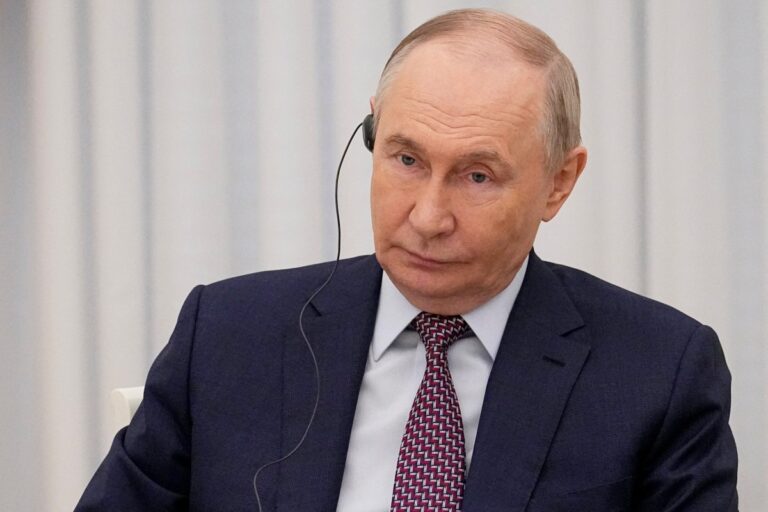
CDU leader Friedrich Merz isn’t having a good week—and it’s only Tuesday. Over the weekend, first, a poll came out showing his party has now lost enough support to be neck-and-neck with populist anti-migration AfD and then, the CDU party group in Potsdam-Mittlemark demanded the party leadership allow members to—in a vote with binding force—say yea or nay to any coalition agreement with the social democrat SPD.
As icing on the cake, a new RTL/ntv trend poll from the Forsa Institute shows 60% of Germans don’t think Merz is fit to be chancellor. At the end of March, ‘only’ 47% rejected him for the role. A mere 32% consider him the right man for the job.
And according to a Civey survey for Die Welt, 63% of voters also don’t think Merz will bring any kind of change of direction to German politics.
The lack of faith in Merz as a change agent is hardly surprising, as the CDU’s policies are looking more and more like those of the old ‘traffic light coalition.’ Already before coalition negotiations were finalized, he U-turned on election promises on migration and environmental policy in order to get socialists and greens to support a bill in the old Bundestag—before the newly elected parliament was seated—allowing a massive €1 trillion debt to boost spending on defense and infrastructure (which was a U-turn on another election promise; this time, to not take on more debt).