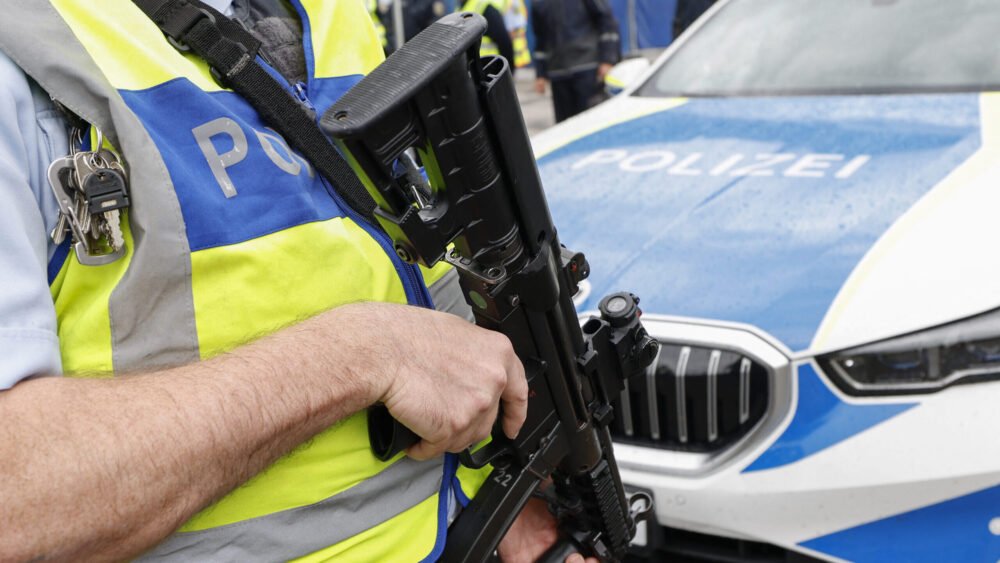
German federal police guards
Michaela STACHE / AFP
Nearly 99% of serious terrorism cases in Germany during the first half of 2025 involved foreign nationals or Islamist extremists, according to newly released federal data. Of the 146 proceedings launched by the Federal Prosecutor General between January and June, 84 were linked to Islamist terrorism and 60 to other forms of foreign-related extremism.
Only two cases involved right-wing extremism, and none were tied to left-wing groups. The figures—published in response to a parliamentary inquiry—raise questions about Germany’s current security priorities and whether public debate is focused on the most pressing threats.
The Federal Prosecutor General’s office, which handles serious national security offenses including terrorism and espionage, released the figures in response to a parliamentary inquiry. The data reflects ongoing challenges associated with global extremist networks and highlights the complexity of ensuring internal security in a diverse and open society.
Member of Parliament Martin Hess, of the right-wing AfD, said the figures should serve as a wake-up call, urging a more honest and balanced public debate on extremism. He argued that the data clearly point to the growing threat of imported radicalisation and called for it to be taken far more seriously. He also called for stricter migration and security measures, including enhanced deportation policies for foreign nationals involved in extremist activity.
While public and political debate in Germany often centers on the threat of right-wing extremism, these findings show where the real problem lies. The figures also show a notable increase in cases compared to the same period in 2024, reflecting ongoing security challenges both domestically and internationally.