Ian Sanderson via Flickr
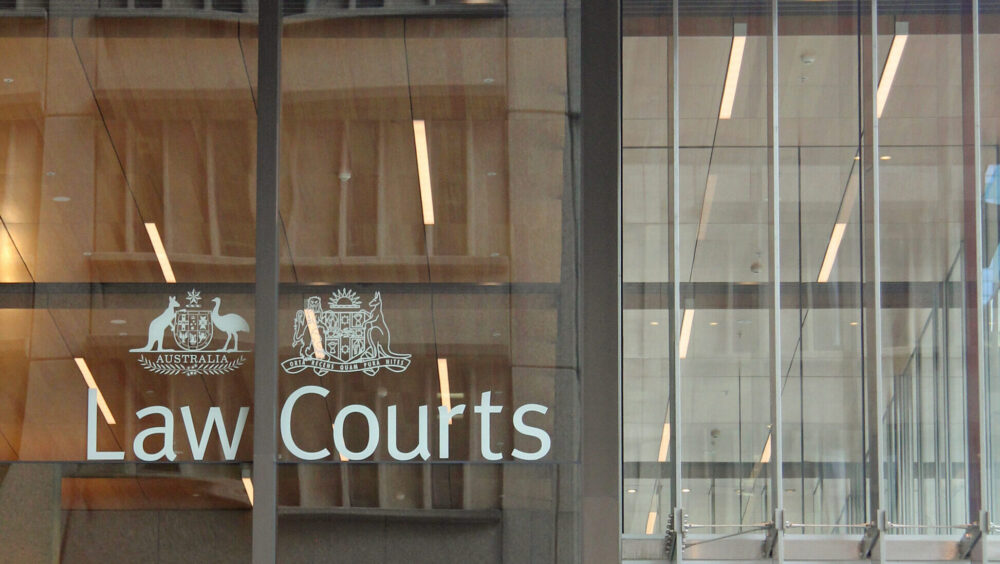
Next month an Australian court is expected to rule, in effect, on the legal definition of a woman. It will consider an appeal against a previous ruling in the case of Tickle vs. Giggle—with serious implications for Australia as a whole.
On Friday, August 23rd last year, Justice Robert Bromwich declared that
Roxanne Tickle was of the male sex at the time of birth, but is now recognised by an official updated Queensland birth certificate… as being of the female sex.
This bureaucracy-friendly decision trumped biological reality by deferring to the former Robert Tickle’s paperwork, granting him access to women’s single-sex spaces.
Back in 2013, the Labor government of then-prime minister Julia Gillard amended Australia’s Sex Discrimination Act to treat ‘gender identity’ as a protected characteristic. This would be tested after February 2021, when Roxanne Tickle first signed up for the Giggle women-only app and was initially approved to join by facial recognition technology. Subsequently, app entrepreneur Sall Grover excluded Tickle after reviewing the image he submitted in order to join.
Hell hath no fury like a ‘transwoman’ scorned, and so Tickle took the case to the Australian Human Rights Commission (AHRC) in December 2021 aiming to be reinstated on Giggle. When Grover refused to meet Tickle’s demands for cash and an apology, the latter lodged a discrimination lawsuit in the Federal Court in December 2022. Justice Robert Bromwich found against Giggle, thanks to what he considered “a long history of cases decided by courts going back over 30 years,” which established that “in its ordinary meaning, sex is changeable.”
Faced with ruinous legal fees and paying off Tickle, Giggle appealed in October 2024, arguing that the ruling would undermine women’s rights to access single-sex spaces, including in medical settings.
Grover’s legal team will now have the opportunity to argue against the fiction that ‘transwomen are women’ in a new hearing scheduled for August 4th–7th, at the Full Federal Court in Sydney. If successful, it could add to the common-sense legal impact of the UK Supreme Court ruling against the transgender ideology of the Scottish Parliament.