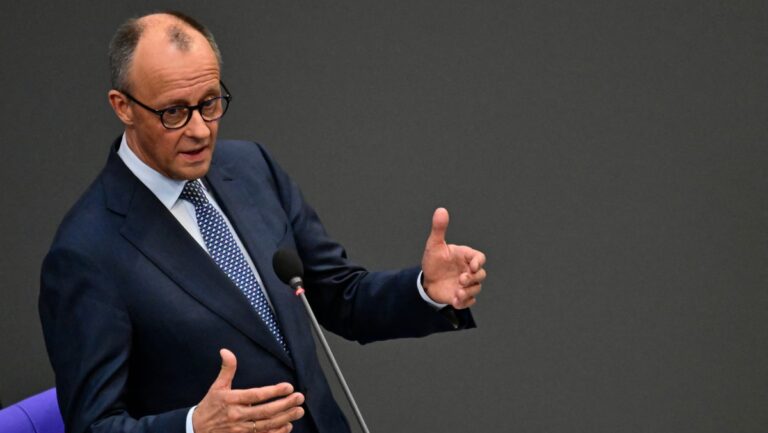
The new Merz-led government in Germany has plans to tighten up border controls and turn back illegal immigrants at the border.
The German coalition agreement states that the country will,
in coordination with our European neighbors, carry out turnbacks at shared borders even in cases of asylum applications. We aim to take all lawful measures to reduce irregular migration. Border controls at all German borders will continue until effective external border protection is in place and the European Union fulfills the existing Dublin and CEAS regulations.
A welcome initiative for Germans—but one not unreservedly applauded by all its neighbors.
Austria responded with what can best be called measured support. “A shared border also means shared responsibility—I look forward to friendly cooperation between us and our governments,” Chancellor Christian Stocker wrote on X.
Gratuliere, lieber @_FriedrichMerz zu deiner Wahl zum Bundeskanzler der Bundesrepublik Deutschland!
— Christian Stocker (@_CStocker) May 6, 2025
Eine gemeinsame Grenze bedeutet auch gemeinsame Verantwortung – ich freue mich auf eine freundschaftliche Zusammenarbeit zwischen uns und unseren Regierungen. pic.twitter.com/71IHyZwUv3
One complication of heightened border security is its impact on commuters, as tighter controls may lead to longer wait times at crossings.
That could present a particular problem for Germany’s smallest neighbor to the west. Luxembourg, home to one of Europe’s highest shares of foreign nationals, depends heavily on cross-border commuters. In 2019, over 200,000 workers—about 44% of the workforce—traveled daily from France, Belgium, and Germany.
“We must avoid creating borders in people’s minds again. Schengen must live! Unnecessary disruptions to cross-border traffic must be avoided, in the interest of the daily lives of the people in the Greater region,” Luxembourg’s Interior Minister Léon Gloden said. His country filed an official complaint about the planned German border controls with the EU Commission in February.