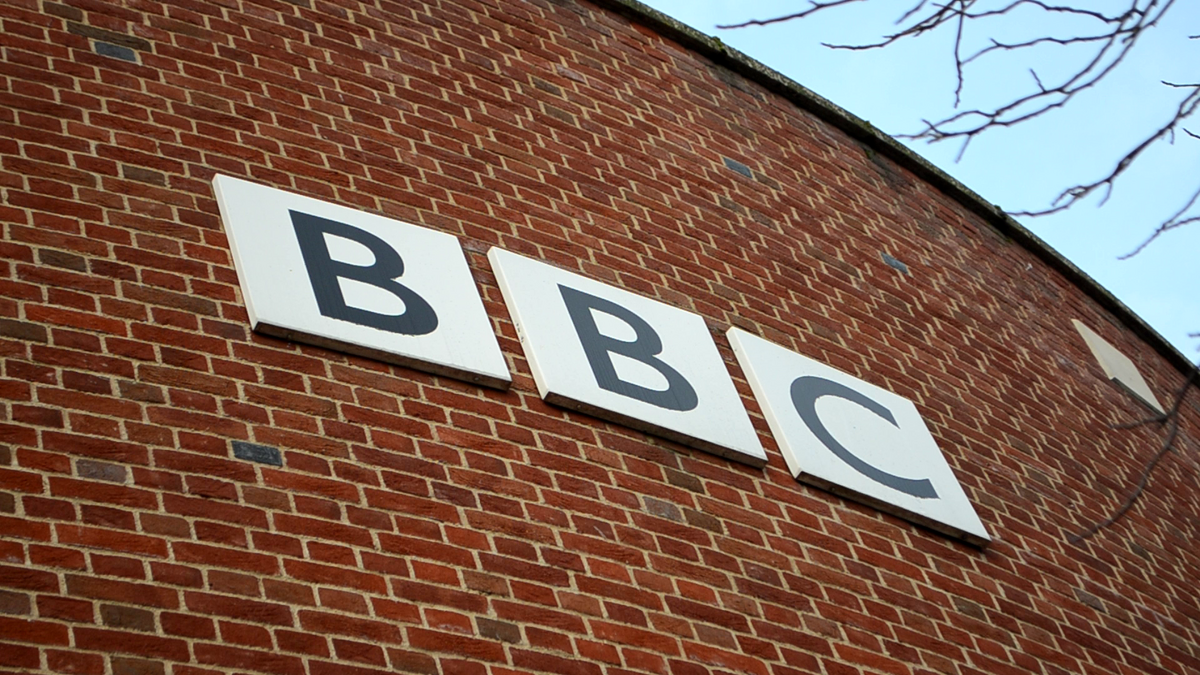
A photo of the BBC logo on the side of The Forum building in Norwich.
On Thursday, November 13th, the British Broadcasting Corporation announced that its chairman had sent a letter to U.S. president Donald Trump apologising for a misleading edit of one of his speeches, but rejected this as grounds for a defamation lawsuit.
It also pointed to an earlier, low-profile apology on its ‘Corrections and Clarifications’ webpage dated October 28th, stating that
The BBC would like to apologise to President Trump for that error of judgement.
The video edit has triggered a firestorm, leading the BBC director-general and the organisation’s top news executive to resign on November 9th, and drawing a threat from Trump’s lawyers to sue for $1 billion. The comments came after Britain’s embattled public broadcaster admitted to investigating a possible second instance in which a Trump speech was edited in a misleading way.
By Monday, November 10th, the BBC had apologised for giving the impression in its Panorama documentary aired last year that Trump had directly urged “violent action”—just prior to the assault on the U.S. Capitol by his supporters on January 6th, 2021.
The BBC has since responded:
We accept that our edit unintentionally created the impression that we were showing a single continuous section of the speech, rather than excerpts from different points in the speech, and that this gave the mistaken impression that President Trump had made a direct call for violent action.
The organisation also claims that “the clip was not designed to mislead, but just to shorten a long speech, and that the edit was not done with malice.”
BBC Chair Samir Shah has “sent a personal letter to the White House making clear to President Trump that he and the corporation are sorry for the edit of the president’s speech,” according to the broadcaster.
However, it maintains: “While the BBC sincerely regrets the manner in which the video clip was edited, we strongly disagree there is a basis for a defamation claim.”