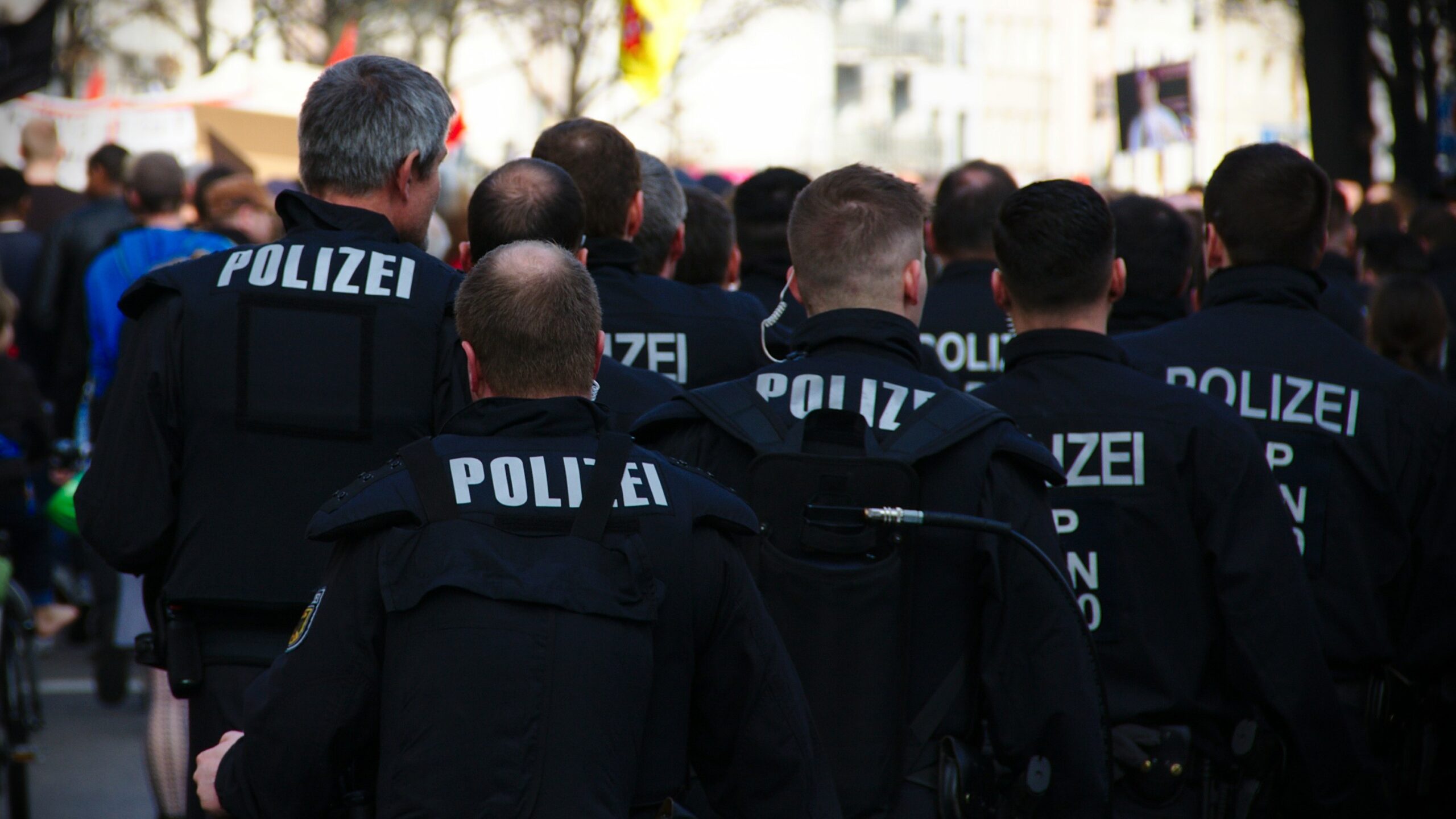
Recent internal data from the Berlin police department for 2024 and 2025 reveals a significant challenge in recruitment: a large portion of prospective officers are struggling to meet basic linguistic standards. According to official figures, 4,271 out of 10,874 candidates failed the mandatory German language examination, marking a total failure rate of 39.3%.
Interestingly, higher academic qualifications do not guarantee success. Even among those with high school diplomas or university degrees, 30.1% failed to pass the test. This trend has created a ripple effect in personnel planning, leaving approximately 25% of the 1,224 planned training positions unfilled last year. The department maintains that language proficiency is non-negotiable, as “written reports, protocols, and effective communication with citizens” are essential core competencies for daily police work.
The selection process utilizes a 200-word computer-based dictation exercise where candidates must accurately transcribe text read with pauses. Under current internal guidelines, anyone making more than 14 errors fails the assessment. Despite the availability of online practice materials, the need for linguistic support remains high even for those who pass; many trainees require supplemental German instruction during their first three semesters.
The federal government refuses to offer preparatory courses before the application phase. State Secretary of the Interior Christian Hochgrebe emphasizes the need for individual accountability, stating: “Applicants are expected to prepare for the selection process independently, as they are entering a profession characterized by a high degree of personal motivation.”