Unsplash
Canada has removed a decades-old legal safeguard protecting the quoting of scripture, after lawmakers forced through a controversial ‘anti-hate’ bill that is now headed for the Senate.
The House of Commons passed Bill C-9 by 186 votes to 137, with the Liberals and Bloc Québécois backing the measure and opposition MPs warning it risks eroding basic protections for religious expression.
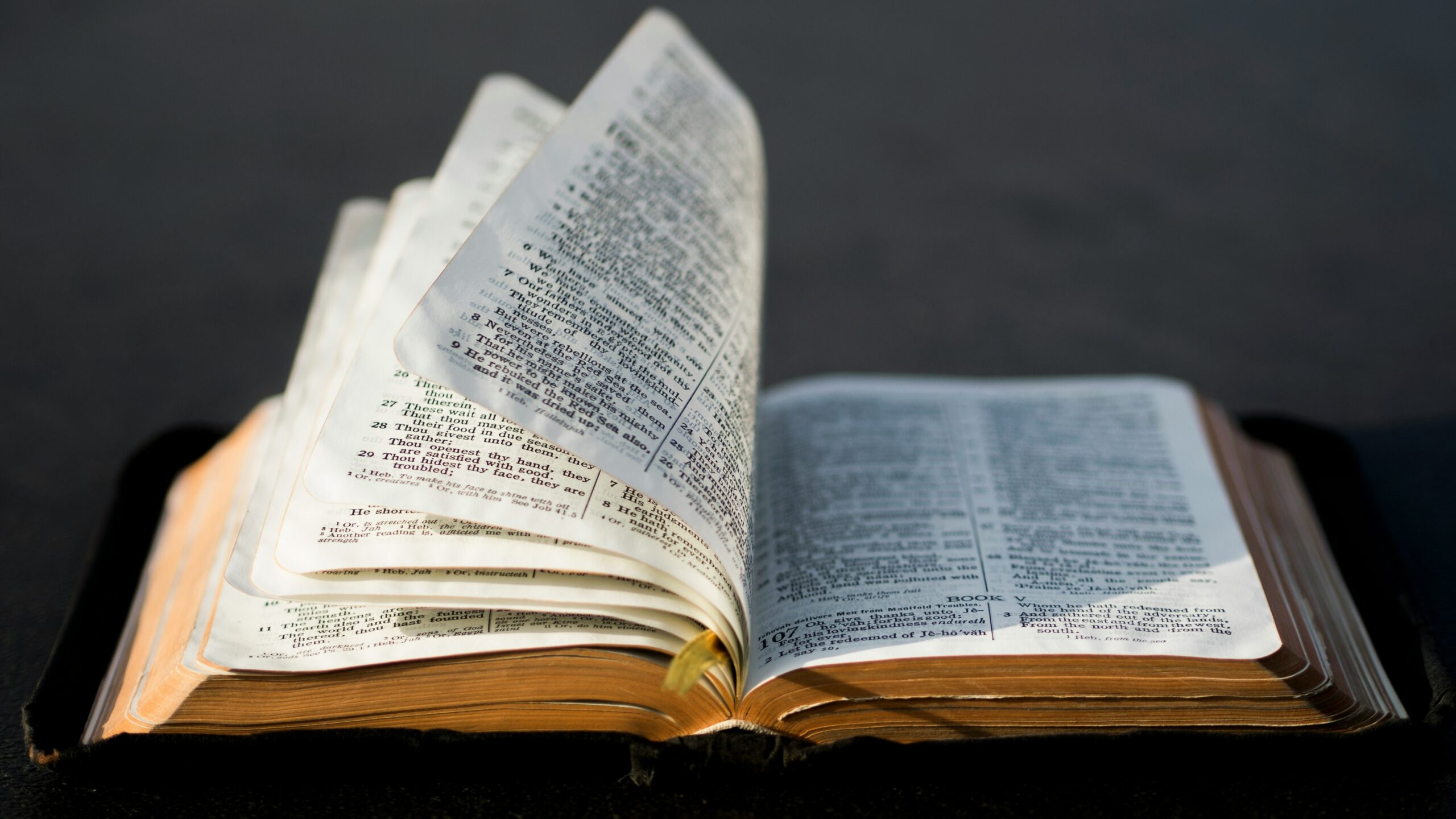
At the centre of the clash is a late amendment that deletes a Criminal Code defence in place since 1970, which shielded individuals from prosecution if they expressed views based on religious texts in good faith.
That protection—long seen as a guardrail separating belief from criminal liability—has now been scrapped.
The government says the law is needed to tackle rising hate and to protect access to places of worship. It creates new offences for intimidation or obstruction outside churches, synagogues, and mosques, and criminalises the public display of certain terror or hate symbols, with penalties of up to ten years in prison.
But critics argue the most consequential change is what the bill removes, not what it adds.
Conservative MPs say eliminating the religious-text defence creates legal uncertainty around where legitimate religious teaching ends and punishable speech begins—particularly on contested moral issues.
Andrew Lawton, who led opposition efforts in committee, dismissed a last-minute government safeguard as inadequate, warning it leaves protections for good-faith religious expression unclear.
An attempt to send the bill back to committee to restore the safeguard was defeated.
The backlash has cut across religious lines.
Christian leaders, Muslim organisations, and Jewish groups have all warned the change risks blurring the line between genuine incitement and lawful expression of belief.
Bishop Pierre Goudreault, president of the Canadian Conference of Catholic Bishops, cautioned that the move could have a “chilling effect on religious expression,” even if prosecutions remain unlikely.
Cardinal Frank Leo, archbishop of Toronto, said the removal of the safeguard introduces uncertainty for clergy and educators seeking to pass on religious teaching.
A coalition of more than 350 Muslim organisations has also raised concerns, while civil liberties advocates warn the law’s wording could be applied broadly depending on how authorities interpret it.
The political battle now shifts to the Senate, where critics say the final opportunity remains to restore the protections before the bill becomes law.