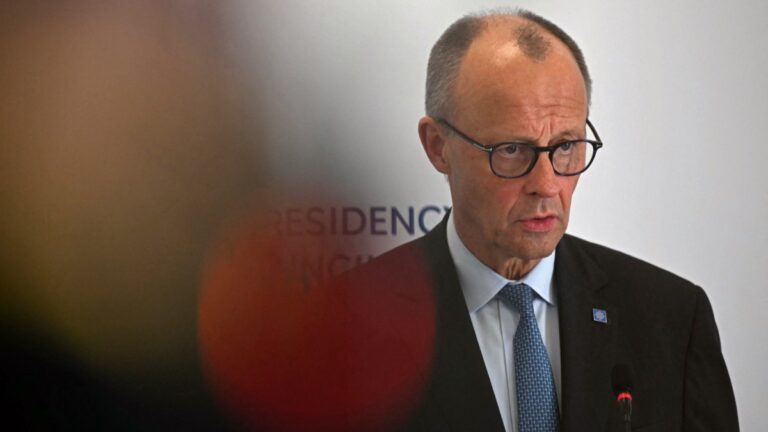
Danish Prime Minister Mette Frederiksen
Jean-Christophe VERHAEGEN / AFP
While eleven EU member states have already accepted wounded evacuees from the Gaza Strip, Denmark has stood firm in rejecting the measure, citing security risks and migration concerns.
According to World Health Organization data from June 11, 223 wounded and 503 companions have been flown into Europe since the start of the war. But Prime Minister Mette Frederiksen has resisted pressure to join the scheme, warning that admitting patients could quickly trigger a wave of family reunification claims. “The issue of family reunification can arise very quickly,” she told Jyllands-Posten on August 15, stressing that her government will not compromise its strict migration policy.
Speaking on TV2, Frederiksen said past experience proved the risks. In 1992, Denmark admitted 321 stateless Palestinians, of whom more than half ended up on welfare and 204 were later convicted, including 67 sentenced to prison. “Too many in this group have had a very serious impact on our society,” she said.
Copenhagen argues that delivering humanitarian aid directly to Gaza is far more effective than bringing a small number of patients into Denmark. Officials also noted that Danish hospitals are not equipped to treat these cases, underlining that the country’s priority must remain the safety and cohesion of its own citizens.