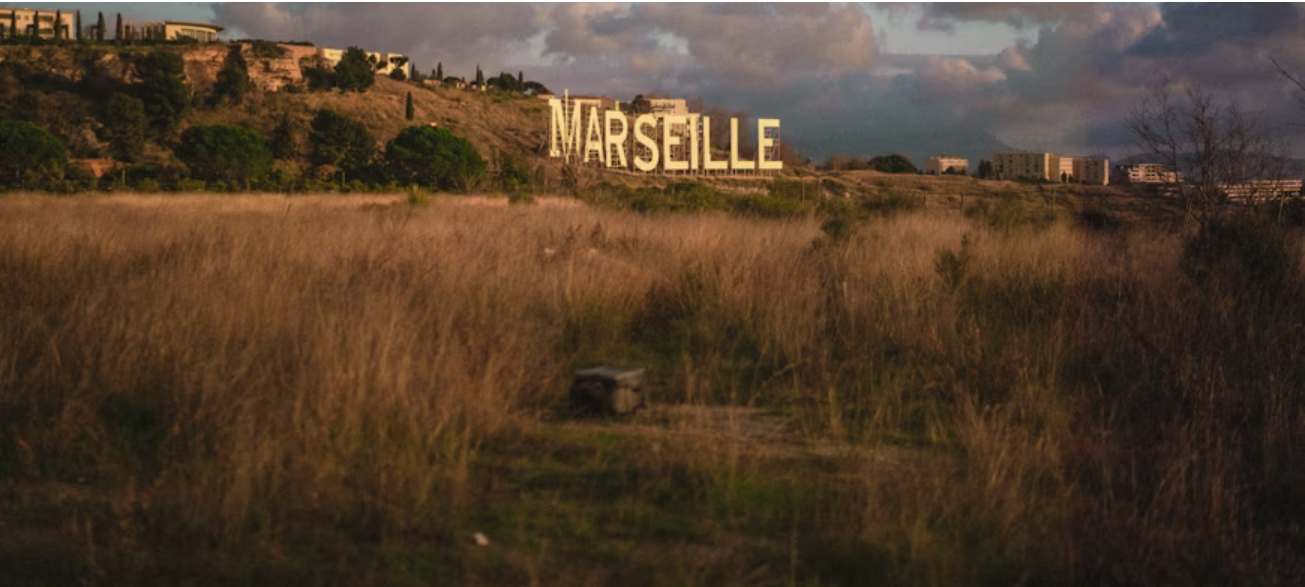
Marseille, France.
Ray Battuta/Unsplash.
On Wednesday, November 19th a prominent French anti-drugs campaigner vowed to continue denouncing the scourge of narcotics crime, even after his younger brother was killed in the southern city of Marseille.
Amine Kessaci is well-known for campaigning in the port city. As Marseille struggles with drug crime, last week’s killing is seen as a warning over the 22-year-old’s activism—which he threw himself into after his half-brother was murdered in a drug-trafficking feud in 2020.
Kessaci’s 20-year-old younger brother Mehdi was killed on November 13th last week, after an unidentified gunman shot him dead in his parked car. The young man had no criminal record and wanted to be a police officer.
“No, I won’t be quiet,” Kessaci wrote in Le Monde newspaper on Wednesday, November 19th, a day after burying Mehdi and in his first public comments since the killing.
Interior Minister Laurent Nunez on Tuesday, November 18th, called the crime a “turning point”, and said President Emmanuel Macron had urged more action to address illegal narcotics in France’s second-largest city. Marseille has been struggling to battle drug crime, with more than a dozen people killed since the start of the year in turf wars and other disputes linked to cocaine and cannabis dealing.
Kessaci vowed to continue his activism:
I will speak of the violence of drug trafficking. Its grip. I will speak of the cowardice of those who order the crimes…. I will speak of the shortcomings of the state, the flaws of the republic, the abandoned territories, and the obliterated populations.
Kessaci became an advocate for the families of victims of drug crime—as well as one demanding more opportunities for youth in Marseille’s impoverished northern districts—when his older sibling Brahim was killed in 2020 after falling into drug dealing.
“Faced with such an enemy, the state must grasp the gravity of the situation,” the law student and Greens party member wrote:
It’s time to take action, for instance by bringing public services back to neighbourhoods, combating school failure that provides traffickers with a submissive workforce, equipping investigators and police forces with the resources they need, and genuinely supporting the families of victims of drug trafficking.