

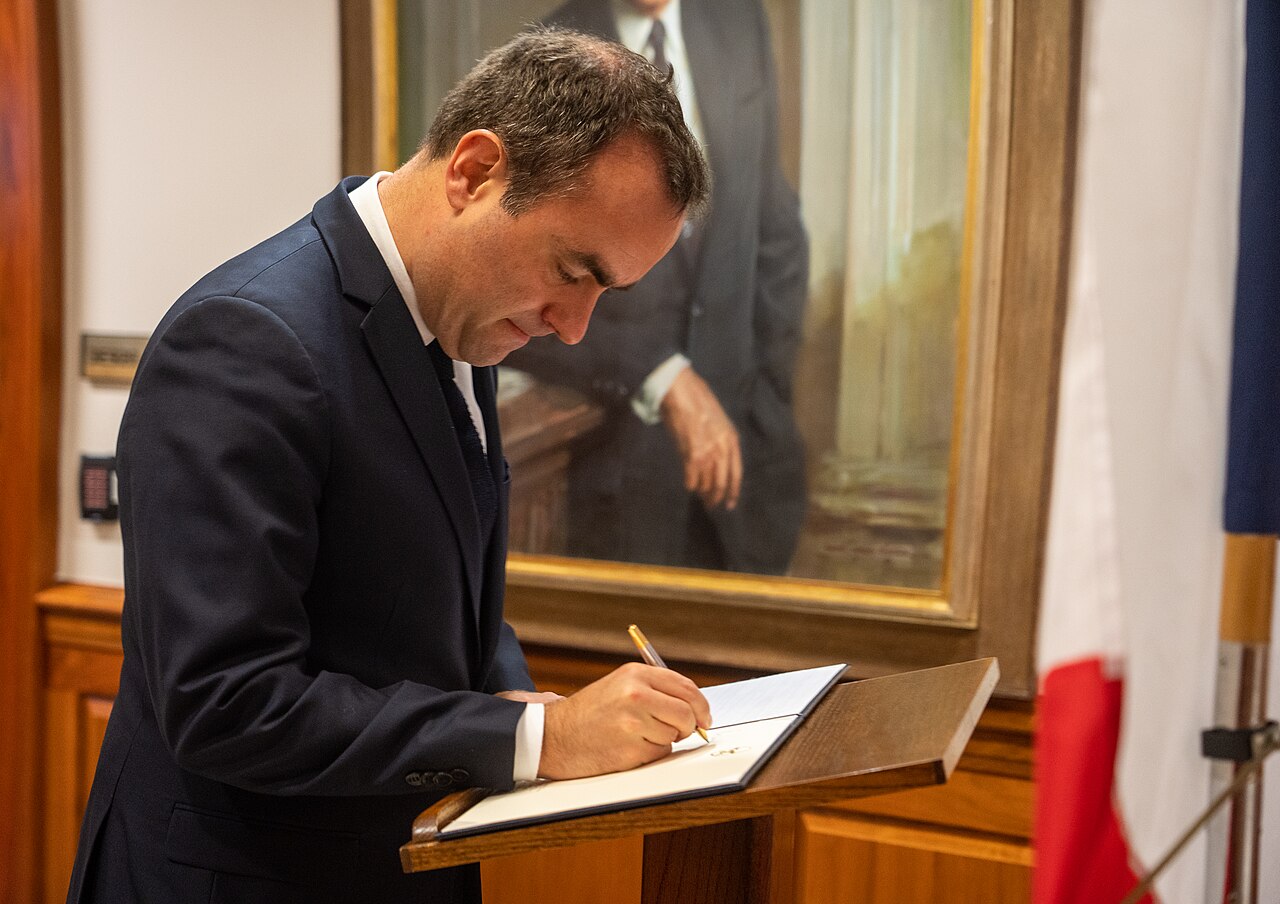
French prime minister Sébastien Lecornu has forced the 2026 state budget through parliament for the third and final time without holding a vote, invoking Article 49.3 of the French Constitution.
This provision allows the government to bypass parliamentary approval, placing full responsibility for the bill on the executive. Lecornu attempted to justify the move by stating
France must have a budget. And so, before this chamber, I am committing the government’s responsibility for the entire Finance Bill for 2026.
The decision has immediately drawn criticism from opposition parties, with several promising no-confidence motions against the government. Should Lecornu survive these challenges, the budget is expected to be adopted on Monday, February 2nd.
The budget has drawn criticism from across the political spectrum. Rassemblement National MP Sébastien Chenu accused Lecornu of misleading the public and wasting time, saying, “We knew all this from the start.” On the Left, La France Insoumise condemned the budget as an “austerity plan.”
Among Les Républicains, former minister Bruno Retailleau criticized the proposals, arguing that
The budget proposed by the government includes all the socialist ingredients that led to France’s decline: more spending and more taxes that weigh down and discourage those who produce. The result is well known: more debt, fewer jobs and the purchasing power of the French people continuing to decline.
However, his party stopped short of supporting any no-confidence measures.
The move comes after months of political deadlock following President Emmanuel Macron’s snap election in 2024, which left the government without a parliamentary majority.




.jpg)