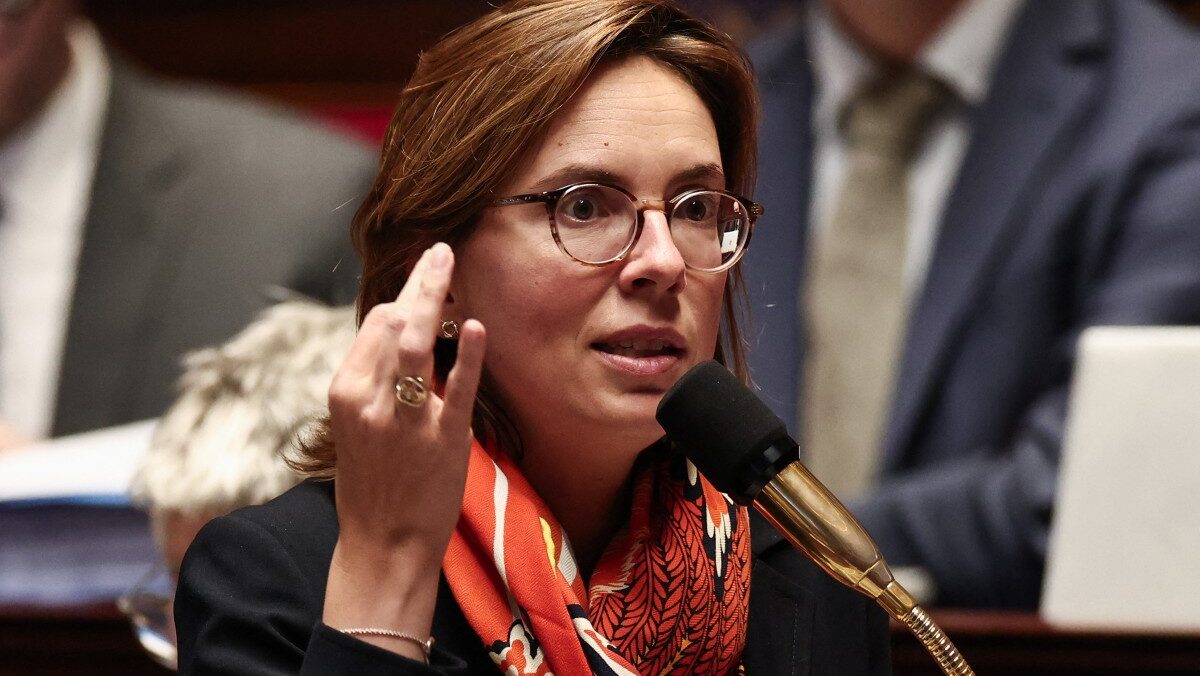
France’s Public Accounts Minister Amélie de Montchalin speaks during the debate and review of the 2026 State Budget at the French National Assembly.
Thibaud MORITZ / AFP
The ongoing debate over France’s budget continued on Friday, when the National Assembly voted down a proposal for a 2% tax on assets exceeding €100 million, known as the Zucman tax after its economist proponent, Gabriel Zucman. The measure, supported by an alliance of left-wing parties, aimed to target around 1,800 wealthy households and would, Zucman has said, generate €15-20 billion annually. Center- and right-wing lawmakers united in opposition, citing concerns about capital flight, job losses, and economic harm, while the government warned the tax would be unconstitutional. A milder ‘Zucman-light’ variant from the Socialists, proposing a 3% levy on assets over €10 million, with exemptions for family and “innovative” firms, also failed to pass.
The vote escalates political tensions as France races to approve its 2026 budget by year-end, with the deficit projected to hit 6% of GDP amid post-pandemic recovery strains. Prime Minister Sébastien Lecornu faces mounting pressure, as he lacks a parliamentary majority and is reliant on Socialist support to pass the budget.
If the minority government excludes wealth redistribution measures, left-wing deputies have threatened to topple it. To pacify furious lawmakers on the Left, Lecornu offered concessions like abandoning planned freezes on pensions and welfare benefits, which would otherwise fail to adjust for inflation. Lawmakers did approve a compromise: a 2% tax on non-operational assets held in holding companies, expected to raise up to €1 billion.
Zucman, a 39-year-old Berkeley professor, decried the vote as a “missed opportunity for fiscal justice.” Critics, including budget minister Amélie de Montchalin, argued it would drive wealthy taxpayers abroad and undermine business competitiveness. With Senate review pending, further amendments could reshape the budget, but analysts warn of prolonged gridlock.