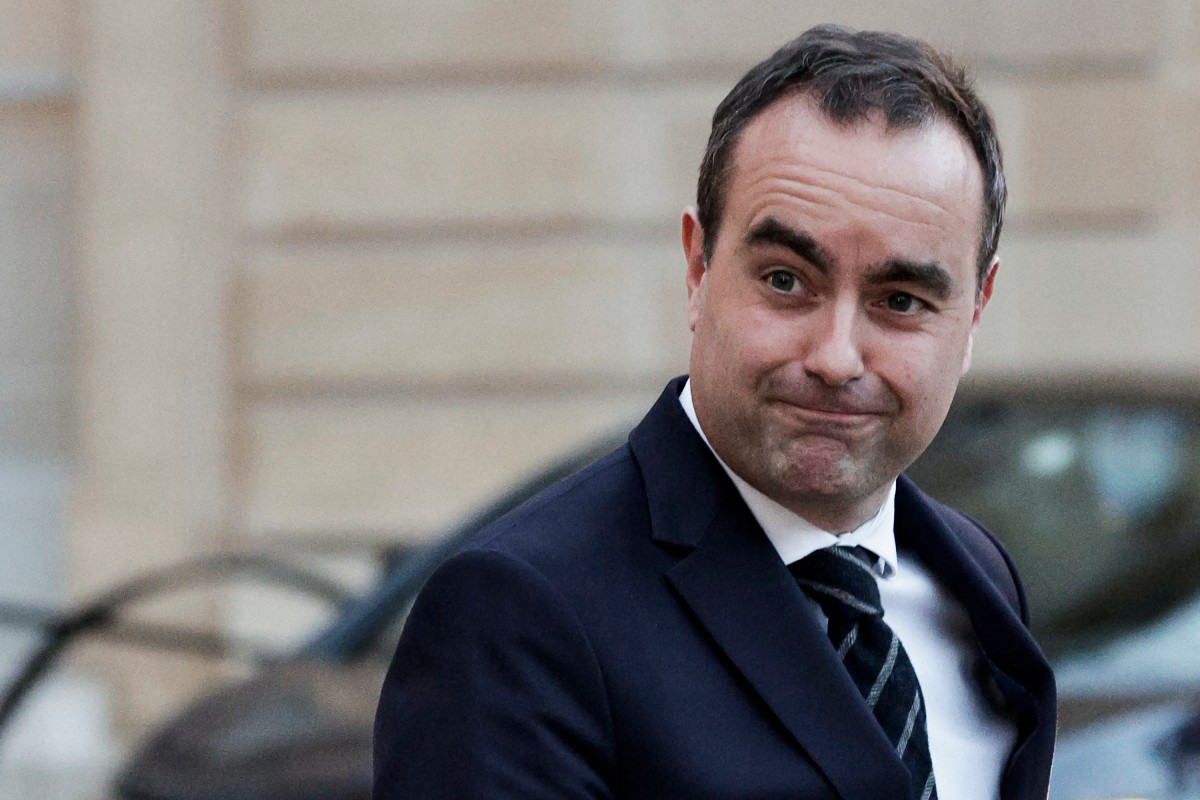
France’s Prime Minister Sébastien Lecornu leaves after the cabinet meeting in Paris on January 19, 2026.
STEPHANE DE SAKUTIN / AFP
France adopted its 2026 government budget on Monday, February 2nd bringing an end to weeks of parliamentary stalemate after Prime Minister Sébastien Lecornu survived the latest in a series of no-confidence motions.
Lawmakers rejected two no-confidence motions after Lecornu last week forced the budget through parliament without a vote for the third and final time, using the constitutional mechanism known as Article 49.3.
The motions failed to secure the 289 votes required to topple the government, clearing the way for the budget’s final approval after nearly four months of negotiations over public spending.
Following the vote, Lecornu said the outcome demonstrated a “parliamentary compromise” that would rein in public spending while avoiding tax increases for households and businesses. He took to social media, writing
France finally has a budget.
The prolonged stalemate had prompted the prime minister to reverse his earlier pledge not to rely on Article 49.3, a move he later described as a “partial failure.” His decision sparked renewed opposition from both ends of the political spectrum, but the government ultimately survived after making concessions to secure support from the Socialist Party—a key swing group in parliament.
The latest votes marked the third time Lecornu’s government has withstood no-confidence challenges linked to the budget process.